TSMC N2 Capacity Booked to Mid-2027
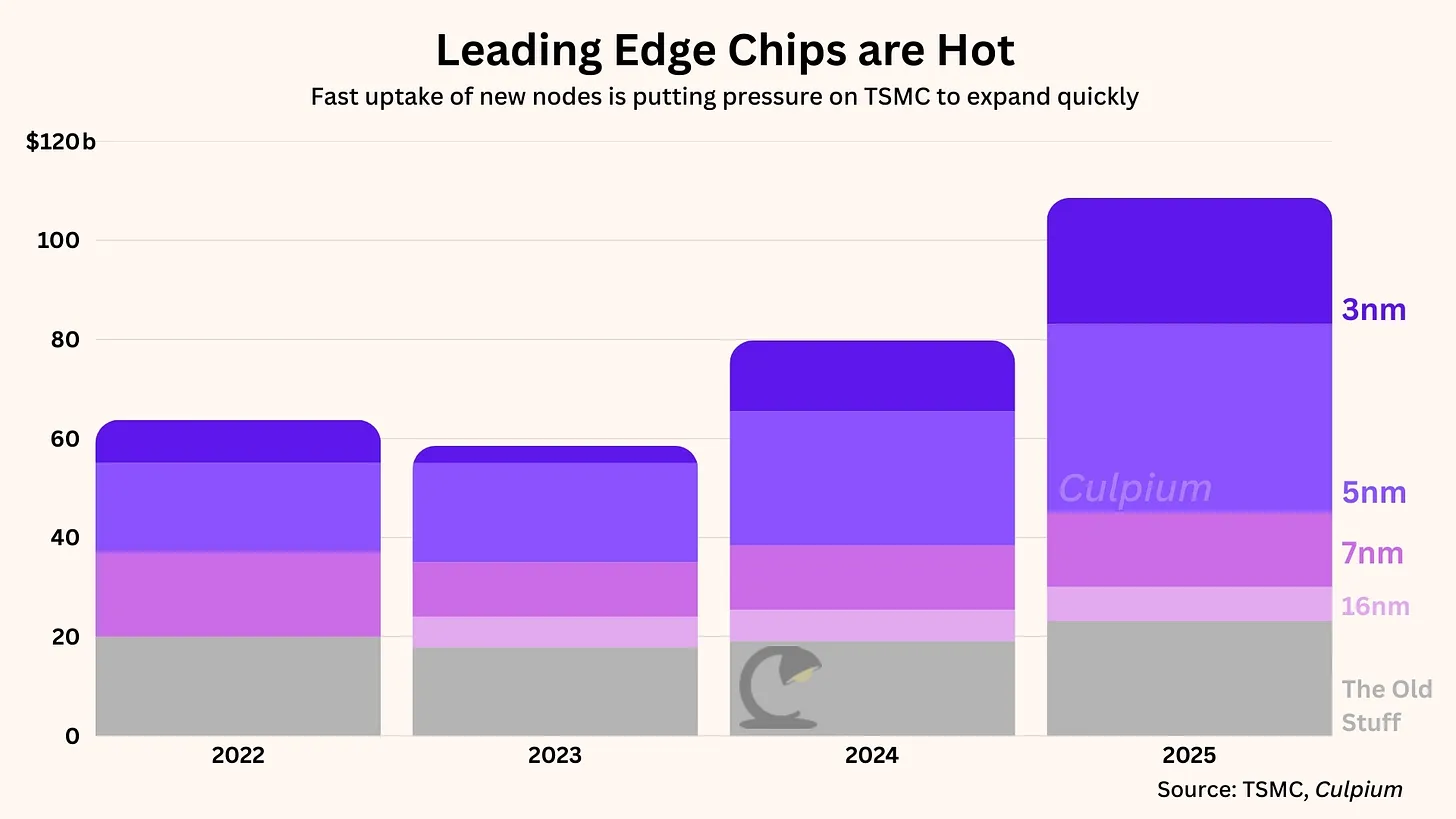
💡TSMC N2 sold out to 2027—critical warning for AI hardware supply chain planning
⚡ 30-Second TL;DR
What Changed
N2 capacity for next two years almost completely sold out
Why It Matters
AI chipmakers like Nvidia face tighter supply for next-gen accelerators, potentially delaying product roadmaps. This strengthens TSMC's pricing power amid surging AI demand.
What To Do Next
Contact TSMC sales immediately to reserve N2 slots for your 2026 AI chip tape-out.
Key Points
- •N2 capacity for next two years almost completely sold out
- •Customers required to commit orders through Q2 2027
- •Allocation lock-in extended to maximum six quarters
🧠 Deep Insight
Background and context from public sources — not the original article. 4 sources cited.
🔑 Enhanced Key Takeaways
- •TSMC's N2 capacity is fully booked with Apple reportedly controlling more than half of production through 2026, with separate dedicated facilities at Baoshan (Apple) and Kaohsiung (non-Apple customers) to manage demand segregation[4].
- •TSMC committed a historic $56 billion capex budget for 2026 (70-80% allocated to N2 and A16 ramp-up), with volume production of the advanced N2P variant scheduled for H2 2026 to address sustained AI demand[1][3].
- •CoWoS advanced packaging capacity remained a critical bottleneck through late 2025, with most 2026 allocations sold out, potentially forcing hyperscalers toward custom in-house silicon designs if TSMC cannot meet demand despite massive investment[3].
🛠️ Technical Deep Dive
- •N2 process represents TSMC's 2-nanometer node family with planned extensions including N2P, which delivers further performance and power efficiency gains over base N2[1].
- •A16 ultra-advanced process node is scheduled for initial rollout alongside N2 ramp-up, with A16 volume production targeted for H2 2026[3].
- •N2, N2P, A16, and derivatives are positioned as another large, long-lasting node comparable to previous generation success, supporting both smartphone AI and HPC (high-performance computing) applications[1].
- •TSMC is expanding Arizona capacity to create an independent gigafab cluster supporting leading-edge customers, with plans to secure additional land near existing Arizona site[1].
🔮 Future ImplicationsAI analysis grounded in cited sources
⏳ Timeline
📎 Sources (4)
Factual claims are grounded in the sources below. Forward-looking analysis is AI-generated interpretation.
- techsoda.substack.com — TSMC Expresses Conservative Optimism
- en.eeworld.com.cn — Eic716007
- markets.chroniclejournal.com — Marketminute 2026 2 26 the 56 Billion Bet TSMC Signals Infinite AI Demand with Historic 2026 Capex Boost
- semiwiki.com — Apple Reportedly Controls More Than Half of Tsmcs 2nm Production Capacity Depriving Rivals of Cutting Edge Technology
Weekly AI Recap
Read this week's curated digest of top AI events →
👉Related Updates


AI-curated news aggregator. All content rights belong to original publishers.
Original source: cnBeta (Full RSS) ↗
This is a summary, not the original. Read the source, or get the weekly briefing.
Weekly AI briefing
One email a week. Unsubscribe anytime.