TotalRecall Tool Breaches Recall Database
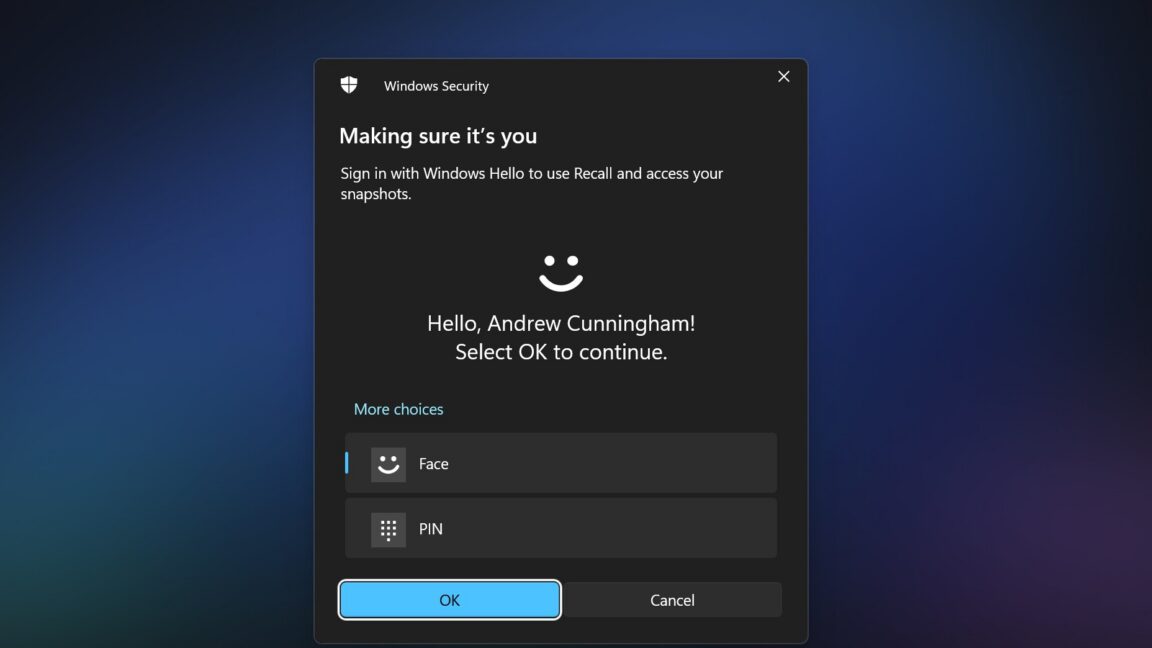
💡Security flaw in Windows AI Recall exposes dev screen history to easy tools
⚡ 30-Second TL;DR
What Changed
TotalRecall Reloaded exploits delivery truck vulnerability in Recall
Why It Matters
Highlights privacy risks in on-device AI features storing user activity data. Microsoft users, especially developers, should review Recall security. May prompt patches affecting AI workflow tools on Windows.
What To Do Next
Download TotalRecall Reloaded to test and secure your Windows Recall database exposure.
Key Points
- •TotalRecall Reloaded exploits delivery truck vulnerability in Recall
- •Windows Recall database vault remains secure
- •Tool accesses AI-powered screen snapshot history
- •Reported by Ars Technica as a backdoor entrance
🧠 Deep Insight
AI-generated analysis for this event — not the original article.
🔑 Enhanced Key Takeaways
- •The TotalRecall tool specifically targets the unencrypted SQLite database files generated by the Windows Recall feature, which are stored in the user's local AppData directory.
- •Security researchers identified that while the 'vault' (the encrypted storage layer) is robust, the tool leverages a lack of proper access control lists (ACLs) on the temporary staging folders where snapshots are processed before encryption.
- •Microsoft has acknowledged the vulnerability, noting that the issue stems from the 'delivery mechanism'—specifically, the process that moves raw screen data from the capture service to the encrypted database—rather than a flaw in the encryption algorithm itself.
🛠️ Technical Deep Dive
- •The vulnerability exploits the 'Recall Data Staging' directory, which temporarily holds raw .png or .bmp snapshots before they are processed by the Windows AI engine.
- •TotalRecall Reloaded utilizes a file-system watcher to intercept these files during the brief window between capture and vault ingestion.
- •The tool bypasses the need for decryption keys by accessing the data in its pre-encrypted state, effectively performing a 'man-in-the-middle' attack on the local file system.
- •The exploit relies on the fact that the staging directory inherits the permissions of the user profile, allowing any process running with user-level privileges to read the files.
🔮 Future ImplicationsAI analysis grounded in cited sources
⏳ Timeline
📰 Event Coverage
Weekly AI Recap
Read this week's curated digest of top AI events →
👉Related Updates
AI-curated news aggregator. All content rights belong to original publishers.
Original source: Ars Technica ↗
This is a summary, not the original. Read the source, or get the weekly briefing.
The weekly digest
One email a week. Unsubscribe anytime.