Tom Hanks warns of AI replacing actors in film
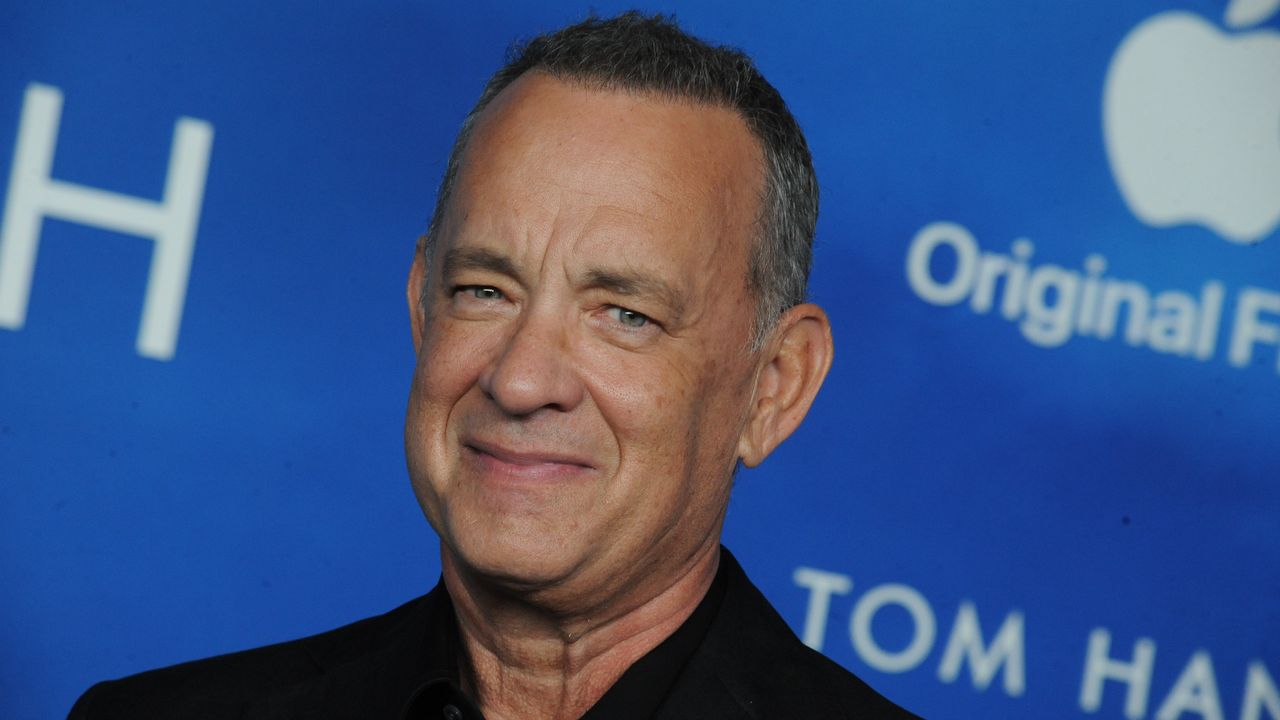
Understand the growing ethical and legal friction between Hollywood talent and generative AI adoption.
30-Second TL;DR
What Changed
Tom Hanks identifies AI-driven digital replication as a scary prospect for the acting profession.
Why It Matters
This sentiment reflects a broader industry pushback that may lead to stricter contractual protections and legal frameworks regarding digital likeness rights for creators.
What To Do Next
If you are building media-generation tools, implement robust watermarking and consent-based authentication protocols to address ethical concerns.
Key Points
- •Tom Hanks identifies AI-driven digital replication as a scary prospect for the acting profession.
- •The statement underscores the ethical and professional challenges AI poses to creative industries.
- •Hollywood is currently navigating the balance between technological innovation and the protection of human performance rights.
Deep Insight
AI-generated analysis for this event — not the original article.
Enhanced Key Takeaways
- •Tom Hanks' concerns were specifically highlighted during his appearance on 'The Adam Buxton Podcast' in 2023, where he noted that he could theoretically continue acting in films long after his death due to AI replication.
- •The 2023 SAG-AFTRA strike was heavily influenced by these fears, leading to the implementation of 'digital replica' protections in the final contract agreement.
- •Legal frameworks such as the NO FAKES Act have been introduced in the U.S. Congress to establish federal property rights in one's voice and likeness, directly addressing the concerns raised by actors like Hanks.
- •Major studios have begun integrating 'Digital Replica' clauses into standard talent contracts, requiring explicit consent and compensation for the creation and use of AI-generated performances.
- •The technology behind these replications often involves NeRFs (Neural Radiance Fields) and high-fidelity facial motion capture, which allow for the synthesis of performances that are increasingly difficult to distinguish from real footage.
Technical Deep Dive
- Neural Radiance Fields (NeRFs) are frequently utilized to create 3D representations of actors from 2D video inputs, enabling photorealistic relighting and re-posing.
- Generative Adversarial Networks (GANs) and Diffusion Models are employed to synthesize facial expressions and lip-syncing (dubbing) to match new audio inputs.
- Latent Space Manipulation allows AI models to adjust specific performance attributes, such as emotion or age, without requiring new physical takes from the actor.
- High-fidelity motion capture data is often combined with deepfake-style face-swapping algorithms to map an actor's likeness onto a body double's performance.
Future ImplicationsAI analysis grounded in cited sources
Timeline
- 2022-11Tom Hanks appears in 'A Man Called Otto', utilizing AI-driven de-aging technology.
- 2023-05Tom Hanks publicly warns about the potential for AI to replicate his likeness indefinitely on 'The Adam Buxton Podcast'.
- 2023-07SAG-AFTRA initiates a strike, with AI protections for actors becoming a central negotiation pillar.
- 2023-12SAG-AFTRA ratifies a new contract providing unprecedented protections against unauthorized AI digital replicas.
- 2024-07The NO FAKES Act is introduced in the U.S. Senate to protect individuals' voice and likeness rights from unauthorized AI generation.
Weekly AI Recap
Read this week's curated digest of top AI events →
AI-curated news aggregator. All content rights belong to original publishers.
Original source: TechRadar AI ↗
This is a summary, not the original. Read the source, or get the weekly briefing.
The weekly digest
One email a week. Unsubscribe anytime.