Token Costs Spark DeepSeek Nostalgia
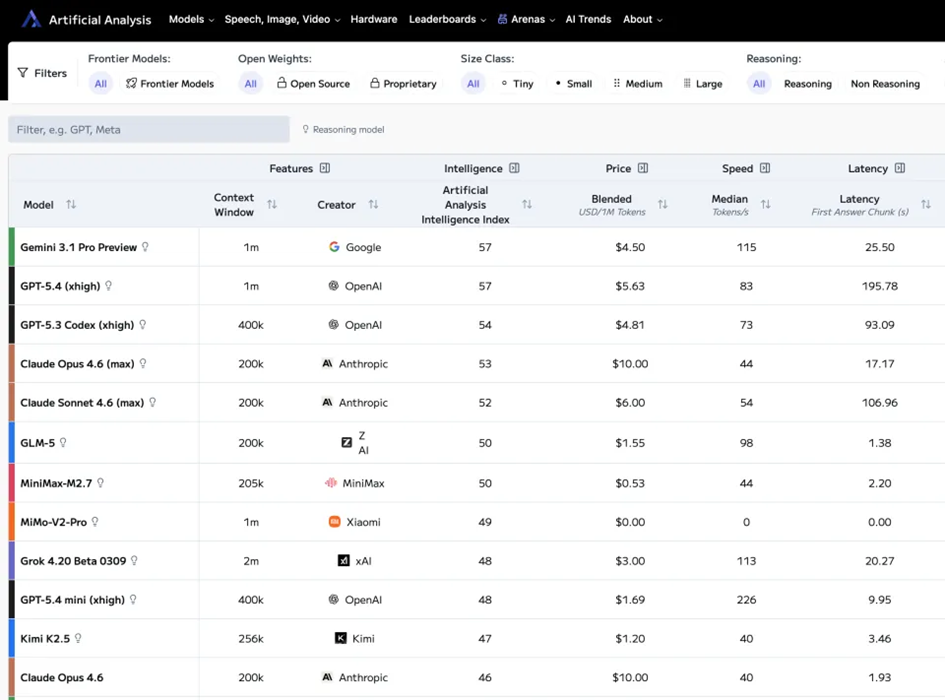
💡Token economics exploding: storage crisis + Agent burn rates demand optimizations now
⚡ 30-Second TL;DR
What Changed
OpenClaw tasks burn millions of tokens routinely, e.g., $80 for 'hello'
Why It Matters
High token costs filter out consumer users, favoring enterprises; past China price wars show optimization paths. Storage hikes pressure cloud providers, slowing AI democratization.
What To Do Next
Optimize your LLM inference MFU above 50% using custom operators for token savings.
Key Points
- •OpenClaw tasks burn millions of tokens routinely, e.g., $80 for 'hello'
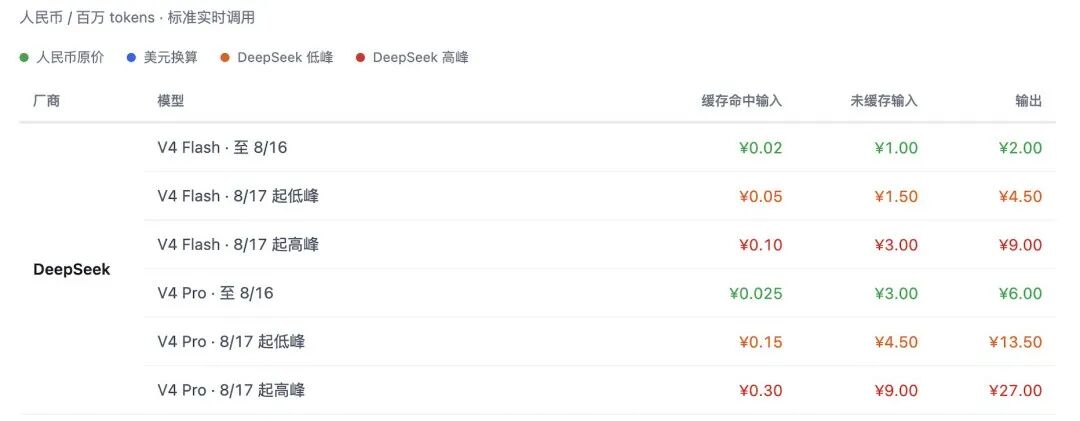
- •DeepSeek-V2 priced input at 1 RMB/M tokens, sparking 2024 price war
- •HBM/DRAM prices up 50-150% in Q1 2026, delaying token cost relief
- •MFU optimization lifts from 30% to 50%, halving inference costs
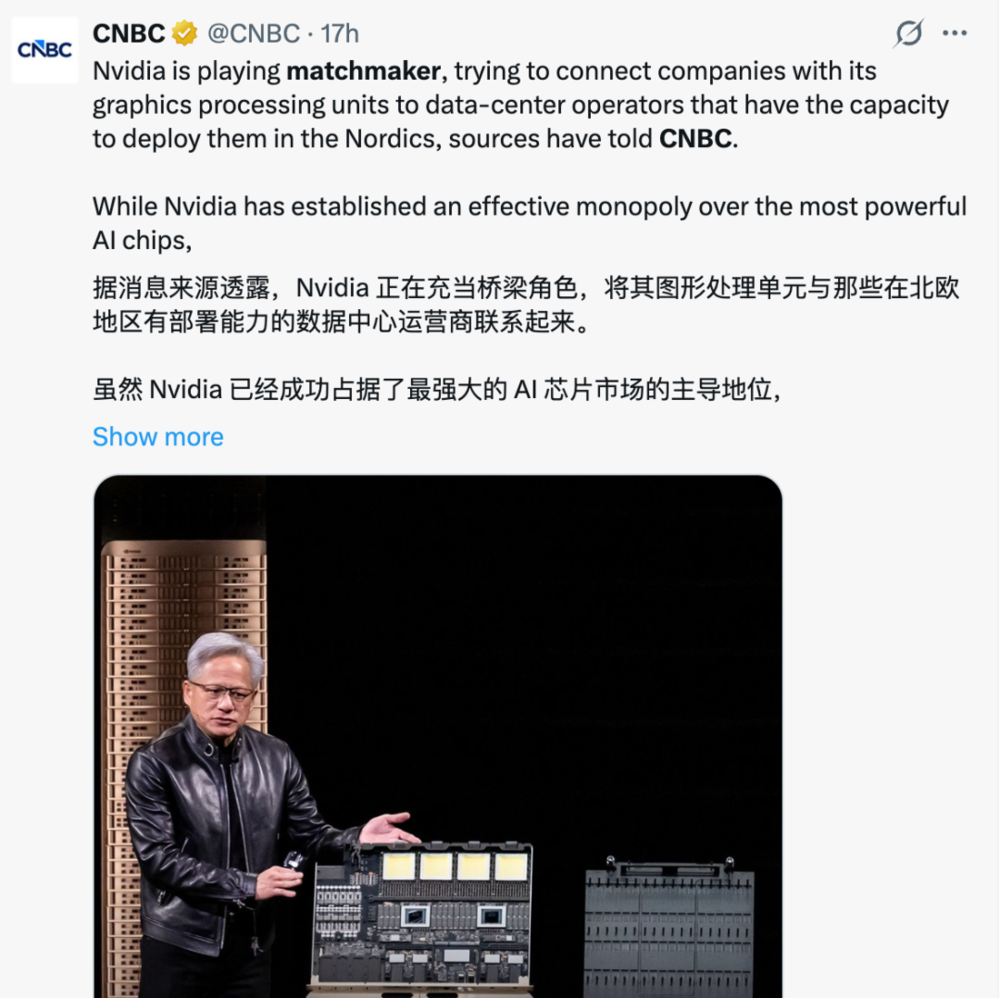
- •Nvidia pushes token usage in engineer incentives amid anxiety
🧠 Deep Insight
AI-generated analysis for this event — not the original article.
🔑 Enhanced Key Takeaways
- •The surge in token consumption for Agentic workflows is driven by 'Chain-of-Thought' (CoT) overhead, where autonomous agents generate extensive internal reasoning steps that are billed as input/output tokens, inflating costs beyond simple query-response models.
- •Major cloud providers have shifted from pure compute-per-hour billing to 'Token-as-a-Service' (TaaS) models, which allows them to mask hardware depreciation costs behind opaque token pricing tiers that fluctuate based on real-time GPU cluster utilization.
- •The industry is seeing a pivot toward 'Distillation-as-a-Service,' where enterprises are fine-tuning smaller, task-specific models on the outputs of massive frontier models to bypass the high token costs associated with general-purpose Agentic frameworks.
📊 Competitor Analysis▸ Show
| Feature | DeepSeek-V2 (Historical) | OpenClaw (Agentic) | GPT-4o (Standard) |
|---|---|---|---|
| Pricing Model | Low-cost commodity | High-volume Agentic | Premium Tiered |
| Primary Use Case | General Inference | Autonomous Tasking | Multimodal Chat |
| Token Efficiency | High (MoE optimized) | Low (High CoT overhead) | Moderate |
| Market Positioning | Price Disruptor | Workflow Automation | Enterprise Standard |
🛠️ Technical Deep Dive
- •DeepSeek-V2 utilizes a Multi-head Latent Attention (MLA) architecture, which significantly reduces the KV cache memory footprint compared to standard Multi-Head Attention (MHA).
- •The MFU (Model Flops Utilization) improvements mentioned are achieved through kernel-level optimizations in the inference engine, specifically targeting FP8 quantization and custom CUDA kernels for MoE (Mixture-of-Experts) routing.
- •Agentic token inflation is exacerbated by 'Recursive Prompting,' where the agent framework automatically injects the entire conversation history and tool-use logs into the context window for every sub-step of a task.
🔮 Future ImplicationsAI analysis grounded in cited sources
⏳ Timeline
Weekly AI Recap
Read this week's curated digest of top AI events →
👉Related Updates

AI-curated news aggregator. All content rights belong to original publishers.
Original source: 虎嗅 ↗
This is a summary, not the original. Read the source, or get the weekly briefing.
Weekly AI briefing
One email a week. Unsubscribe anytime.