TISI Faces the FDE Challenge
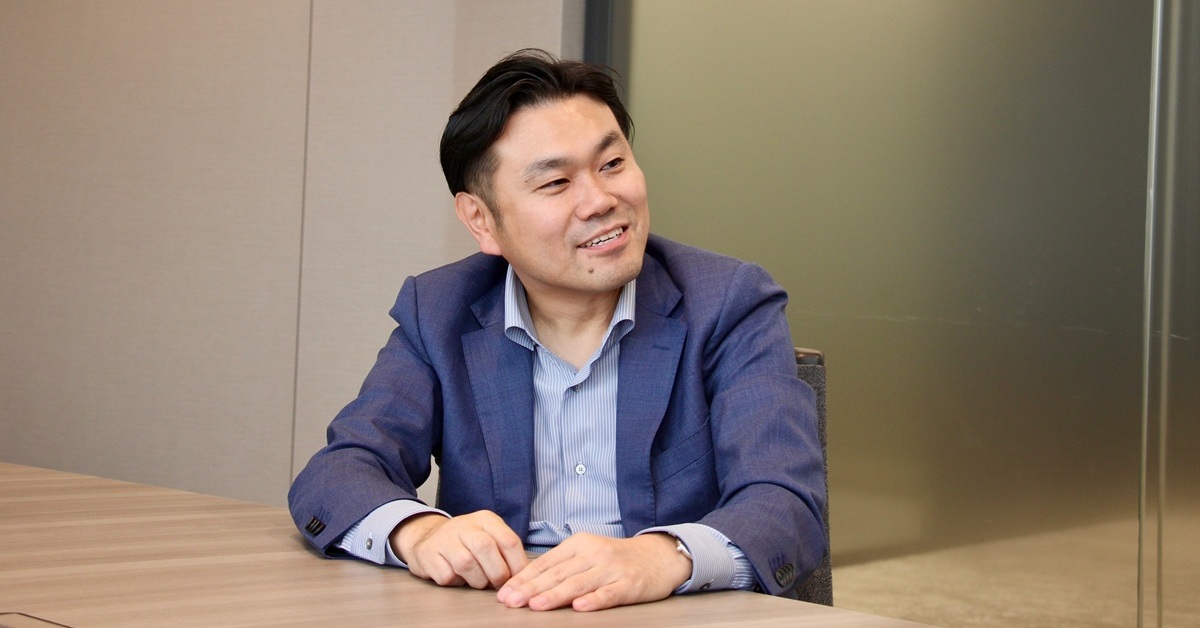
💡AI is erasing SIer boundaries—see how TISI plans to compete with FDE-driven vendors.
⚡ 30-Second TL;DR
What Changed
AI is weakening the traditional separation between system development roles and vendor categories.
Why It Matters
The shift could pressure traditional SIers to compete not only on implementation capacity but also on AI productization and end-to-end delivery. Enterprise buyers may gain more vendor options, but will need to evaluate domain expertise, integration capability, and long-term support.
What To Do Next
Map your current AI delivery process from prototype to production and identify one integration or support gap that an FDE-style team must close.
Key Points
- •AI is weakening the traditional separation between system development roles and vendor categories.
- •Foreign AI vendors are entering Japan while promoting an FDE-based delivery model.
- •TISI is using the TIS–Intec merger as a foundation to redefine its competitive strengths.
🧠 Deep Insight
AI-generated analysis for this event.
🔑 Enhanced Key Takeaways
- •FDE (Full-stack Development/Delivery Engineering) in the Japanese SIer context refers to a shift away from traditional 'waterfall' subcontracting toward integrated, AI-driven end-to-end service delivery.
- •The TIS-Intec merger (TISI) is part of a broader consolidation trend among Japanese Tier-1 SIers aiming to achieve the scale necessary to compete with global hyperscalers and AI-native consultancies.
- •Japanese enterprises are increasingly adopting 'AI-first' procurement, bypassing traditional SIer bidding processes in favor of vendors who can demonstrate immediate ROI through pre-trained vertical AI models.
- •TISI is specifically investing in proprietary 'AI-integrated development platforms' to automate code generation and testing, attempting to neutralize the cost advantage of foreign AI-native vendors.
- •The Japanese Ministry of Economy, Trade and Industry (METI) has been actively encouraging the digital transformation of domestic SIers to prevent a 'hollowing out' of the domestic IT labor market due to foreign AI dominance.
📊 Competitor Analysis▸ Show
| Feature | TISI (TIS-Intec) | Foreign AI-Native Vendors | Traditional Japanese SIers |
|---|---|---|---|
| Delivery Model | Hybrid (Legacy + AI) | FDE / AI-First | Waterfall / Subcontracting |
| Pricing | Value-based / Retainer | Subscription / Outcome-based | Man-month / Time & Material |
| AI Integration | Proprietary Platforms | API-first / LLM-centric | Limited / Third-party tools |
🛠️ Technical Deep Dive
- TISI's strategy involves the deployment of internal AI-augmented software development lifecycles (SDLC) that utilize fine-tuned LLMs for legacy code modernization (COBOL to Java/Cloud-native).
- Implementation of 'AI-Ops' frameworks designed to manage multi-cloud environments, reducing the manual overhead typically associated with Japanese enterprise system maintenance.
- Utilization of RAG (Retrieval-Augmented Generation) architectures to integrate proprietary enterprise data with public AI models, ensuring data sovereignty and security compliance for Japanese clients.
🔮 Future ImplicationsAI analysis grounded in cited sources
⏳ Timeline
Weekly AI Recap
Read this week's curated digest of top AI events →
👉Related Updates

AI-curated news aggregator. All content rights belong to original publishers.
Original source: ITmedia AI+ (日本) ↗