🐯虎嗅•Freshcollected in 18m
The Rise of 'Internet Experts' Criticizing AI and Math
💡Understand the psychological patterns of online criticism that often target AI researchers and technical experts.
⚡ 30-Second TL;DR
What Changed
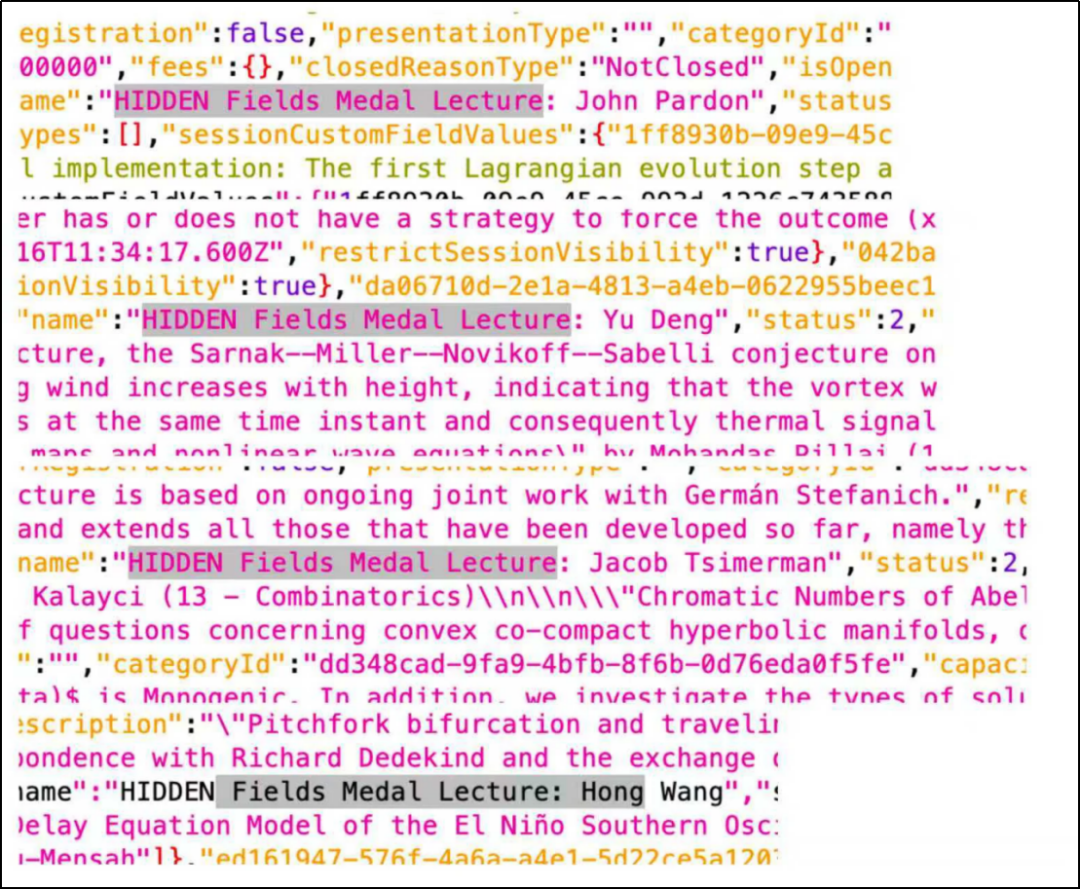
Anonymous users frequently attack high-level mathematicians and athletes with unfounded criticism.
Why It Matters
Understanding this social dynamic is crucial for AI community managers and researchers who face increasing public scrutiny and misinformation.
What To Do Next
Ignore aggressive, non-constructive feedback on social media; focus on technical peer reviews and community-driven benchmarks.
Who should care:Founders & Product Leaders
Key Points
- •Anonymous users frequently attack high-level mathematicians and athletes with unfounded criticism.
- •The behavior reflects a lack of foundational knowledge masked by aggressive 'expert' posturing.
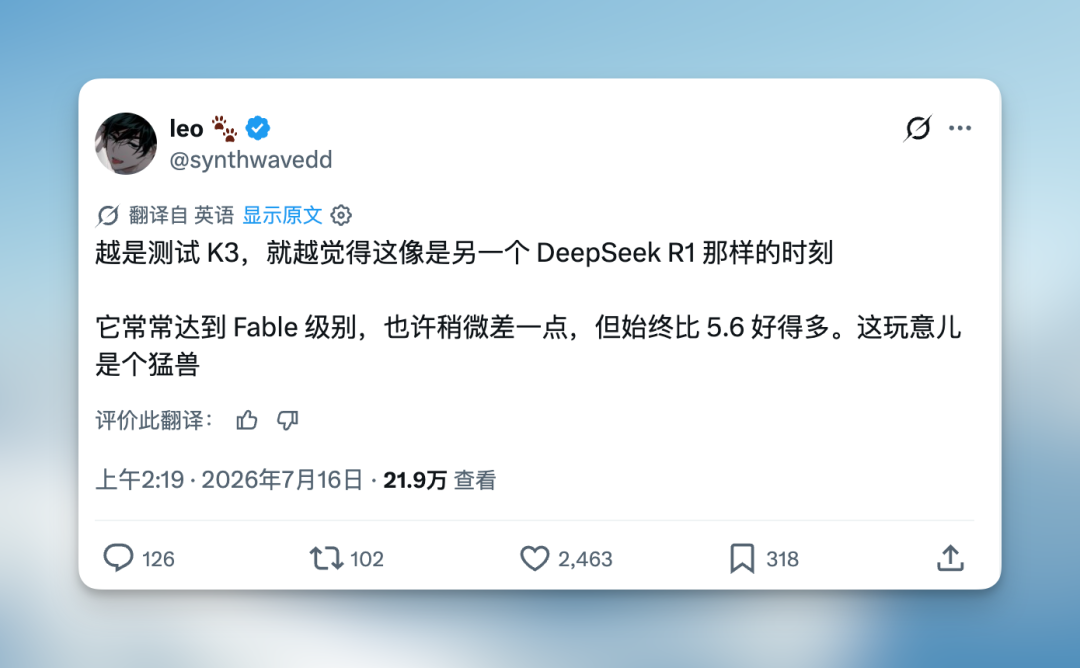
- •This trend extends to AI-related discussions, where users dismiss complex technical achievements.
- •The article draws parallels to the movie 'Good Will Hunting' to explain the psychological roots of such behavior.
🧠 Deep Insight
AI-generated analysis for this event.
🔑 Enhanced Key Takeaways
- •The phenomenon is increasingly linked to 'algorithmic amplification,' where social media recommendation engines prioritize high-conflict, aggressive commentary over nuanced expert discourse to maximize user engagement.
- •Psychological studies cited in recent discourse suggest that the 'online disinhibition effect' significantly lowers the barrier for non-experts to challenge established authorities, as the lack of physical presence removes social accountability.
- •In the context of AI, this behavior has manifested as 'AI skepticism bias,' where users with limited technical literacy utilize LLM-generated arguments to challenge the validity of peer-reviewed research or architectural breakthroughs.
- •Data from social sentiment analysis indicates that 'expert-bashing' is often a form of performative identity signaling, where users gain social capital within specific online echo chambers by devaluing institutional knowledge.
- •The trend has prompted some academic and professional institutions to implement 'verified expert' badges and restricted comment sections to mitigate the impact of mass-scale, low-information criticism on public discourse.
🔮 Future ImplicationsAI analysis grounded in cited sources
Platform-level 'Expert Verification' protocols will become standard by 2027.
Rising misinformation and aggressive anti-intellectualism are forcing major social platforms to prioritize verified credentials to maintain advertiser trust and user retention.
AI-driven sentiment filtering will be deployed to suppress 'Dunning-Kruger' style harassment.
Platforms are increasingly utilizing LLM-based moderation tools to identify and deprioritize comments that exhibit high-confidence, low-accuracy patterns characteristic of non-expert aggressive posturing.
📰
Weekly AI Recap
Read this week's curated digest of top AI events →
👉Related Updates

AI-curated news aggregator. All content rights belong to original publishers.
Original source: 虎嗅 ↗