The rise of Token Factories in the capital market
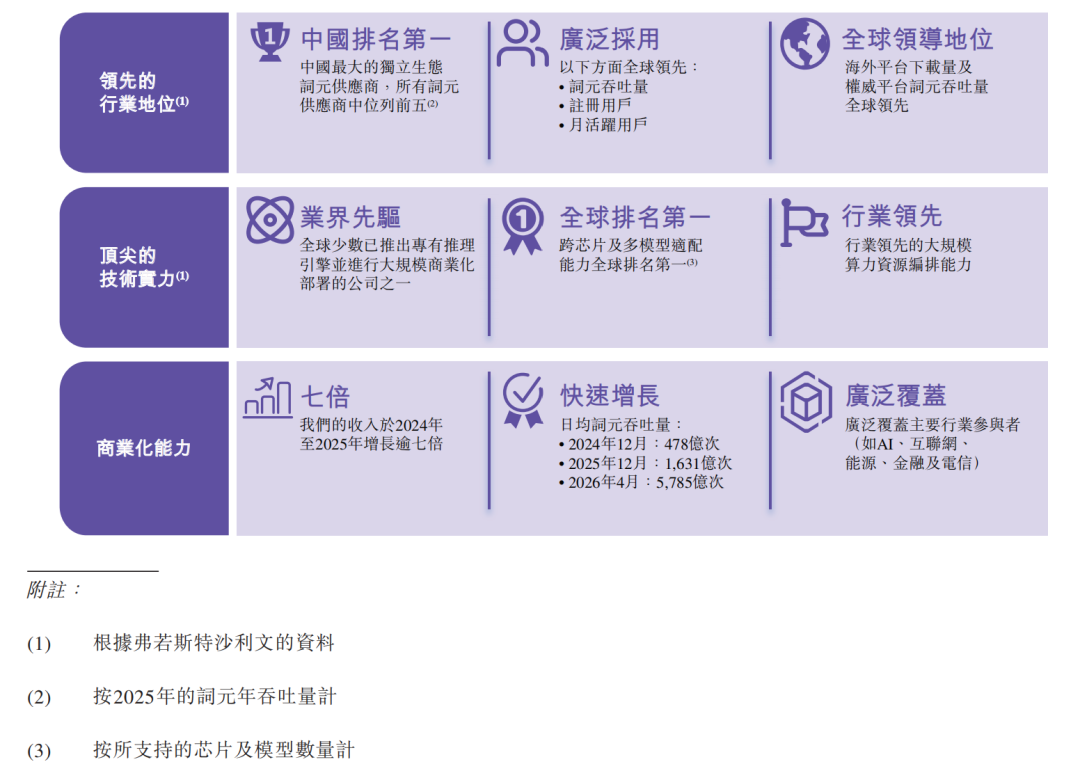
💡Understand the market dynamics behind the 'Token Factory' boom and its impact on AI infrastructure funding.
⚡ 30-Second TL;DR
What Changed
Rapid proliferation of token-focused infrastructure companies
Why It Matters
Investors and builders must navigate the volatility of token-based AI projects, as the market matures from pure speculation to infrastructure utility.
What To Do Next
Evaluate the underlying utility of token-based compute protocols before integrating them into your AI stack.
Key Points
- •Rapid proliferation of token-focused infrastructure companies
- •Capital markets are heavily betting on the token economy
- •Distinguishing between market hype and sustainable value
- •The intersection of AI compute and tokenized assets
🧠 Deep Insight
AI-generated analysis for this event — not the original article.
🔑 Enhanced Key Takeaways
- •Token Factories are increasingly leveraging Zero-Knowledge (ZK) proofs to automate the compliance and regulatory reporting requirements for tokenized real-world assets (RWAs).
- •The integration of AI agents within Token Factories has enabled 'autonomous liquidity provision,' where algorithms dynamically adjust token parameters based on real-time market volatility.
- •Regulatory bodies in major jurisdictions have begun drafting 'Token Factory Standards' to distinguish between utility-focused infrastructure and unregistered securities issuance.
- •Institutional adoption is shifting from simple tokenization to 'programmable equity,' where governance rights and dividend distributions are hard-coded into the token factory's smart contract templates.
- •Recent data indicates a surge in 'Modular Tokenization' frameworks, allowing companies to swap out specific blockchain layers (e.g., consensus or data availability) without re-issuing the underlying asset tokens.
🛠️ Technical Deep Dive
- Implementation of ERC-3643 (T-REX) standards for permissioned tokenization, enabling identity-based access control directly at the smart contract level.
- Utilization of ZK-STARKs for off-chain computation of asset valuations, ensuring privacy while maintaining verifiable proof of collateralization.
- Deployment of cross-chain interoperability protocols (such as CCIP) to allow tokenized assets to move seamlessly between Layer 1 and Layer 2 ecosystems.
- Integration of decentralized oracle networks to feed real-time market data into automated minting and burning mechanisms.
🔮 Future ImplicationsAI analysis grounded in cited sources
⏳ Timeline
Weekly AI Recap
Read this week's curated digest of top AI events →
👉Related Updates



AI-curated news aggregator. All content rights belong to original publishers.
Original source: 钛媒体 ↗
This is a summary, not the original. Read the source, or get the weekly briefing.
The weekly digest
One email a week. Unsubscribe anytime.