The legacy of FMV in Wing Commander IV
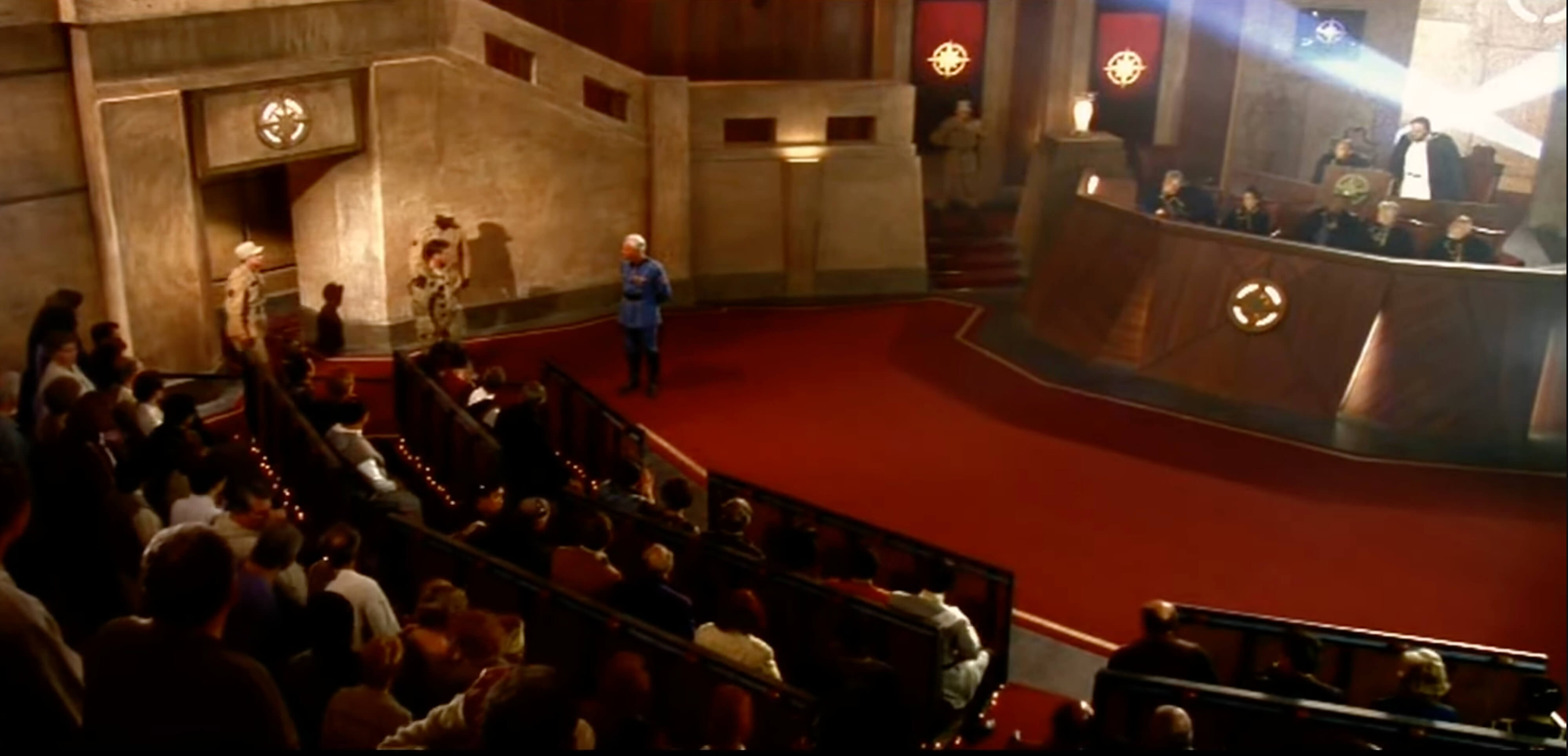
💡Understand the history of interactive cinema, a precursor to modern AI-generated video and narrative experiences.
⚡ 30-Second TL;DR
What Changed
Historical analysis of FMV in gaming
Why It Matters
Provides context on the evolution of interactive storytelling, relevant to modern AI-driven narrative generation.
What To Do Next
Study the narrative structures of early FMV games to better understand user engagement in interactive AI agents.
Key Points
- •Historical analysis of FMV in gaming
- •Chris Roberts' cinematic game design
- •The intersection of film and interactive media
🧠 Deep Insight
AI-generated analysis for this event — not the original article.
🔑 Enhanced Key Takeaways
- •Wing Commander IV: The Price of Freedom utilized a production budget of approximately $12 million, making it one of the most expensive video game productions of its time.
- •The game was filmed on 35mm film rather than digital video, a deliberate choice by Chris Roberts to achieve a cinematic look that distinguished it from contemporary FMV titles.
- •The production featured high-profile Hollywood talent including Mark Hamill and Malcolm McDowell, setting a precedent for celebrity integration in interactive media.
- •Technical limitations of the era required the game to ship on six CD-ROMs, necessitating complex asset compression and streaming techniques to manage video playback.
- •The project's scale led to the creation of Origin Systems' dedicated 'Digital Anvil' studio, which was founded by Chris Roberts to further bridge the gap between film and gaming.
📊 Competitor Analysis▸ Show
| Feature | Wing Commander IV | Phantasmagoria | The 7th Guest |
|---|---|---|---|
| Primary Medium | 35mm Film FMV | Digitized Actors/3D | Pre-rendered 3D/FMV |
| Budget | ~$12 Million | ~$4 Million | ~$0.5 Million |
| Focus | Space Combat/Drama | Horror/Adventure | Puzzle/Mystery |
🛠️ Technical Deep Dive
- Video Playback: Utilized a proprietary codec designed to stream high-quality video from CD-ROMs while maintaining system performance for the 3D space combat engine.
- Asset Management: Implemented a multi-disc architecture that required seamless transitions between cinematic sequences and real-time gameplay segments.
- Production Pipeline: Employed traditional film industry techniques, including professional lighting, set design, and blue-screen compositing, which were rare in mid-90s game development.
🔮 Future ImplicationsAI analysis grounded in cited sources
⏳ Timeline
Weekly AI Recap
Read this week's curated digest of top AI events →
👉Related Updates
AI-curated news aggregator. All content rights belong to original publishers.
Original source: Ars Technica ↗
This is a summary, not the original. Read the source, or get the weekly briefing.
Weekly AI briefing
One email a week. Unsubscribe anytime.