The Future and Decay of High-Rise Residential Buildings
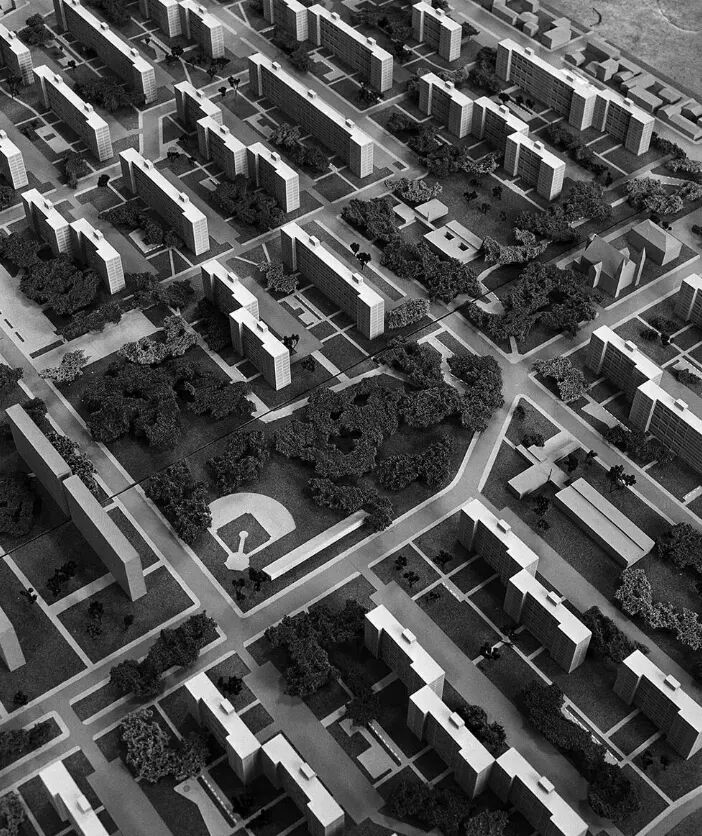
💡Understand the hidden long-term risks of high-density urban infrastructure for smart city AI modeling.
⚡ 30-Second TL;DR
What Changed
High-rise buildings face accelerated aging in systems like elevators, plumbing, and fire safety.
Why It Matters
Urban planners and developers must consider the long-term lifecycle costs of high-density housing, as these structures are not permanent solutions.
What To Do Next
If building AI-driven smart city models, incorporate building maintenance lifecycle data to predict structural obsolescence.
Key Points
- •High-rise buildings face accelerated aging in systems like elevators, plumbing, and fire safety.
- •The Pruitt-Igoe project serves as a historical case study for the failure of high-density public housing.
- •Maintenance costs for aging high-rises often exceed the value of the property, leading to demolition.
🧠 Deep Insight
Web-grounded analysis with 14 cited sources.
🔑 Enhanced Key Takeaways
- •The failure of the Pruitt-Igoe project, designed by Minoru Yamasaki, was not solely due to architectural flaws but also exacerbated by underlying social issues like racial segregation, lack of city commitment, and financial restrictions that led to modifications from the original design.
- •Beyond physical degradation, high-rise buildings face functional obsolescence, where their design, amenities, or technology no longer meet modern tenant expectations (e.g., outdated floor plans, insufficient parking, lack of high-speed internet), and economic obsolescence, driven by external factors like neighborhood decline or changes in market demand.
- •While structural frames of modern high-rises can last 75-100 years or more, critical building systems such as HVAC, electrical wiring, and plumbing have significantly shorter lifespans, typically ranging from 15-50 years, necessitating frequent and costly replacements.
- •The escalating costs of maintaining aging high-rises are driven by factors including rising material prices, shortages of skilled labor in trades like plumbing and electrical work, and the increasing need to comply with modern energy efficiency and safety regulations.
- •Retrofitting aging high-rise buildings with smart technologies and integrated systems can significantly extend their useful life, improve energy efficiency, enhance security, and increase tenant satisfaction, offering a viable alternative to demolition and new construction.
🔮 Future ImplicationsAI analysis grounded in cited sources
⏳ Timeline
📎 Sources (14)
Factual claims are grounded in the sources below. Forward-looking analysis is AI-generated interpretation.
Weekly AI Recap
Read this week's curated digest of top AI events →
👉Related Updates

AI-curated news aggregator. All content rights belong to original publishers.
Original source: 虎嗅 ↗