The End of Large-Cap Broad-Based ETFs
💡Market style shifts often precede capital reallocation into high-growth tech sectors.
⚡ 30-Second TL;DR
What Changed
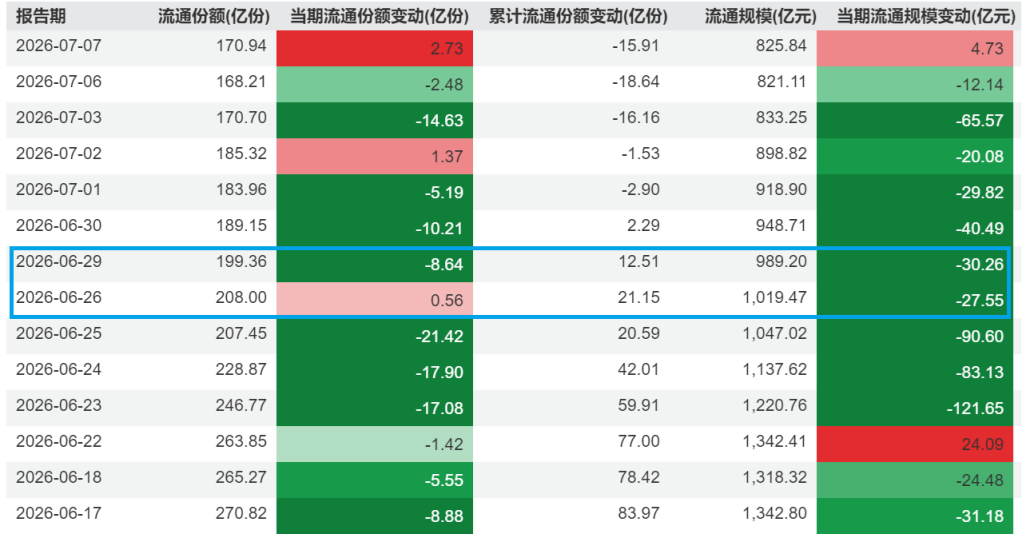
Market style has undergone a complete transformation.
Why It Matters
This shift indicates a move away from passive index tracking toward more active, sector-specific investment strategies.
What To Do Next
Re-evaluate your portfolio's exposure to passive index funds in favor of sector-specific AI or tech-heavy assets.
Key Points
- •Market style has undergone a complete transformation.
- •Traditional broad-based ETF strategies are losing effectiveness.
- •Investors are forced to seek new asset allocation methods.
🧠 Deep Insight
AI-generated analysis for this event — not the original article.
🔑 Enhanced Key Takeaways
- •The rise of 'Factor-Based' and 'Thematic' ETFs has cannibalized assets from traditional market-cap-weighted funds as investors prioritize idiosyncratic alpha over beta exposure.
- •Increased market concentration in a handful of mega-cap technology stocks has rendered broad-based indices less effective at providing true diversification, leading to higher portfolio volatility.
- •Regulatory shifts and the introduction of 'Active ETFs' have allowed fund managers to implement non-transparent, high-conviction strategies that outperform static broad-based benchmarks.
- •Institutional investors are increasingly utilizing 'Direct Indexing' platforms, which allow for tax-loss harvesting and personalized ESG constraints, further eroding the value proposition of standardized broad-based ETFs.
- •Liquidity fragmentation in the ETF market has made it more expensive to trade large-cap broad-based funds during periods of market stress, prompting a migration toward more specialized, liquid instruments.
🔮 Future ImplicationsAI analysis grounded in cited sources
⏳ Timeline
Weekly AI Recap
Read this week's curated digest of top AI events →
👉Related Updates



AI-curated news aggregator. All content rights belong to original publishers.
Original source: 钛媒体 ↗
This is a summary, not the original. Read the source, or get the weekly briefing.
The weekly digest
One email a week. Unsubscribe anytime.