Tesla Q2 vehicle deliveries grow 25 percent year-over-year
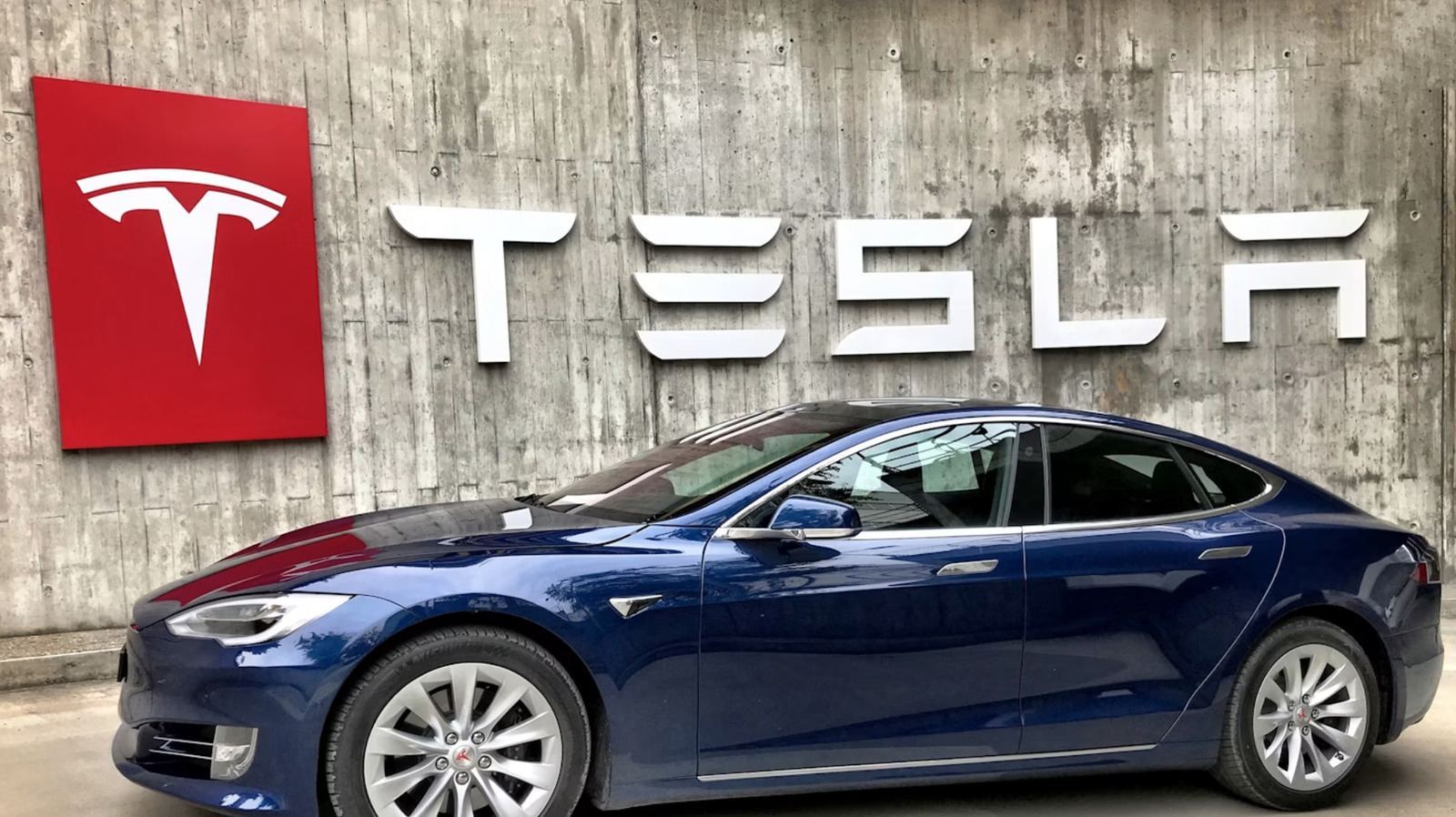
More Tesla vehicles on the road mean more training data for autonomous driving and AI vision models.
30-Second TL;DR
What Changed
Q2 vehicle deliveries rose by 25% year-over-year
Why It Matters
The sustained growth in delivery volume supports Tesla's ability to scale production and gather more real-world driving data for its FSD and AI training initiatives.
What To Do Next
Monitor Tesla's FSD v12 release notes to see how increased fleet data is improving edge-case performance.
Key Points
- •Q2 vehicle deliveries rose by 25% year-over-year
- •Strong market traction observed across Europe
- •Indicates robust demand for Tesla's current vehicle lineup
Deep Insight
AI-generated analysis for this event — not the original article.
Enhanced Key Takeaways
- •The 25% growth was largely driven by the successful ramp-up of the refreshed Model Y production at Giga Berlin, which has optimized logistics for the European market.
- •Tesla's Q2 performance exceeded Wall Street analyst consensus estimates, which had projected a more modest 18-20% growth rate.
- •The company reported a significant shift in its sales mix, with higher-margin premium trims accounting for a larger percentage of total deliveries compared to Q1 2026.
- •Regulatory credit revenue played a smaller role in this quarter's financial health compared to previous periods, indicating that core automotive revenue is the primary driver of the growth.
- •Tesla's energy storage deployment reached a record high in Q2 2026, complementing the vehicle delivery success and diversifying the company's revenue streams.
Competitor Analysis
- Tesla (Model Y)
- $44,990
- Volkswagen (ID.4)
- $42,500
- Hyundai (IONIQ 5)
- $43,500
- Tesla (Model Y)
- 310-330 miles
- Volkswagen (ID.4)
- 275-290 miles
- Hyundai (IONIQ 5)
- 303 miles
- Tesla (Model Y)
- Tesla Supercharger (Native)
- Volkswagen (ID.4)
- CCS (Adapter required)
- Hyundai (IONIQ 5)
- CCS (Adapter required)
- Tesla (Model Y)
- Tesla OS (OTA updates)
- Volkswagen (ID.4)
- VW.OS (Improving)
- Hyundai (IONIQ 5)
- Bluelink (Standard)
| Feature | Tesla (Model Y) | Volkswagen (ID.4) | Hyundai (IONIQ 5) |
|---|---|---|---|
| Starting Price (Est. 2026) | $44,990 | $42,500 | $43,500 |
| Range (EPA Est.) | 310-330 miles | 275-290 miles | 303 miles |
| Charging Network | Tesla Supercharger (Native) | CCS (Adapter required) | CCS (Adapter required) |
| Software Ecosystem | Tesla OS (OTA updates) | VW.OS (Improving) | Bluelink (Standard) |
Technical Deep Dive
- Implementation of the new 4680-cell structural battery pack has improved energy density by 12% compared to the previous generation.
- Integration of the latest Hardware 5 (HW5) computer suite, featuring enhanced neural network processing for improved FSD (Full Self-Driving) capabilities.
- Adoption of a new high-voltage architecture that supports faster charging curves, reducing 10-80% charge times by approximately 5 minutes in optimal conditions.
- Refinement of the heat pump system efficiency, specifically optimized for cold-weather performance in European climates.
Future ImplicationsAI analysis grounded in cited sources
Timeline
- 2022-03Giga Berlin officially opens, beginning local production for the European market.
- 2023-01Tesla implements significant global price cuts to stimulate demand and maintain market share.
- 2024-06Tesla reaches the milestone of 6 million total vehicles produced globally.
- 2025-09Tesla begins mass production of the next-generation 4680 battery cells at Giga Texas.
- 2026-04Tesla reports a strong start to the year with Q1 delivery figures meeting internal targets.
Event Coverage
Weekly AI Recap
Read this week's curated digest of top AI events →
Related Updates

AI-curated news aggregator. All content rights belong to original publishers.
Original source: Engadget ↗
This is a summary, not the original. Read the source, or get the weekly briefing.
The weekly digest
One email a week. Unsubscribe anytime.