Tesla Faces $14.5B Autopilot Lawsuits
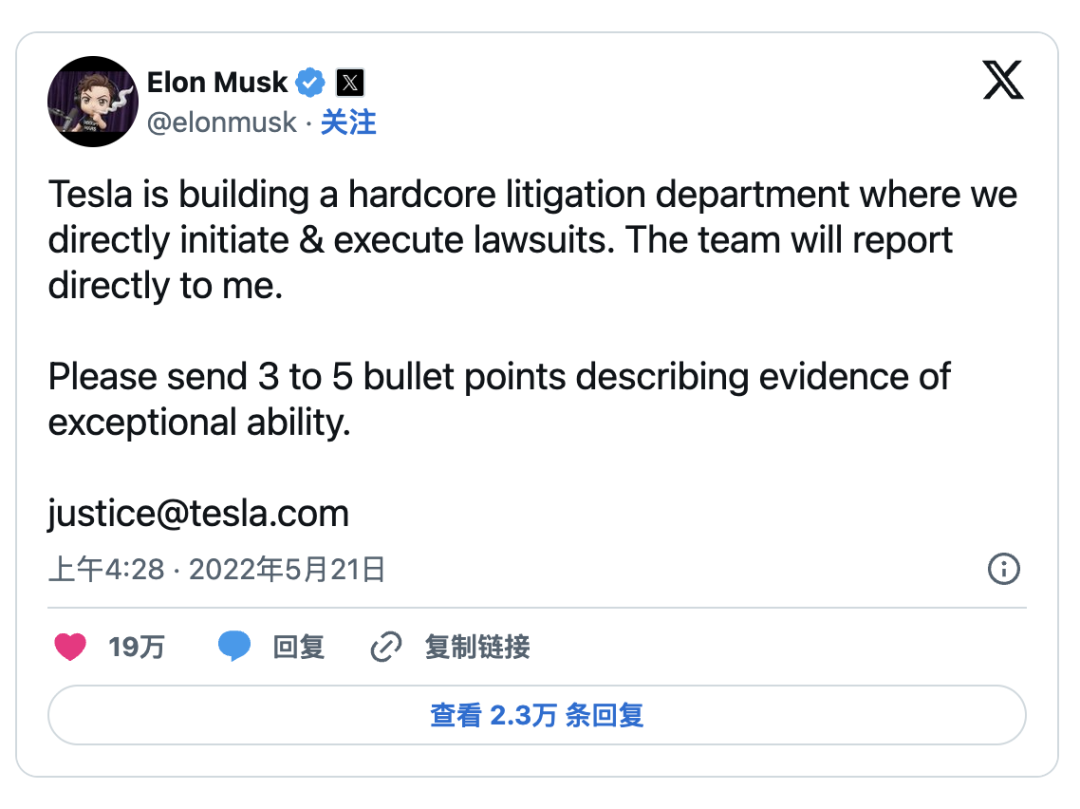
💡Tesla's $14.5B AV suits warn of AI safety litigation risks
⚡ 30-Second TL;DR
What Changed
$243M Benavides verdict holds Tesla 33% liable for 2019 fatal Autopilot crash.
Why It Matters
Heightens liability risks for AV AI deployments, may force Tesla recalls and conservative marketing. Signals stricter safety scrutiny across autonomous industry.
What To Do Next
Audit your AV model's low-visibility detection using NHTSA-reported failure modes.
Key Points
- •$243M Benavides verdict holds Tesla 33% liable for 2019 fatal Autopilot crash.
- •21 litigation paths across ADAS deaths, fraud, discrimination; up to $14.5B exposure.
- •NHTSA probes FSD on 3.2M cars for low-visibility detection failures, 9 incidents.
- •Class actions allege misleading FSD marketing since 2016 and shareholder fraud post-Robotaxi.
🧠 Deep Insight
AI-generated analysis for this event — not the original article.
🔑 Enhanced Key Takeaways
- •The $14.5B figure represents a cumulative estimate of potential damages across multiple consolidated class actions, including punitive damages sought by plaintiffs alleging Tesla knowingly marketed 'Full Self-Driving' as a finished product despite internal engineering warnings.
- •The NHTSA investigation into the 3.2 million vehicles has expanded to include a specific review of Tesla's 'Vision-only' sensor suite, questioning whether the lack of LiDAR or radar hardware inherently limits the system's ability to detect low-contrast obstacles in adverse weather conditions.
- •Legal filings indicate that Tesla's defense strategy has shifted from arguing 'driver negligence' to emphasizing the 'beta' nature of the software, a pivot that plaintiffs argue contradicts the company's public marketing campaigns and CEO statements regarding imminent autonomy.
📊 Competitor Analysis▸ Show
| Feature | Tesla (FSD/Autopilot) | Waymo (Driverless) | Mercedes-Benz (Drive Pilot) |
|---|---|---|---|
| Sensor Suite | Vision-only (Cameras) | LiDAR, Radar, Cameras | LiDAR, Radar, Cameras, Ultrasonic |
| Operational Domain | Any road (Level 2) | Geofenced (Level 4) | Highways/Traffic (Level 3) |
| Liability | Driver responsible | Company responsible | Company responsible (in mode) |
| Pricing Model | Subscription/One-time | Per-ride (Robotaxi) | Subscription (Annual) |
🛠️ Technical Deep Dive
- •Tesla's 'Vision-only' architecture relies on a deep neural network (HydraNet) that processes raw camera data to create a 3D vector space representation of the environment.
- •The system utilizes occupancy networks to predict the probability of space being occupied by obstacles, which has been a focal point of the NHTSA investigation regarding low-visibility detection failures.
- •The transition from legacy 'Autopilot' code to the current 'FSD' stack involves an end-to-end neural network approach, moving away from explicit C++ hard-coded rules for object detection and path planning.
🔮 Future ImplicationsAI analysis grounded in cited sources
⏳ Timeline
Weekly AI Recap
Read this week's curated digest of top AI events →
👉Related Updates




AI-curated news aggregator. All content rights belong to original publishers.
Original source: 虎嗅 ↗
This is a summary, not the original. Read the source, or get the weekly briefing.
The weekly digest
One email a week. Unsubscribe anytime.