Sustainable T70S race car uses plant fibers and seawater
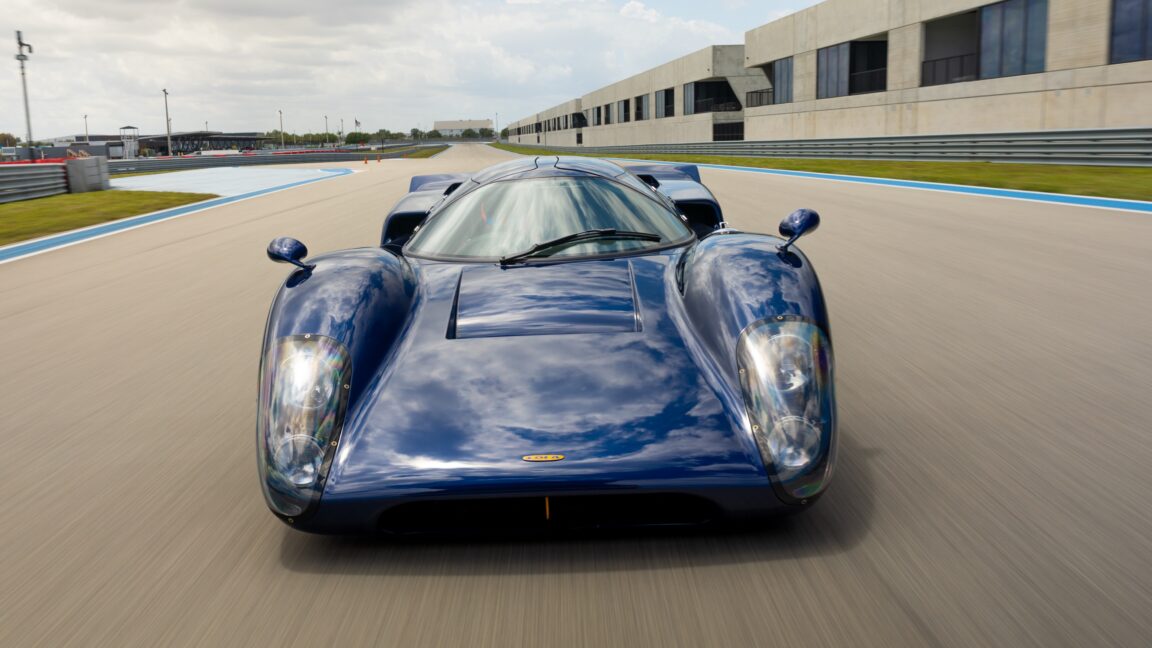
💡See how novel bio-materials are replacing carbon fiber in high-performance vehicle engineering.
⚡ 30-Second TL;DR
What Changed
Utilizes plant-based fibers for structural integrity
Why It Matters
This highlights a shift toward bio-composite materials in high-performance engineering, which could influence future hardware design in robotics and autonomous vehicles.
What To Do Next
Research bio-composite material suppliers to explore lightweight, sustainable chassis options for your next robotics hardware prototype.
Key Points
- •Utilizes plant-based fibers for structural integrity
- •Incorporates volcanic materials and seawater-derived components
- •Offers dual-purpose configuration for racing or street legality
🧠 Deep Insight
AI-generated analysis for this event — not the original article.
🔑 Enhanced Key Takeaways
- •The T70S is developed by Bcomp and partners, utilizing their proprietary ampliTex flax fiber technology to replace traditional carbon fiber composites.
- •The seawater-derived components refer to the use of magnesium extracted from seawater, which is used in the vehicle's alloy chassis elements to reduce environmental impact.
- •Volcanic minerals are integrated into the resin matrix of the bodywork to enhance fire retardancy and structural rigidity without increasing weight.
- •The vehicle features a modular chassis design that allows for rapid swapping between track-focused aerodynamics and road-legal lighting and safety configurations.
- •The project aims to achieve a 75% reduction in CO2 emissions during the manufacturing phase compared to a standard carbon-fiber-bodied race car of similar performance.
📊 Competitor Analysis▸ Show
| Feature | T70S (Sustainable) | Porsche 718 Cayman GT4 RS | Lotus Emira GT4 |
|---|---|---|---|
| Body Material | Flax Fiber/Volcanic Resin | Carbon Fiber/Aluminum | Composite/Aluminum |
| Sustainability | High (Bio-based) | Low (Traditional) | Low (Traditional) |
| Primary Use | Dual (Track/Road) | Dual (Track/Road) | Track Focused |
| Est. Pricing | $250,000+ | ~$160,000 | ~$205,000 |
🛠️ Technical Deep Dive
- Chassis: Hybrid spaceframe utilizing seawater-extracted magnesium alloys and recycled aluminum.
- Bodywork: Multi-axial flax fiber weave (ampliTex) infused with a bio-based epoxy resin containing volcanic mineral fillers.
- Aerodynamics: Active aero elements constructed from bio-composites, capable of adjusting downforce levels for street vs. track modes.
- Powertrain: Mid-mounted high-revving naturally aspirated engine compatible with synthetic e-fuels.
- Weight: Target curb weight of 1,150 kg, achieving a power-to-weight ratio comparable to GT4-class race cars.
🔮 Future ImplicationsAI analysis grounded in cited sources
⏳ Timeline
Weekly AI Recap
Read this week's curated digest of top AI events →
👉Related Updates
AI-curated news aggregator. All content rights belong to original publishers.
Original source: Ars Technica ↗
This is a summary, not the original. Read the source, or get the weekly briefing.
Weekly AI briefing
One email a week. Unsubscribe anytime.