Strategies for Integrating AI-Native Talent in Enterprises
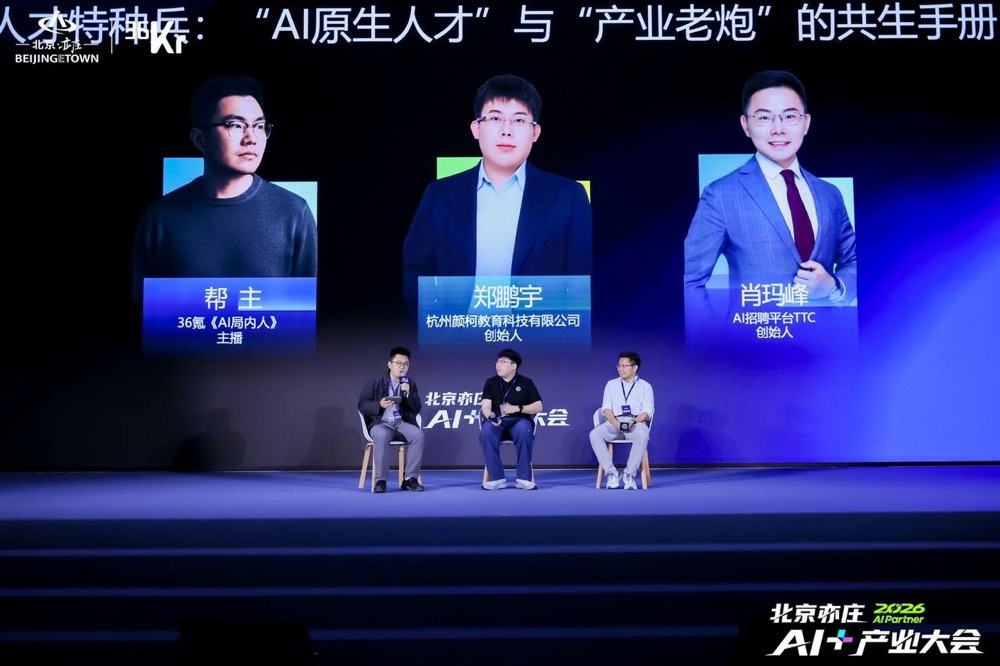
💡Learn how to build an AI-ready team when top-tier AI talent is scarce and expensive.
⚡ 30-Second TL;DR
What Changed
AI-native talent is defined by an inseparable reliance on AI in daily workflows.
Why It Matters
Enterprises struggling with AI adoption should focus on 'up-skilling' existing staff rather than solely relying on the scarce pool of external AI-native experts.
What To Do Next
Organize an internal hackathon to identify employees who naturally integrate AI agents into their problem-solving processes.
Key Points
- •AI-native talent is defined by an inseparable reliance on AI in daily workflows.
- •Only 1% of enterprises are truly AI-native; 20% are actively transitioning.
- •Internal talent cultivation via hackathons is more effective than external hiring for some.
- •The ability to make high-level judgments remains a key differentiator for human talent.
🧠 Deep Insight
Web-grounded analysis with 23 cited sources.
🔑 Enhanced Key Takeaways
- •AI literacy extends beyond technical skills, focusing on critical thinking, ethical understanding, and the ability to evaluate AI outputs within specific job contexts, which is crucial for leaders to understand strategic value and risk.
- •A significant challenge in enterprise AI integration is the widespread lack of data readiness, with 63% of organizations lacking the necessary data management practices, leading to over 50% of AI initiatives failing to reach production by 2027 due to missing foundational architecture.
- •Effective AI upskilling strategies emphasize continuous, role-specific learning integrated into daily workflows, moving beyond generic training to address specific business objectives and individual career pathways.
- •AI is fundamentally reshaping job roles by automating routine tasks and simultaneously increasing demand for uniquely human skills such as strategic thinking, emotional intelligence, and adaptability, while also creating new roles in AI development, implementation, and maintenance.
🔮 Future ImplicationsAI analysis grounded in cited sources
⏳ Timeline
📎 Sources (23)
Factual claims are grounded in the sources below. Forward-looking analysis is AI-generated interpretation.
Weekly AI Recap
Read this week's curated digest of top AI events →
👉Related Updates
AI-curated news aggregator. All content rights belong to original publishers.
Original source: 36氪 ↗