StoryFile Launches AI Clones for Life After Death
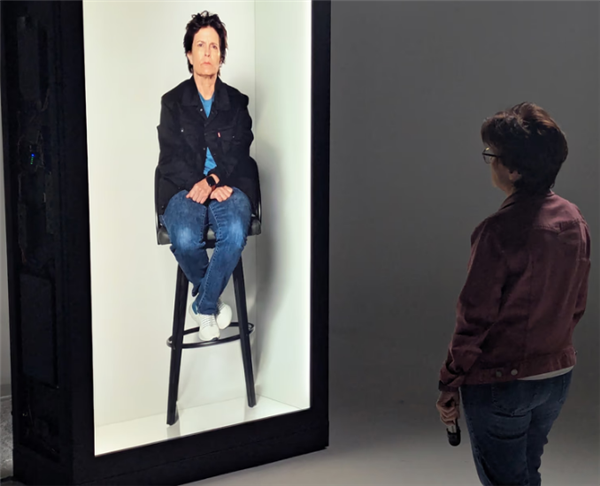
💡StoryFile’s AI clone shows both the emotional power and ethical risk of posthumous digital companions.
⚡ 30-Second TL;DR
What Changed
StoryFile’s service is designed to preserve a person’s digital presence for communication after death.
Why It Matters
The product illustrates a sensitive new category of AI applications involving grief, identity, consent, and digital remains. Developers entering this space will need unusually strong safeguards for data ownership, impersonation, posthumous consent, and family access.
What To Do Next
If building a persona-cloning feature, implement explicit consent records, revocation controls, family-access permissions, and deletion workflows before collecting voice or biographical data.
Key Points
- •StoryFile’s service is designed to preserve a person’s digital presence for communication after death.
- •Users provide several photos and approximately one minute of audio to begin creating the clone.
- •The system also collects answers to dozens of private questions about the user’s life.
- •A foreign journalist’s family reportedly found the resulting digital replica disturbing during testing.
🧠 Deep Insight
AI-generated analysis for this event.
🔑 Enhanced Key Takeaways
- •StoryFile utilizes a proprietary conversational AI platform that relies on pre-recorded video responses rather than real-time generative AI to ensure the 'clone' only speaks based on the user's actual recorded testimony.
- •The company gained significant public attention in 2021 when it facilitated the first 'interactive' funeral for Holocaust survivor Marina Smith, allowing mourners to ask her questions.
- •StoryFile's technology is often categorized under 'Grief Tech' or 'Digital Immortality,' raising significant ethical debates regarding consent, the psychological impact on the bereaved, and data privacy.
- •The platform's architecture is designed to prevent the AI from hallucinating or generating new, unverified information by strictly limiting responses to the pre-recorded video database.
- •Beyond personal use, StoryFile has expanded into the enterprise and museum sectors, creating interactive archives for historical figures and corporate legacy preservation.
📊 Competitor Analysis▸ Show
| Feature | StoryFile | HereAfter AI | DeepBrain AI |
|---|---|---|---|
| Core Tech | Pre-recorded Video AI | Audio/Photo-based Chatbot | Real-time Generative Video AI |
| Primary Focus | Legacy/Storytelling | Biographical Memories | Virtual Humans/Avatars |
| Pricing | Tiered/Subscription | Subscription-based | Enterprise/Custom Pricing |
🛠️ Technical Deep Dive
- Uses a proprietary conversational video engine that maps user questions to specific pre-recorded video clips.
- Employs Natural Language Processing (NLP) to analyze incoming queries and match them with the most relevant pre-recorded response.
- The system does not use Large Language Models (LLMs) to generate new speech, ensuring the digital replica only uses the user's own words and voice.
- Data ingestion involves a structured interview process where users record answers to a vast library of life-experience questions.
🔮 Future ImplicationsAI analysis grounded in cited sources
⏳ Timeline
Weekly AI Recap
Read this week's curated digest of top AI events →
👉Related Updates
AI-curated news aggregator. All content rights belong to original publishers.
Original source: cnBeta (Full RSS) ↗