SK Giants Boost China Fabs for AI Memory Supply
💡SK firms pump $300M+ into China fabs to ease AI memory shortage—vital for cluster costs.
⚡ 30-Second TL;DR
What Changed
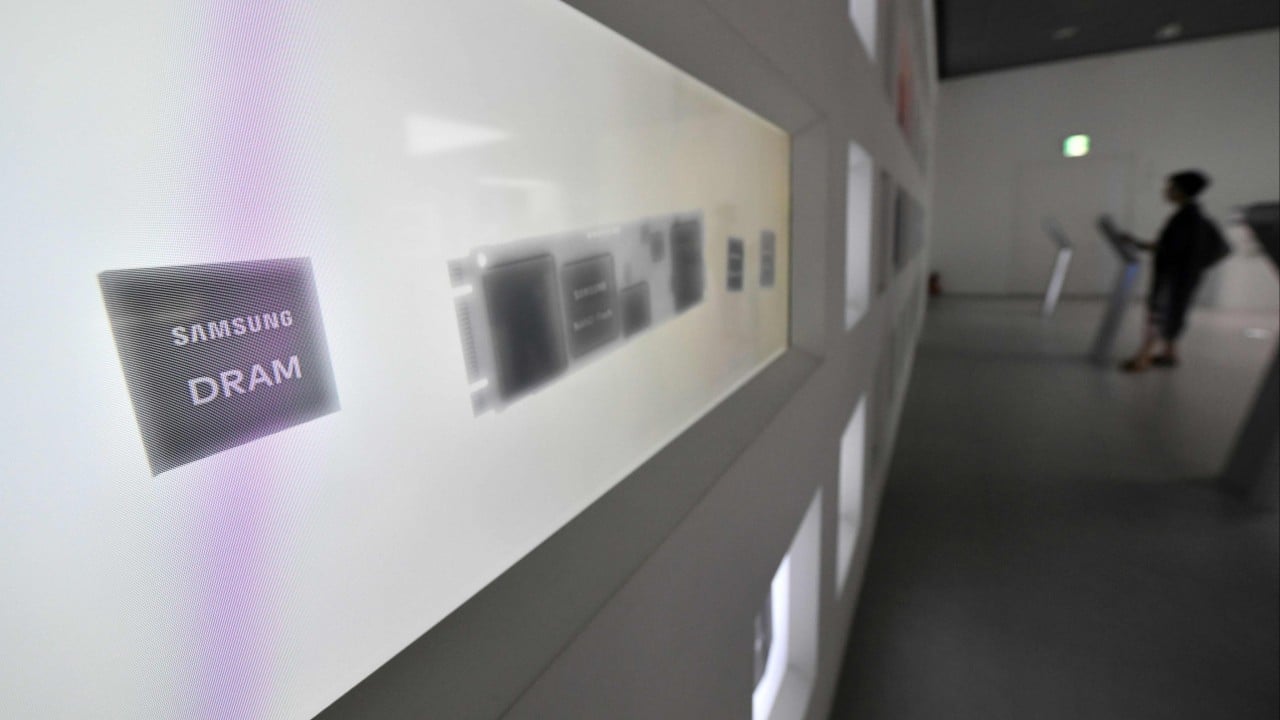
Samsung invested 465.4B won ($308.8M) in Xi'an fab, 67.5% increase from prior year
Why It Matters
Increased supply could stabilize AI training hardware costs short-term, but US-China tensions risk disruptions. Benefits AI firms reliant on HBM/DRAM for GPUs.
What To Do Next
Assess Samsung/SK Hynix HBM roadmap for 2026 GPU cluster procurement planning.
Key Points
- •Samsung invested 465.4B won ($308.8M) in Xi'an fab, 67.5% increase from prior year
- •SK Hynix also accelerating China wafer fab investments
- •Driven by global AI computing demand tightening memory market
- •China remains key in semis production amid US export curbs
🧠 Deep Insight
AI-generated analysis for this event — not the original article.
🔑 Enhanced Key Takeaways
- •The investments focus heavily on expanding capacity for high-bandwidth memory (HBM) and advanced NAND flash, which are critical for AI training clusters and data center storage.
- •South Korean firms are navigating a complex regulatory landscape, utilizing 'Validated End-User' (VEU) authorizations from the US Department of Commerce to maintain operations in China despite tightening export controls on advanced lithography equipment.
- •The strategy reflects a shift toward 'China-for-China' production, aiming to serve the rapidly growing domestic AI server market within China while mitigating supply chain risks associated with geopolitical trade barriers.
🔮 Future ImplicationsAI analysis grounded in cited sources
⏳ Timeline
Weekly AI Recap
Read this week's curated digest of top AI events →
👉Related Updates
AI-curated news aggregator. All content rights belong to original publishers.
Original source: SCMP Technology ↗
This is a summary, not the original. Read the source, or get the weekly briefing.
The weekly digest
One email a week. Unsubscribe anytime.