SiliconFlow aims to become the first 'Token Factory' stock
💡Understand the 'Token Factory' model and how it aims to commoditize AI inference at scale.
⚡ 30-Second TL;DR
What Changed
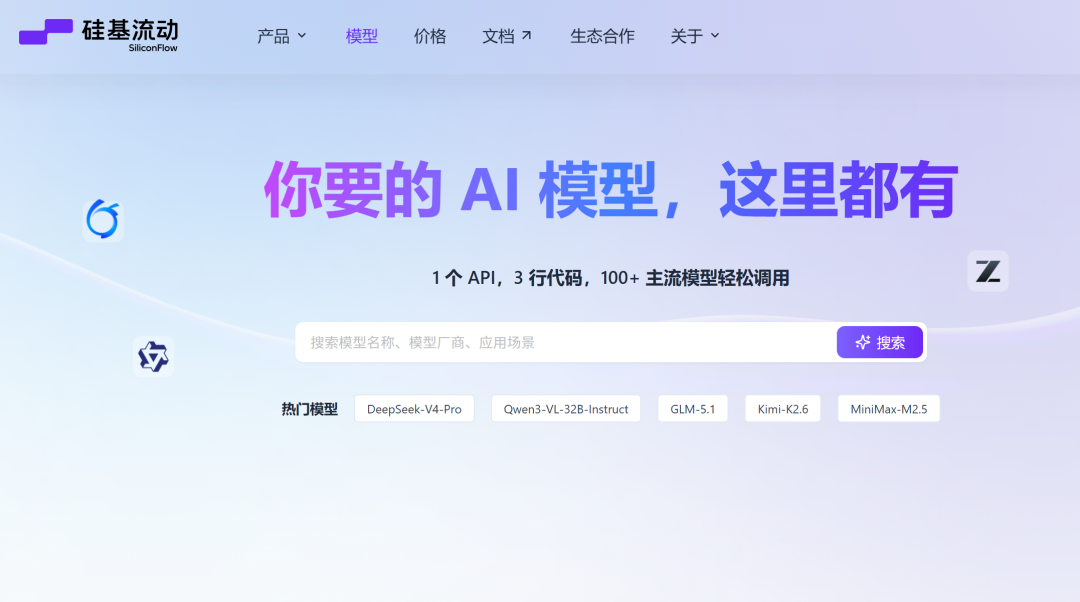
SiliconFlow is pioneering the 'Token Factory' business model.
Why It Matters
The 'Token Factory' model could commoditize LLM access, forcing a race to the bottom for inference pricing across the industry.
What To Do Next
Evaluate SiliconFlow's API pricing against existing providers to see if it can reduce your current inference costs.
Key Points
- •SiliconFlow is pioneering the 'Token Factory' business model.
- •Focus on scaling LLM token generation at competitive price points.
- •High valuation despite losses indicates market belief in AI infrastructure scalability.
🧠 Deep Insight
AI-generated analysis for this event — not the original article.
🔑 Enhanced Key Takeaways
- •SiliconFlow has developed a proprietary high-performance inference engine, often referred to as 'SiliconLLM,' designed to optimize throughput for open-source models like Qwen and Llama.
- •The company has successfully secured significant venture capital backing from prominent Chinese tech investors, including Source Code Capital and Zhipu AI, to subsidize early-stage token costs.
- •SiliconFlow's business model relies on a 'model-as-a-service' (MaaS) architecture that abstracts the underlying hardware complexity, allowing developers to switch between models via a unified API.
- •The 'Token Factory' strategy specifically targets the reduction of inference latency by utilizing heterogeneous computing clusters, effectively commoditizing LLM access for enterprise clients.
- •SiliconFlow has actively contributed to the open-source community by releasing optimized versions of popular models, which serves as a customer acquisition funnel for their paid API services.
📊 Competitor Analysis▸ Show
| Feature | SiliconFlow | Together AI | Groq |
|---|---|---|---|
| Primary Focus | Unified API/MaaS | Open-source Inference | LPU Hardware/Speed |
| Pricing | Aggressive/Subsidized | Competitive/Tiered | Performance-based |
| Key Strength | Ecosystem Integration | Model Variety | Ultra-low Latency |
🛠️ Technical Deep Dive
- Utilizes a custom-built inference engine optimized for high-concurrency token generation.
- Implements advanced KV cache management techniques to reduce memory overhead during long-context inference.
- Supports dynamic batching and speculative decoding to maximize GPU utilization across heterogeneous hardware clusters.
- Provides a unified OpenAI-compatible API interface to lower integration barriers for developers migrating from closed-source providers.
🔮 Future ImplicationsAI analysis grounded in cited sources
⏳ Timeline
Weekly AI Recap
Read this week's curated digest of top AI events →
👉Related Updates



AI-curated news aggregator. All content rights belong to original publishers.
Original source: 钛媒体 ↗
This is a summary, not the original. Read the source, or get the weekly briefing.
Weekly AI briefing
One email a week. Unsubscribe anytime.