SHEIN's IPO struggles and business model shift
💡Learn why supply-chain-only business models face significant risks in the current global regulatory and competitive land
⚡ 30-Second TL;DR
What Changed
SHEIN's 'small-batch, quick-response' model is being challenged by Temu and TikTok Shop.
Why It Matters
SHEIN's struggle illustrates the limits of pure supply-chain arbitrage in the global e-commerce market when faced with intense competition and regulatory scrutiny.
What To Do Next
Analyze how data-driven supply chain optimization can be applied to your own product, but ensure it is paired with a sustainable brand moat.
Key Points
- •SHEIN's 'small-batch, quick-response' model is being challenged by Temu and TikTok Shop.
- •Profitability is declining due to rising traffic and logistics costs despite revenue growth.
- •Regulatory and ESG pressures are forcing a shift in corporate strategy and headquarters location.
🧠 Deep Insight
AI-generated analysis for this event — not the original article.
🔑 Enhanced Key Takeaways
- •SHEIN has faced significant scrutiny regarding the 'de minimis' loophole in US trade law, which allows packages under $800 to enter duty-free, prompting legislative efforts to restrict this benefit for Chinese e-commerce platforms.
- •The company has actively pursued a 'platformization' strategy, opening its marketplace to third-party sellers in regions like Brazil and the US to diversify beyond its original private-label model.
- •SHEIN has encountered persistent allegations regarding labor practices in its supply chain, leading to increased investment in third-party auditing and supply chain transparency reporting to satisfy ESG requirements for potential IPO investors.
- •To mitigate geopolitical risks, SHEIN has shifted its legal headquarters to Singapore and has been aggressively expanding its manufacturing footprint into countries like Turkey and Mexico to reduce reliance on Chinese production.
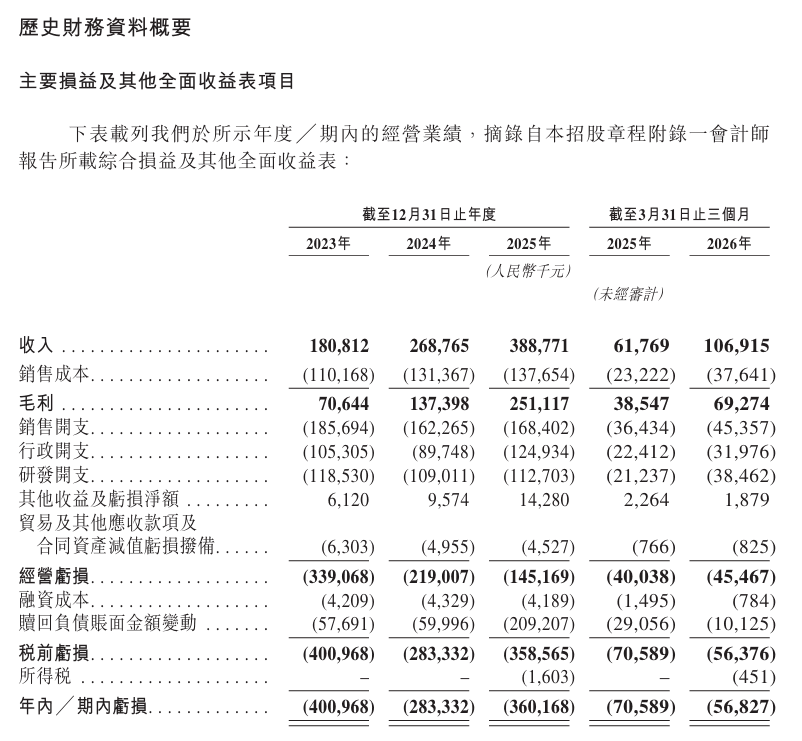
- •Financial reports indicate that while SHEIN's gross merchandise value (GMV) continues to climb, its net profit margins have been compressed by the necessity of heavy discounting and increased marketing spend to retain market share against aggressive pricing from Temu.
📊 Competitor Analysis▸ Show
| Feature | SHEIN | Temu | TikTok Shop |
|---|---|---|---|
| Core Model | Private Label / Marketplace | Marketplace (Cross-border) | Social Commerce / Creator-led |
| Pricing Strategy | Ultra-low (Dynamic) | Extreme low (Subsidy-heavy) | Competitive (Influencer-driven) |
| Supply Chain | Proprietary 'Small-batch' | Third-party / Direct-to-factory | Third-party / Integrated logistics |
| Primary Moat | Brand equity & Data feedback | Logistics cost & Scale | User engagement & Discovery |
🛠️ Technical Deep Dive
- Real-time Demand Sensing: SHEIN utilizes a proprietary AI-driven system that monitors social media trends and search data to trigger production batches as small as 100-200 units.
- Automated Inventory Balancing: The platform employs algorithmic inventory management that dynamically reroutes stock between regional warehouses based on predictive analytics of local consumer demand.
- Supplier Management System (MES): SHEIN provides its contract manufacturers with a customized Manufacturing Execution System that integrates directly with its backend to track production progress and quality control in real-time.
🔮 Future ImplicationsAI analysis grounded in cited sources
⏳ Timeline
Weekly AI Recap
Read this week's curated digest of top AI events →
👉Related Updates

AI-curated news aggregator. All content rights belong to original publishers.
Original source: 虎嗅 ↗
This is a summary, not the original. Read the source, or get the weekly briefing.
The weekly digest
One email a week. Unsubscribe anytime.