Senators Introduce Bipartisan JAWBONE Act to Curb Government Censorship
💡Understand how new bipartisan legislation might force changes in AI content moderation and government compliance.
⚡ 30-Second TL;DR
What Changed
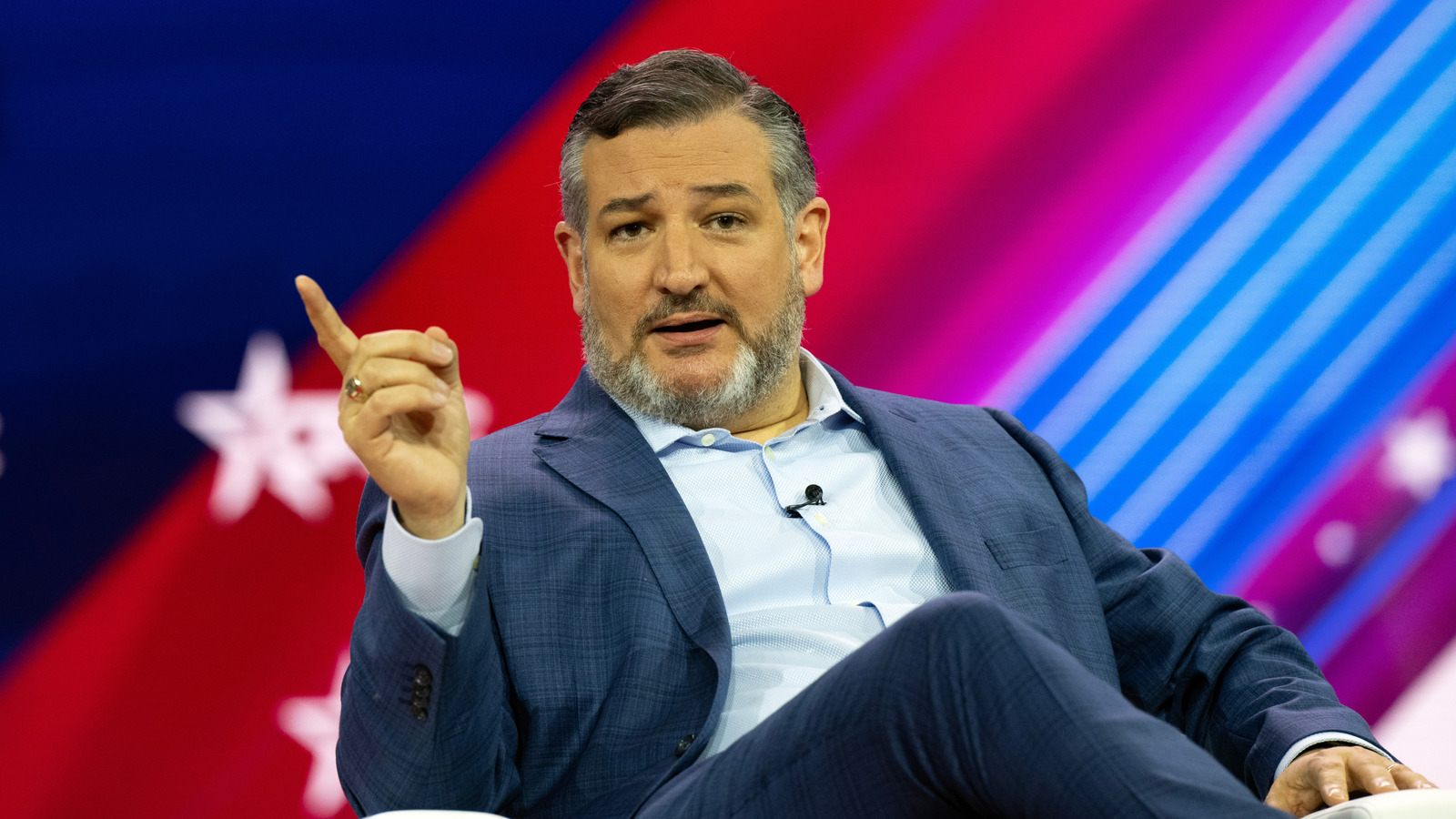
Introduced by Senators Cruz and Wyden to address government censorship concerns.
Why It Matters
This legislation could significantly alter how AI-driven content moderation platforms interact with government requests. It may force companies to adopt more transparent policies regarding state-mandated filtering.
What To Do Next
Monitor the JAWBONE Act's progress to understand potential new compliance requirements for your content moderation pipelines.
Key Points
- •Introduced by Senators Cruz and Wyden to address government censorship concerns.
- •Aims to regulate how government agencies interact with private platforms regarding content moderation.
- •Reflects ongoing political tension over the role of government in digital speech regulation.
🧠 Deep Insight
Background and context from public sources — not the original article. 16 sources cited.
🔑 Enhanced Key Takeaways
- •The JAWBONE Act, formally known as the Justice Against Weaponized Bureaucratic Overreach to Networked Expression Act, aims to create a clear legal pathway for Americans to sue federal agencies and employees who engage in "jawboning," which is the practice of pressuring private platforms to censor protected speech.
- •The legislation specifically targets government coercion against a broad range of private entities, including broadcasters, online platforms, and emerging AI companies, to suppress or remove speech.
- •A key provision of the JAWBONE Act requires federal agencies to disclose certain communications with media companies to Congress, thereby strengthening oversight and accountability and preventing officials from evading responsibility by changing jobs.
- •The bill allows victims of indirect censorship to seek monetary damages and ensures that federal employees who engage in "willful and wanton" jawboning could be personally liable for damages.
- •The JAWBONE Act has garnered bipartisan support and endorsements from a diverse coalition of advocacy groups, including the American Civil Liberties Union (ACLU), the Foundation for Individual Rights and Expression (FIRE), and the Knight First Amendment Institute.
🔮 Future ImplicationsAI analysis grounded in cited sources
⏳ Timeline
📎 Sources (16)
Factual claims are grounded in the sources below. Forward-looking analysis is AI-generated interpretation.
Weekly AI Recap
Read this week's curated digest of top AI events →
👉Related Updates

AI-curated news aggregator. All content rights belong to original publishers.
Original source: Engadget ↗
This is a summary, not the original. Read the source, or get the weekly briefing.
The weekly digest
One email a week. Unsubscribe anytime.