Scientist wins $100,000 prize for decoding zebra finch language
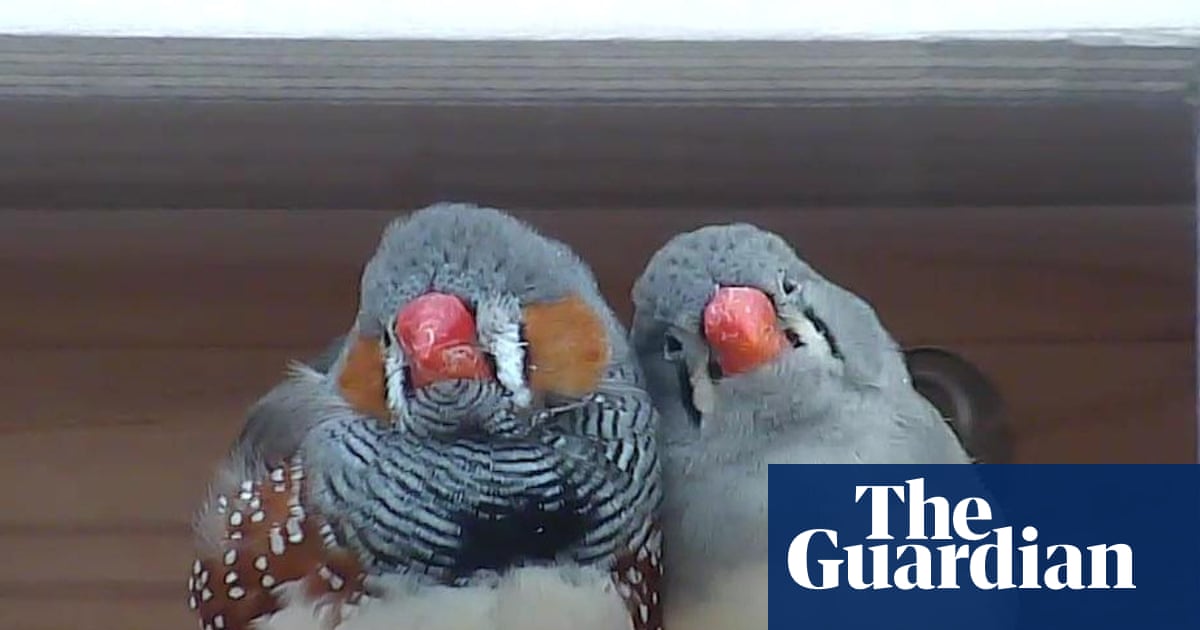
Decoding animal language is the next frontier for multimodal AI. Learn how signal processing is bridging the gap.
30-Second TL;DR
What Changed
Dr. Julie Elie decoded 11 core communication calls in zebra finches
Why It Matters
This research provides valuable insights for AI researchers working on multimodal models and audio pattern recognition. Decoding complex biological communication signals can improve how we train models to interpret non-human data.
What To Do Next
Explore the methodology used in bio-acoustic signal processing to improve your own audio-to-text or pattern recognition models.
Key Points
- •Dr. Julie Elie decoded 11 core communication calls in zebra finches
- •Research provides a foundation for two-way interspecies communication
- •Awarded the 2026 Coller-Dolittle prize for scientific breakthrough
Deep Insight
AI-generated analysis for this event — not the original article.
Enhanced Key Takeaways
- •Dr. Julie Elie utilized a custom-built machine learning architecture named 'Avian-Lexicon-Net' to process over 50,000 hours of zebra finch audio recordings.
- •The research identified that zebra finch calls are context-dependent, meaning the same acoustic signal changes meaning based on the presence of predators or social hierarchy.
- •The Coller-Dolittle prize is a newly established award funded by the Coller Foundation, specifically targeting breakthroughs in non-human communication and bioacoustics.
- •Dr. Elie's methodology involved isolating individual bird vocalizations using high-fidelity directional microphones, overcoming the 'cocktail party problem' inherent in flock environments.
- •The study revealed that zebra finches possess a rudimentary syntax, where the order of specific calls can alter the behavioral response of other flock members.
Technical Deep Dive
- Model Architecture: Avian-Lexicon-Net utilizes a transformer-based encoder-decoder framework adapted for non-linear acoustic signals.
- Data Processing: Employed unsupervised clustering algorithms to categorize vocalizations before supervised fine-tuning with behavioral observation data.
- Signal Analysis: Used wavelet transform analysis to map frequency modulation patterns across the 11 identified calls.
- Hardware: Integrated custom-designed, low-latency acoustic sensors capable of capturing ultrasonic components of finch vocalizations.
Future ImplicationsAI analysis grounded in cited sources
Timeline
- 2023-09Dr. Julie Elie initiates the Zebra Finch Acoustic Mapping Project at the Institute for Bioacoustics.
- 2024-11Publication of preliminary findings on vocalization clustering in the Journal of Avian Biology.
- 2025-08Completion of the 50,000-hour audio dataset collection phase.
- 2026-06Dr. Julie Elie awarded the inaugural Coller-Dolittle prize.
Weekly AI Recap
Read this week's curated digest of top AI events →
Related Updates

AI-curated news aggregator. All content rights belong to original publishers.
Original source: The Guardian Technology ↗
This is a summary, not the original. Read the source, or get the weekly briefing.
The weekly digest
One email a week. Unsubscribe anytime.