ScaleOps Lands $130M Series C for AI Infra
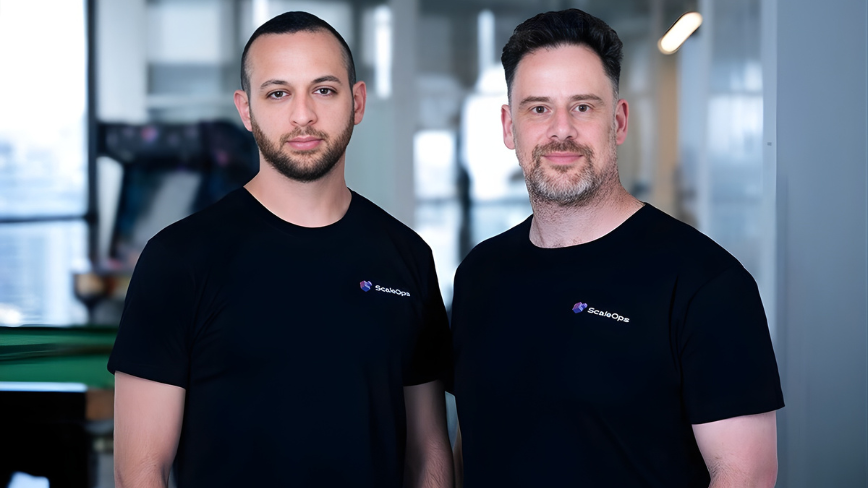
💡AI infra tool ScaleOps booms 350% YoY, raises $130M – optimize your clouds now
⚡ 30-Second TL;DR
What Changed
$130M Series C at >$800M valuation
Why It Matters
ScaleOps' funding enables scaling of autonomous AI infra tools, helping enterprises optimize costs amid booming AI workloads. It validates demand for specialized management in multi-cloud AI environments.
What To Do Next
Request a ScaleOps demo to automate scaling for your Kubernetes-based AI clusters.
Key Points
- •$130M Series C at >$800M valuation
- •Led by Insight Partners
- •350%+ year-on-year growth
- •Customers: Adobe, Wiz, DocuSign, Salesforce
- •Founded by ex-Run:ai engineer
🧠 Deep Insight
AI-generated analysis for this event — not the original article.
🔑 Enhanced Key Takeaways
- •ScaleOps utilizes a proprietary 'automated pod autoscaling' engine that dynamically adjusts resource allocation in real-time based on actual application demand rather than static thresholds.
- •The company's platform is specifically engineered to integrate with Kubernetes environments, focusing on reducing cloud waste by automatically rightsizing CPU and memory requests for microservices.
- •The Series C funding round brings the company's total venture capital raised to approximately $200 million, signaling aggressive expansion plans into the European and Asian markets.
📊 Competitor Analysis▸ Show
| Feature | ScaleOps | CAST AI | Densify |
|---|---|---|---|
| Primary Focus | Automated Pod Autoscaling | Kubernetes Cost Optimization | Cloud Resource Management |
| Pricing Model | Usage-based (Savings-linked) | Percentage of savings | Subscription/Node-based |
| Key Benchmark | Real-time pod-level rightsizing | Automated cluster rebalancing | Predictive analytics/policy-driven |
🛠️ Technical Deep Dive
- Dynamic Resource Allocation: Operates as a Kubernetes controller that continuously monitors pod-level metrics to adjust resource requests and limits without requiring application restarts.
- AI-Driven Predictive Scaling: Uses machine learning models to analyze historical traffic patterns and predict future resource requirements, proactively scaling infrastructure before demand spikes occur.
- Multi-Cloud Compatibility: Designed to be cloud-agnostic, supporting EKS (AWS), GKE (Google Cloud), and AKS (Azure) environments through a unified control plane.
- Integration Layer: Deploys as a lightweight agent within the customer's Kubernetes cluster, communicating with the ScaleOps SaaS backend for policy enforcement and optimization recommendations.
🔮 Future ImplicationsAI analysis grounded in cited sources
⏳ Timeline
Weekly AI Recap
Read this week's curated digest of top AI events →
👉Related Updates



AI-curated news aggregator. All content rights belong to original publishers.
Original source: The Next Web (TNW) ↗
This is a summary, not the original. Read the source, or get the weekly briefing.
Weekly AI briefing
One email a week. Unsubscribe anytime.