💰钛媒体•Stalecollected in 5m
Saving Childhood Memories: The Retro Gaming Rescue
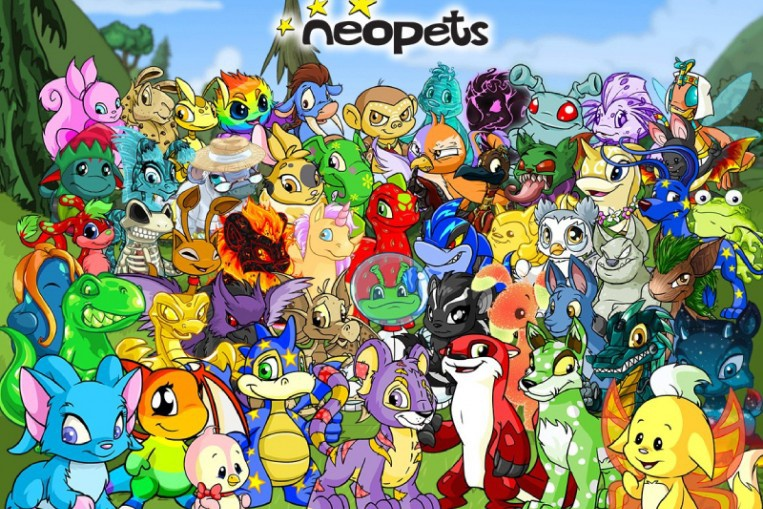
💡Learn how digital preservationists are using modern tech to save legacy software from extinction.
⚡ 30-Second TL;DR
What Changed
Focus on rescuing classic games from permanent server shutdowns.
Why It Matters
Digital preservation is increasingly relying on AI for automated emulation and asset recovery of legacy software.
What To Do Next
Investigate AI-assisted reverse engineering tools like Ghidra or custom LLM agents to automate legacy code analysis.
Who should care:Creators & Designers
Key Points
- •Focus on rescuing classic games from permanent server shutdowns.
- •The effort targets the preservation of Western gaming history.
- •Transition from corporate executive to digital preservationist.
🧠 Deep Insight
Web-grounded analysis with 14 cited sources.
🔑 Enhanced Key Takeaways
- •A 2023 study by the Video Game History Foundation (VGHF) revealed that 87% of video games released in the United States before 2010 are either lost or at significant risk of being lost, underscoring the vast scale and urgency of the preservation challenge.
- •Legal and commercial complexities, such as restrictive copyright laws and the 'work for hire' nature of game development, often prevent the official release of source code, even when available, and publishers frequently find full game preservation cost-prohibitive for all but their most successful titles.
- •Advocacy groups like 'Stop Killing Games,' founded in 2024, are actively pushing for legislative measures, such as California's AB 1921 bill, to mandate that publishers provide continued play options (e.g., offline modes, private server software, or refunds) when online game servers are shut down.
- •The shift towards digital distribution and 'games as a service' models, where titles are constantly updated with patches, DLC, and microtransactions, complicates preservation by making it difficult to define and archive a definitive 'finished state' of a game, and the eventual closure of digital storefronts leads to permanent loss of access.
- •Beyond software, the physical degradation and technological obsolescence of specialized video game hardware, including consoles and arcade machines, present significant preservation hurdles, as modern systems are often incompatible with older software, and repairing or emulating original hardware becomes increasingly difficult.
🛠️ Technical Deep Dive
- Emulation: Utilizes software tools to mimic original hardware environments, enabling classic games to run on contemporary devices.
- Source Code and Asset Archiving: Involves collecting and storing original development source code, design documents, raw art assets, and development tools. The Video Game History Foundation initiated a Video Game Source Project in October 2020 for this purpose.
- Hardware Preservation: Focuses on maintaining and preserving physical video game hardware, such as arcade cabinets and consoles, and reverse engineering their internal workings when possible to understand and replicate their functionality.
- Digitization of Print Media: Involves scanning and digitally archiving physical game-related magazines, manuals, and books to preserve historical context and documentation.
- Offline Play Solutions: Development and provision of offline installers or patches that allow games to function without continuous online server connectivity, a key feature of initiatives like GOG's Preservation Program and a demand from groups like 'Stop Killing Games.'
- Community-Driven Server Emulation: Fan communities often reverse-engineer proprietary server software to create and maintain private servers, allowing discontinued online games to remain playable.
🔮 Future ImplicationsAI analysis grounded in cited sources
Legislative action will increasingly shape video game preservation.
The growing momentum behind initiatives like 'Stop Killing Games' and proposed bills such as California's AB 1921 indicates a shift towards legally compelling publishers to ensure game playability after server shutdowns, moving beyond voluntary preservation efforts.
The video game industry will adopt more proactive 'end-of-life' planning for online games.
The increasing pressure from consumer rights groups and the technical feasibility of providing solutions like offline modes or server software will incentivize developers to integrate preservation strategies from the initial design phase of online-dependent titles.
Collaborative efforts between preservationists, developers, and communities will become more critical for comprehensive game preservation.
The complex challenges of preserving modern, evolving games, coupled with legal and technical hurdles, necessitate a multi-faceted approach that integrates the work of official archives, commercial platforms, and dedicated fan communities.
⏳ Timeline
1981
Don James begins his 43-year career at Nintendo of America, playing a pivotal role in bringing beloved systems and games to American audiences.
2023
A study by the Video Game History Foundation (VGHF) reports that 87% of video games released in the U.S. before 2010 are at risk of being lost, highlighting the urgent need for preservation efforts.
2024
Don James retires from Nintendo of America after a distinguished 43-year career.
2024
The 'Stop Killing Games' initiative is founded by YouTuber Ross Scott, advocating for consumer rights and game preservation in the face of server shutdowns.
2025-02
Don James receives the Lifetime Achievement Award from the Academy of Interactive Arts & Sciences (AIAS) for his contributions to the video game industry.
2025-11
Don James is elected to the Board of Trustees for The Strong National Museum of Play, a leading institution dedicated to collecting, preserving, and sharing the history of electronic games.
📎 Sources (14)
Factual claims are grounded in the sources below. Forward-looking analysis is AI-generated interpretation.
📰
Weekly AI Recap
Read this week's curated digest of top AI events →
👉Related Updates

AI-curated news aggregator. All content rights belong to original publishers.
Original source: 钛媒体 ↗