Samsung's $73B Chip and AI Push in 2026
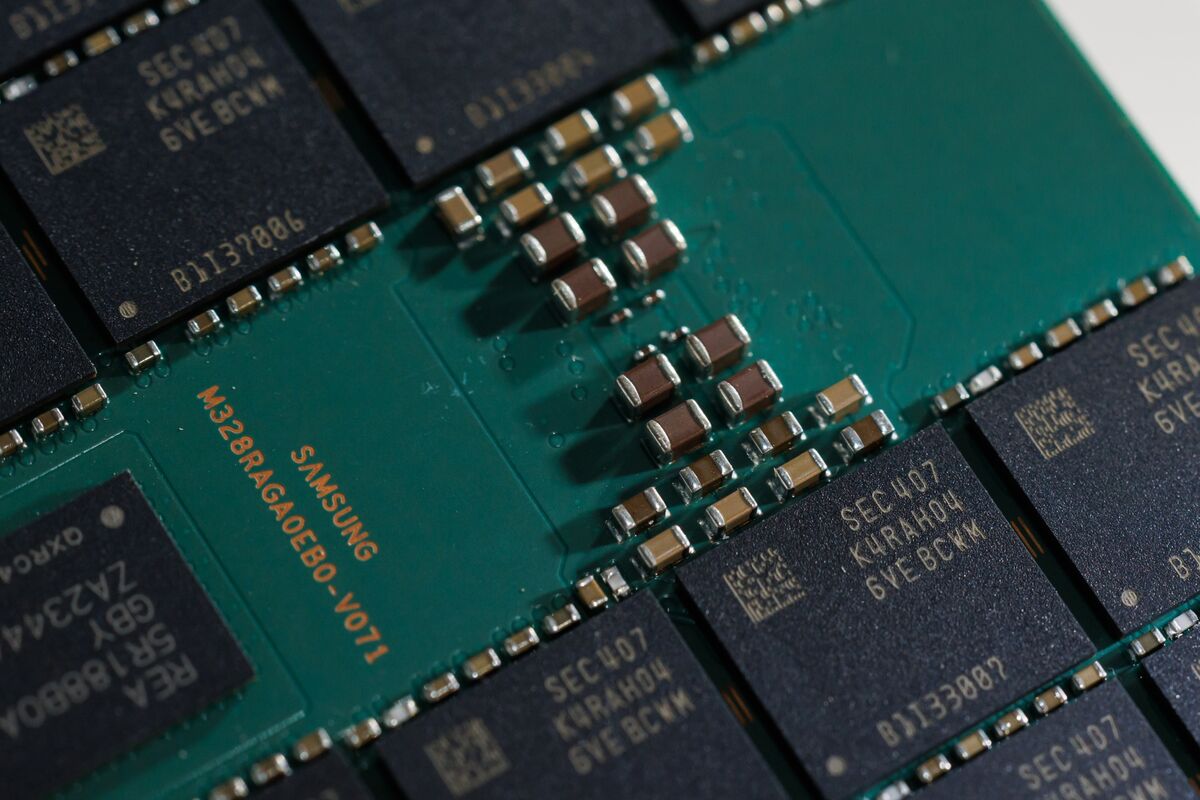
💡Samsung's $73B chip capex boosts AI memory supply chain stability.
⚡ 30-Second TL;DR
What Changed
Samsung to spend 110 trillion won ($73.3B) on capex and R&D in 2026
Why It Matters
This massive investment signals Samsung's commitment to AI infrastructure, potentially stabilizing memory chip supply for AI training and inference amid global demand surge. It could lower costs for AI practitioners reliant on high-bandwidth memory.
What To Do Next
Evaluate Samsung HBM roadmap updates for your next AI cluster procurement.
Key Points
- •Samsung to spend 110 trillion won ($73.3B) on capex and R&D in 2026
- •Focus on expanding memory chip production capacity
- •Includes exploration into AI and related fields
🧠 Deep Insight
Background and context from public sources — not the original article. 5 sources cited.
🔑 Enhanced Key Takeaways
- •Samsung plans to triple its foundry chip production capacity by 2026 through expansions in Pyeongtaek, South Korea, and potential new U.S. facilities[1].
- •Memory shortages expected in 2026 due to production shifts toward high-margin HBM for AI, causing DRAM prices to rise 47% per Gartner forecast[2].
- •Samsung extending DDR4 production through December 2026 amid supply shortages and price surges, prioritizing enterprise contracts over consumer markets[3].
- •Samsung considering 3-5 year memory chip supply contracts to stabilize supply chains amid volatility[4].
🔮 Future ImplicationsAI analysis grounded in cited sources
⏳ Timeline
📎 Sources (5)
Factual claims are grounded in the sources below. Forward-looking analysis is AI-generated interpretation.
- design-reuse.com — 11012 Samsung Plans to Triple Foundry Chip Production Capacity by 2026
- networkworld.com — Samsung Warns of Memory Shortages Driving Industry Wide Price Surge in 2026
- microchipusa.com — Samsung and Sk Hynix Extend Ddr4 Lifecycles
- longbridge.com — 279552583
- koreajoongangdaily.joins.com — 2540153
Weekly AI Recap
Read this week's curated digest of top AI events →
👉Related Updates
AI-curated news aggregator. All content rights belong to original publishers.
Original source: Bloomberg Technology ↗
This is a summary, not the original. Read the source, or get the weekly briefing.
Weekly AI briefing
One email a week. Unsubscribe anytime.