Risks in independent energy storage development
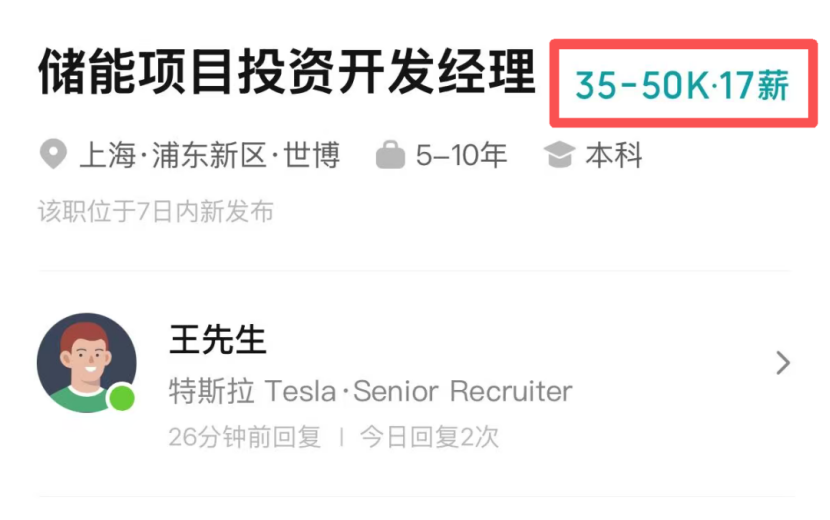
💡Energy stability is the bottleneck for AI scaling; understand the risks in the grid-scale storage market.
⚡ 30-Second TL;DR
What Changed
Financial instability among project investors is causing project abandonment
Why It Matters
The instability in this sector may delay the integration of renewable energy sources, which are critical for powering large-scale AI data centers.
What To Do Next
If building AI data centers, conduct rigorous due diligence on energy infrastructure partners to avoid supply chain disruptions.
Key Points
- •Financial instability among project investors is causing project abandonment
- •High operational complexity in independent energy storage development
- •Market volatility is impacting the viability of large-scale storage projects
🧠 Deep Insight
AI-generated analysis for this event — not the original article.
🔑 Enhanced Key Takeaways
- •The 'capacity leasing' business model, once a primary revenue driver for independent energy storage, is facing severe margin compression due to oversupply and declining ancillary service prices.
- •Grid-side independent energy storage projects are increasingly struggling with 'dispatch priority' issues, where market rules often favor utility-owned assets over independent developers during peak demand.
- •A significant shift toward 'shared energy storage' models is occurring, where developers are forced to bundle storage with renewable generation assets to secure long-term power purchase agreements (PPAs) rather than relying on spot market arbitrage.
- •Regulatory bodies in major markets are tightening technical standards for battery safety and fire suppression, significantly increasing the CAPEX requirements for independent developers already facing liquidity crunches.
- •The lack of standardized 'capacity payment' mechanisms in many regional electricity markets leaves independent storage projects without a reliable baseline revenue stream, making them highly sensitive to volatile frequency regulation price swings.
🛠️ Technical Deep Dive
- Energy Management Systems (EMS) are shifting from simple peak-shaving algorithms to AI-driven predictive dispatch models that integrate real-time weather data, grid frequency signals, and wholesale electricity price forecasting.
- Battery Energy Storage Systems (BESS) are transitioning from LFP (Lithium Iron Phosphate) to higher-density, longer-duration chemistries like Sodium-ion or flow batteries to mitigate degradation costs associated with high-cycle frequency regulation.
- Implementation of 'Virtual Power Plant' (VPP) software layers is becoming mandatory for independent storage to aggregate distributed assets and participate in wholesale markets, requiring complex API integration with Transmission System Operators (TSOs).
🔮 Future ImplicationsAI analysis grounded in cited sources
⏳ Timeline
Weekly AI Recap
Read this week's curated digest of top AI events →
👉Related Updates

AI-curated news aggregator. All content rights belong to original publishers.
Original source: 钛媒体 ↗
This is a summary, not the original. Read the source, or get the weekly briefing.
Weekly AI briefing
One email a week. Unsubscribe anytime.