Rio Tinto uses AI to document legacy manufacturing systems
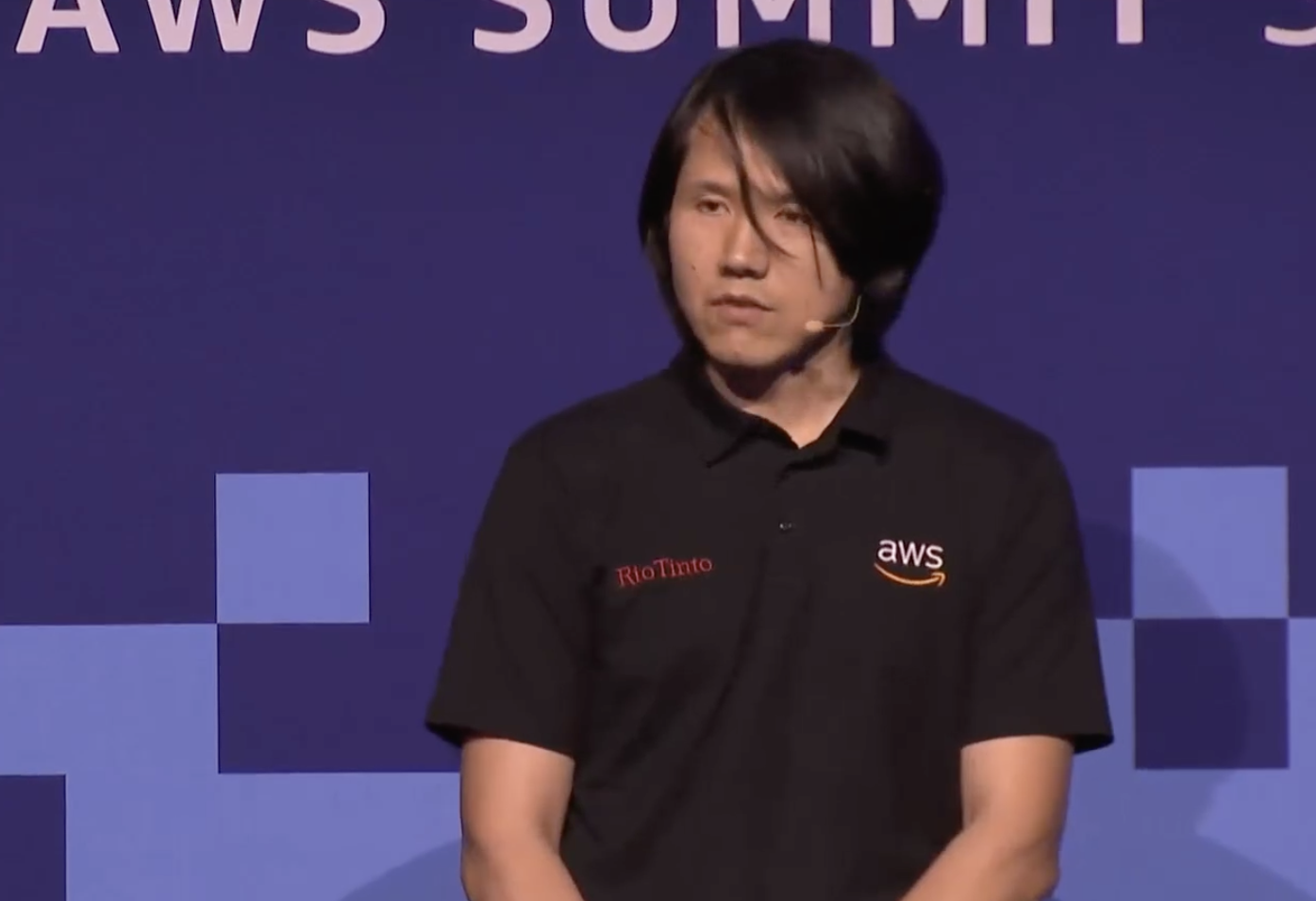
💡See how AI is being used to modernize 30-year-old industrial infrastructure and preserve critical institutional knowledg
⚡ 30-Second TL;DR
What Changed
AI is being used to reverse-engineer and document legacy manufacturing processes.
Why It Matters
This highlights the growing trend of using LLMs and computer vision to bridge the gap between legacy industrial hardware and modern digital management. It demonstrates how AI can prevent 'knowledge rot' in heavy industry.
What To Do Next
If you are working in industrial automation, explore using RAG-based systems to ingest legacy technical manuals and maintenance logs to create an AI-powered expert assistant.
Key Points
- •AI is being used to reverse-engineer and document legacy manufacturing processes.
- •The project focuses on aluminium operations in Australia and New Zealand.
- •The initiative addresses the challenge of maintaining knowledge for systems built three decades ago.
🧠 Deep Insight
Web-grounded analysis with 7 cited sources.
🔑 Enhanced Key Takeaways
- •The AI initiative specifically targets a 30-year-old Manufacturing Execution System (MES) named Metpro, which manages the entire aluminium product lifecycle from tapping to shipments across Rio Tinto's Australia and New Zealand operations.
- •Rio Tinto is leveraging Amazon Bedrock Knowledge Bases and Amazon Bedrock AgentCore, with Amazon SageMaker AI Jumpstart and Llama 3.1 8B as the initial inference model, to power its AI domain assistant.
- •The project aims to centralize fragmented technical documentation, which was spread across thousands of documents, and to map undocumented system dependencies that previously led to slow engineer onboarding and high change risks.
- •This AI-driven documentation effort is a strategic move to retain and operationalize decades of embedded institutional knowledge within the Metpro system, rather than attempting a costly and disruptive rewrite or replacement of the deeply integrated legacy platform.
- •The deployment of this AI domain assistant is part of Rio Tinto's broader digital transformation strategy, which includes initiatives like the 'Mine of the Future' and the Safe Production System (SPS) launched in 2021, focusing on improving operational efficiency and innovation through technology.
🛠️ Technical Deep Dive
- The core AI tools utilized include Amazon Bedrock Knowledge Bases and Amazon Bedrock AgentCore.
- For model inference, Amazon SageMaker AI Jumpstart is employed, with Llama 3.1 8B serving as the initial foundation model.
- The system was trained using a "domain-aligned training dataset" created by combining the Metpro code base with "business and operational context."
- The AI domain assistant is designed to capture and expose embedded knowledge, dependencies, and decision logic within the legacy Metpro system.
- This approach allows for the creation of a "GPT-style knowledge assistant" to make complex system information discoverable.
🔮 Future ImplicationsAI analysis grounded in cited sources
⏳ Timeline
📎 Sources (7)
Factual claims are grounded in the sources below. Forward-looking analysis is AI-generated interpretation.
Weekly AI Recap
Read this week's curated digest of top AI events →
👉Related Updates
AI-curated news aggregator. All content rights belong to original publishers.
Original source: iTNews Australia ↗