Revisiting China's Economic Transition and Future Growth
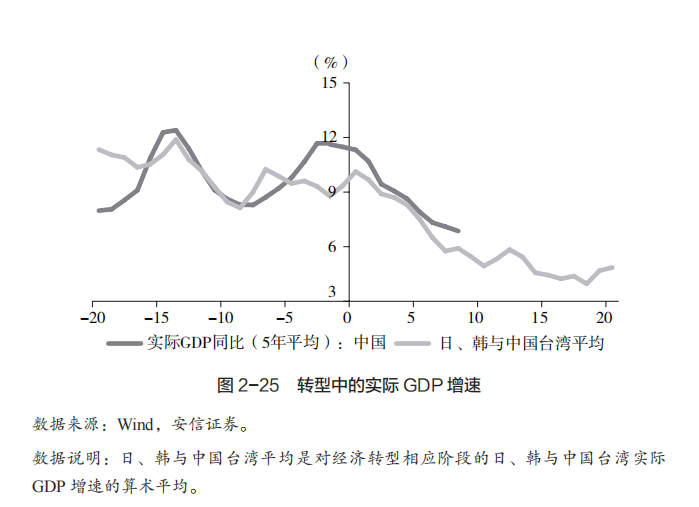
💡Gain insights into the long-term economic structural changes that will shape the Chinese tech landscape.
⚡ 30-Second TL;DR
What Changed
China's economic growth is shifting from imitation/chasing to autonomous innovation.
Why It Matters
Understanding these structural shifts is vital for AI companies planning long-term market entry and resource allocation in China.
What To Do Next
Adjust your long-term business model to account for a lower-growth, innovation-focused economic environment in China.
Key Points
- •China's economic growth is shifting from imitation/chasing to autonomous innovation.
- •The era of high-speed urbanization is nearing its end, impacting long-term growth.
- •High leverage ratios are linked to persistent reliance on infrastructure and real estate stimulus.
🧠 Deep Insight
AI-generated analysis for this event — not the original article.
🔑 Enhanced Key Takeaways
- •China's 'New Three' industries—electric vehicles, lithium-ion batteries, and solar cells—have replaced traditional real estate as the primary drivers of export growth, reflecting the structural pivot toward high-end manufacturing.
- •The 'Dual Circulation' strategy, introduced in 2020, remains the core policy framework, aiming to reduce external dependency by bolstering domestic consumption while maintaining export competitiveness.
- •Demographic headwinds, specifically a shrinking working-age population and a rising dependency ratio, are forcing a transition toward capital-deepening and automation to maintain total factor productivity.
- •Local government debt, largely accumulated through Local Government Financing Vehicles (LGFVs), is undergoing a massive restructuring process to mitigate systemic financial risks associated with the decline of land-based fiscal revenue.
- •The 'Digital China' initiative is accelerating the integration of AI and big data into traditional industrial sectors, aiming to achieve a 10% increase in industrial efficiency by 2027.
🔮 Future ImplicationsAI analysis grounded in cited sources
⏳ Timeline
Weekly AI Recap
Read this week's curated digest of top AI events →
👉Related Updates

AI-curated news aggregator. All content rights belong to original publishers.
Original source: 虎嗅 ↗
This is a summary, not the original. Read the source, or get the weekly briefing.
Weekly AI briefing
One email a week. Unsubscribe anytime.