Quantum Computers to Break Encryption Sooner
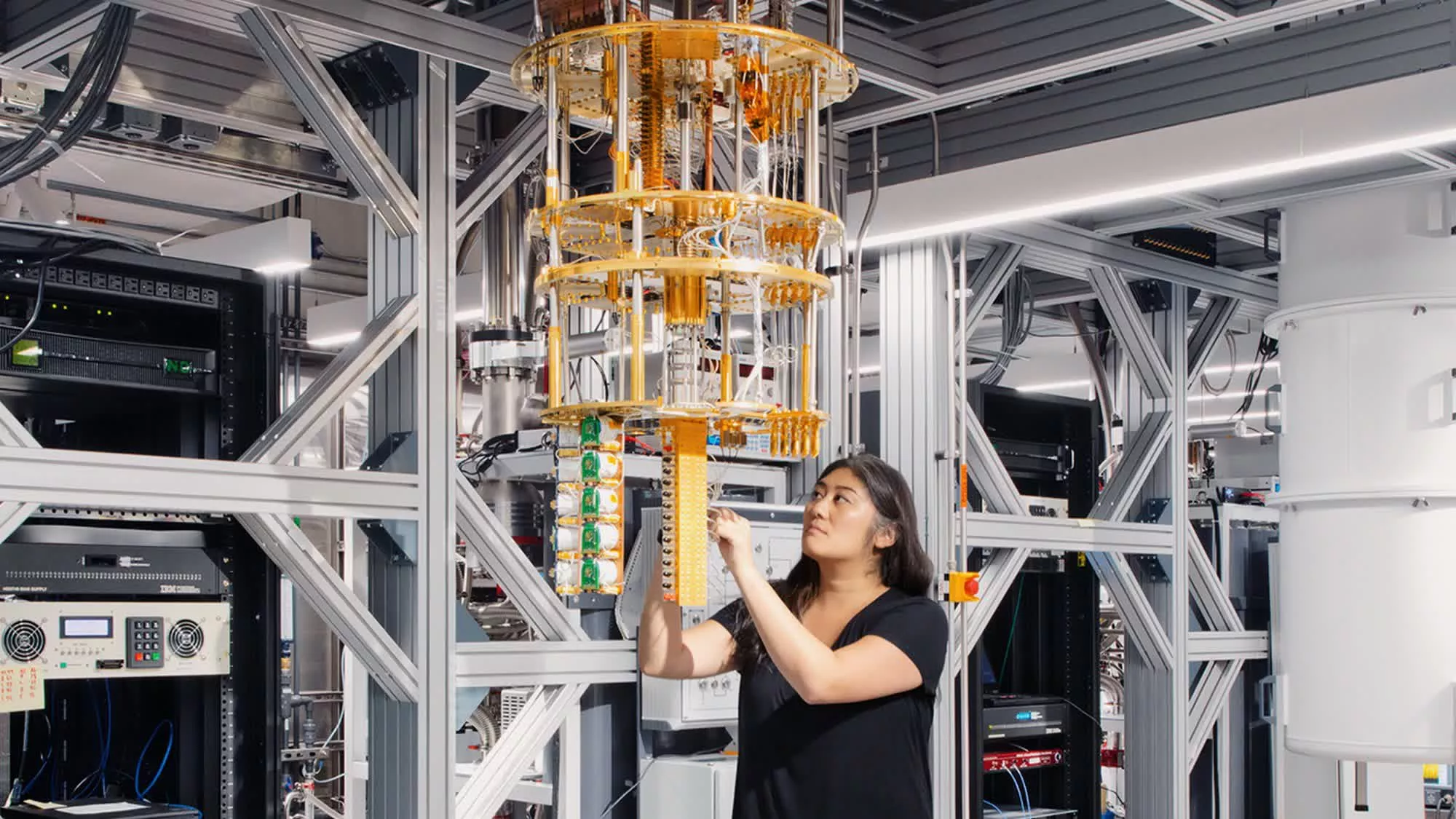
💡Quantum crypto threat arrives sooner—secure your AI infra now!
⚡ 30-Second TL;DR
What Changed
CRQC quantum computers need smaller scale for RSA/ECC breaks
Why It Matters
Prompts urgent shift to post-quantum cryptography for AI data security. Practitioners must reassess encryption in models and pipelines to avoid future breaches.
What To Do Next
Audit AI systems using RSA/ECC and pilot NIST PQC standards like Kyber.
Key Points
- •CRQC quantum computers need smaller scale for RSA/ECC breaks
- •Scale far below previous mainstream predictions
- •Threatens foundations of current digital encryption
- •Accelerates timeline for quantum crypto attacks
🧠 Deep Insight
AI-generated analysis for this event — not the original article.
🔑 Enhanced Key Takeaways
- •Recent algorithmic breakthroughs, specifically optimizations to Regev's algorithm, have significantly reduced the number of logical qubits required to execute Shor's algorithm for integer factorization.
- •The shift in threat assessment focuses on the transition from physical qubit counts to logical qubit requirements, where error correction overhead is now estimated to be lower than previously modeled.
- •NIST's Post-Quantum Cryptography (PQC) standardization process is being pressured to accelerate deployment timelines as the 'Q-Day' window for RSA-2048 and ECC-256 is now projected to arrive sooner than the 2030s.
🛠️ Technical Deep Dive
- •Reduction in T-gate complexity: New research demonstrates that the number of T-gates required for RSA-2048 factorization can be reduced by several orders of magnitude compared to original Shor's algorithm implementations.
- •Logical Qubit Efficiency: The threshold for fault-tolerant quantum computing is being redefined by surface code improvements, allowing for smaller logical qubit arrays to maintain coherence during long-duration factorization tasks.
- •Memory-Time Trade-offs: Advanced quantum algorithms are increasingly utilizing memory-efficient approaches that allow smaller quantum processors to perform the necessary modular exponentiation steps by trading off computation time.
🔮 Future ImplicationsAI analysis grounded in cited sources
⏳ Timeline
Weekly AI Recap
Read this week's curated digest of top AI events →
👉Related Updates




AI-curated news aggregator. All content rights belong to original publishers.
Original source: cnBeta (Full RSS) ↗
This is a summary, not the original. Read the source, or get the weekly briefing.
Weekly AI briefing
One email a week. Unsubscribe anytime.