Quantonation Closes €220M Quantum Fund
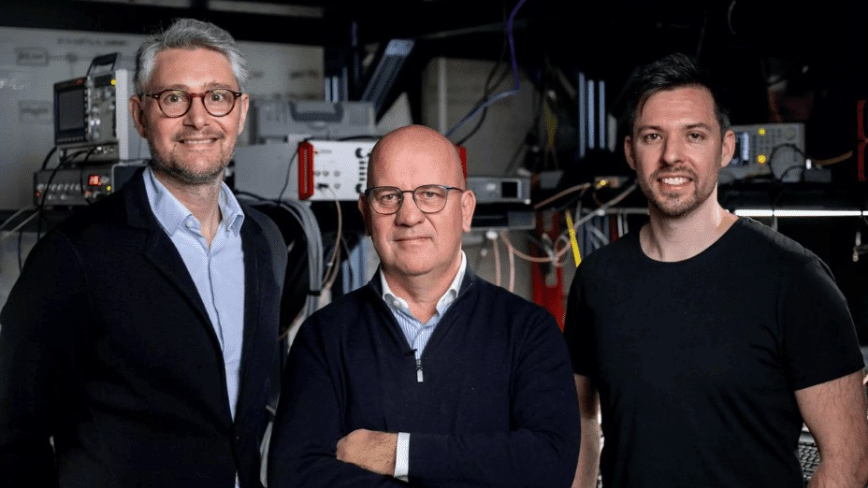
💡€220M quantum fund doubles down on Europe's physics tech for AI infra
⚡ 30-Second TL;DR
What Changed
€220M second fund closed successfully
Why It Matters
Strengthens Europe's quantum ecosystem, enabling hybrid quantum-AI breakthroughs for practitioners in compute-intensive fields.
What To Do Next
Review Quantonation's portfolio on their site for quantum-AI startup investment opportunities.
Key Points
- •€220M second fund closed successfully
- •Double the size of inaugural fund
- •Invests in quantum computing, materials, sensing
🧠 Deep Insight
Background and context from public sources — not the original article. 7 sources cited.
🔑 Enhanced Key Takeaways
- •Quantonation Ventures closed its second fund, Quantonation II, at €220 million, exceeding the €200 million target and becoming oversubscribed[1].
- •The fund more than doubles the size of its inaugural fund, bringing total assets under management to approximately €325 million, positioning it as the world's leading quantum technology VC fund[1].
- •Focus areas include quantum computing, materials science, sensing, and broader physics-based technologies, supporting nearly 40 companies, venture labs in global academic centers, and partnerships with industrial players[1].
- •The closing underscores Europe's quantum momentum and a shift toward industrialization with structured use cases and strengthened production capabilities[1].
- •Backed by international investors including Toshiba, confirming growing global interest in quantum technologies[5].
🔮 Future ImplicationsAI analysis grounded in cited sources
This €220M fund closure signals quantum technology's transition from niche research to industrialization, enabling structured use cases, enhanced production, and deployment, while positioning Quantonation as the global VC leader to drive Europe's competitiveness in physics-based tech critical for AI advancements[1].
📎 Sources (7)
Factual claims are grounded in the sources below. Forward-looking analysis is AI-generated interpretation.
- marketscreener.com — Success of Quantonation Ventures Second Fund Audacia S Partner Ce7e5ddeda80fe26
- binance.com — 292867118020801
- binance.com — 292867118020801
- tipranks.com — Quantum Sector Seen Advancing From Niche Science to Public Market Asset Class
- tech.eu — From Repression to Relocation How Belarusian Founders Are Powering Polands Next Tech Boom
- tipranks.com — Quantum Technology Seen Moving From Niche Bet to Capital Intensive Public Market Sector
- cybersecurityventures.com — Cybersecurity Venture Capital Vc Deals
Weekly AI Recap
Read this week's curated digest of top AI events →
👉Related Updates


AI-curated news aggregator. All content rights belong to original publishers.
Original source: The Next Web (TNW) ↗
This is a summary, not the original. Read the source, or get the weekly briefing.
Weekly AI briefing
One email a week. Unsubscribe anytime.