📱Engadget•Stalecollected in 28m
Publishers Sue Meta Over Llama Scraping
💡Llama copyright suit may reshape AI data scraping rules—check your pipelines.
⚡ 30-Second TL;DR
What Changed
Class action suit by book publishers
Why It Matters
Could set precedents for AI training data usage. Impacts open-source LLM development and data sourcing strategies.
What To Do Next
Review your LLM training datasets for potential copyright risks from book sources.
Who should care:Founders & Product Leaders
Key Points
- •Class action suit by book publishers
- •Accuses Meta of copyright infringement
- •Concerns unauthorized scraping for Llama AI
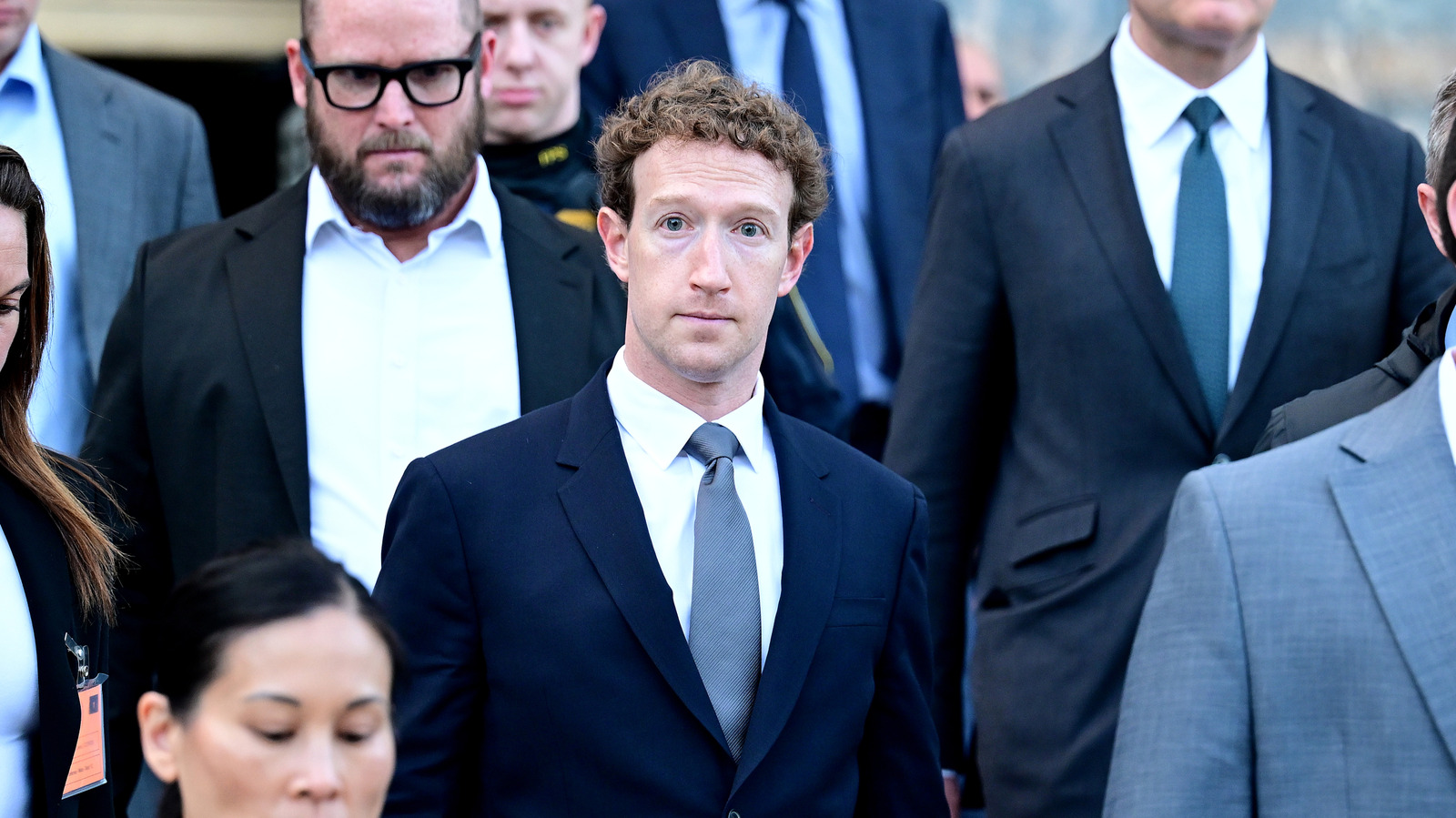
- •Targets Zuckerberg personally
🧠 Deep Insight
AI-generated analysis for this event.
🔑 Enhanced Key Takeaways
- •The lawsuit specifically cites the use of the 'Books3' dataset, a controversial collection of approximately 196,000 pirated books, which plaintiffs claim Meta utilized to train Llama models despite internal awareness of copyright issues.
- •Plaintiffs are seeking statutory damages for willful copyright infringement and are requesting an injunction that would require Meta to destroy any Llama model versions trained on the disputed copyrighted material.
- •Legal experts note that this case hinges on the 'transformative use' doctrine under fair use, with Meta likely to argue that training LLMs constitutes a non-expressive, functional use of data rather than a direct reproduction of the protected works.
📊 Competitor Analysis▸ Show
| Feature | Meta (Llama) | OpenAI (GPT) | Anthropic (Claude) |
|---|---|---|---|
| Training Data Transparency | Limited (Proprietary) | Limited (Proprietary) | Limited (Proprietary) |
| Licensing Model | Open Weights (Community) | Closed API | Closed API |
| Copyright Litigation Status | High (Multiple Class Actions) | High (Multiple Class Actions) | Moderate (Ongoing) |
🛠️ Technical Deep Dive
- Llama models utilize a Transformer-based architecture with a decoder-only design.
- Training involves massive-scale pre-training on diverse corpora, including Common Crawl, Wikipedia, and specialized datasets like Books3.
- The core technical dispute involves the 'tokenization' process, where copyrighted text is converted into numerical vectors, which plaintiffs argue creates an unauthorized derivative work.
🔮 Future ImplicationsAI analysis grounded in cited sources
Mandatory data provenance standards will be adopted by major AI labs.
Ongoing litigation is forcing companies to move away from 'black box' training data to mitigate legal liability and satisfy emerging regulatory requirements.
AI training costs will increase significantly due to licensing requirements.
If courts rule that scraping copyrighted books is not fair use, Meta and other AI firms will be forced to pay licensing fees for high-quality training data, ending the era of 'free' web scraping.
⏳ Timeline
2023-07
Meta releases Llama 2, sparking initial industry scrutiny over training data sources.
2024-04
Meta releases Llama 3, significantly expanding the scale of its training corpus.
2025-09
Meta announces Llama 4, with increased focus on multimodal capabilities and expanded data ingestion.
2026-05
Book publishers file formal class action lawsuit against Meta and Mark Zuckerberg.
📰
Weekly AI Recap
Read this week's curated digest of top AI events →
👉Related Updates
AI-curated news aggregator. All content rights belong to original publishers.
Original source: Engadget ↗