Professor Slams Robot Dancing as Vulgar, Sparks Debate
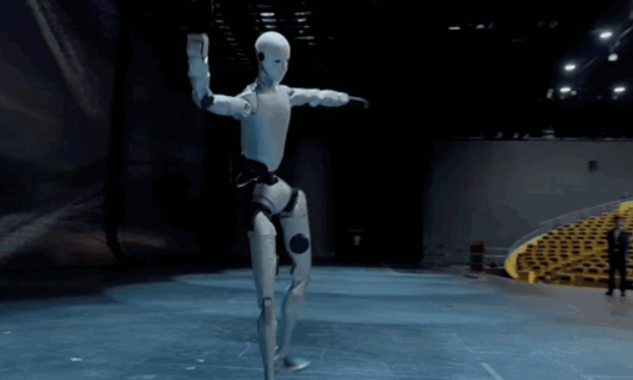
💡Exposes cultural biases against robot demos, crucial for embodied AI perception and adoption.
⚡ 30-Second TL;DR
What Changed
Zheng Qiang denounces robot dancing as vulgar and low-end in public speech.
Why It Matters
Reveals cultural resistance to entertainment-focused robotics, which could slow adoption of embodied AI in consumer applications and affect funding priorities.
What To Do Next
Prototype expressive robot motions with ROS2 to demonstrate sophisticated control beyond basic dancing.
Key Points
- •Zheng Qiang denounces robot dancing as vulgar and low-end in public speech.
- •Comments trigger backlash from scholars and industry experts.
- •Critics highlight overlooked technical merits in robotics choreography.
- •Debate raises concerns over biasing public view on robotics innovation.
🧠 Deep Insight
AI-generated analysis for this event — not the original article.
🔑 Enhanced Key Takeaways
- •Zheng Qiang's critique specifically targeted the use of humanoid robots in commercial entertainment settings, which he characterized as a misuse of high-level engineering resources.
- •The backlash includes counter-arguments from robotics engineers who emphasize that 'dancing' serves as a critical stress test for dynamic balance, motor control, and real-time motion planning algorithms.
- •The debate has evolved into a broader national conversation in China regarding the 'utility vs. spectacle' dilemma in state-funded versus private-sector robotics research.
🔮 Future ImplicationsAI analysis grounded in cited sources
Weekly AI Recap
Read this week's curated digest of top AI events →
👉Related Updates
AI-curated news aggregator. All content rights belong to original publishers.
Original source: cnBeta (Full RSS) ↗
This is a summary, not the original. Read the source, or get the weekly briefing.
The weekly digest
One email a week. Unsubscribe anytime.