Pony.ai and Uber Target 2,000 European Robotaxis
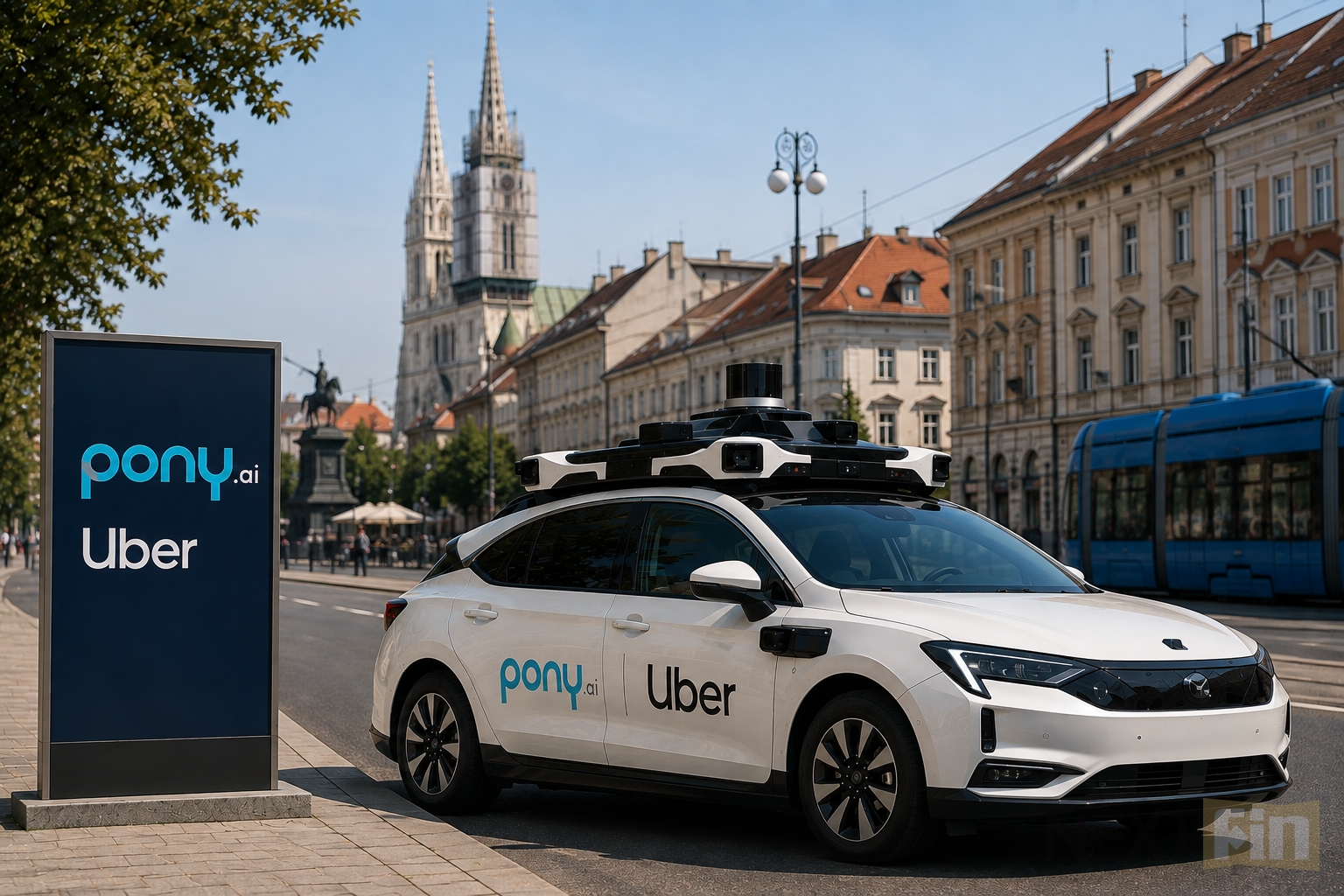
💡A 2,000-plus robotaxi plan tests whether autonomous mobility can scale beyond pilots in Europe.
⚡ 30-Second TL;DR
What Changed
Pony.ai and Uber are expanding their Zagreb robotaxi pilot into a multi-city European operation.
Why It Matters
If executed, the partnership could give Pony.ai a significant European deployment channel and provide Uber with broader access to autonomous mobility technology. However, fragmented regulations and uncertain operating costs may slow expansion or limit the viable cities.
What To Do Next
Build a city-by-city deployment model that combines autonomous-vehicle permitting requirements with robotaxi fleet utilization and operating-cost assumptions.
Key Points
- •Pony.ai and Uber are expanding their Zagreb robotaxi pilot into a multi-city European operation.
- •The proposed fleet could exceed 2,000 robotaxis across Europe.
- •Regulatory approval and fleet economics remain the main barriers to scale.
🧠 Deep Insight
AI-generated analysis for this event.
🔑 Enhanced Key Takeaways
- •Pony.ai utilizes its proprietary 'PonyBrain' autonomous driving system, which integrates multi-sensor fusion technology including LiDAR, radar, and cameras to handle complex urban environments.
- •The partnership leverages Uber's existing mobility infrastructure and user base, allowing Pony.ai to bypass the high customer acquisition costs typically associated with launching new ride-hailing services.
- •Zagreb was selected as the initial pilot site due to its favorable regulatory sandbox environment for autonomous vehicle testing compared to more restrictive major Western European capitals.
- •The expansion strategy involves a 'light-asset' model where Pony.ai focuses on the autonomous stack and fleet operations, while Uber manages the demand-side platform and local market integration.
- •Pony.ai recently completed a successful IPO on the NASDAQ (under the ticker PONY) in late 2024, providing the necessary capital infusion to fund international expansion efforts like the European robotaxi fleet.
📊 Competitor Analysis▸ Show
| Feature | Pony.ai / Uber | Waymo (Alphabet) | Tesla (Cybercab) |
|---|---|---|---|
| Primary Market | Asia / Europe | North America | Global (Consumer/Fleet) |
| Tech Approach | Multi-sensor Fusion | LiDAR-heavy | Vision-only |
| Business Model | Partnership/Platform | Vertically Integrated | Direct-to-Consumer/Fleet |
| Regulatory Status | Pilot/Expansion | Commercial/Operational | Testing/Development |
🛠️ Technical Deep Dive
- PonyBrain Architecture: Employs a deep learning-based perception system capable of real-time 3D object detection and trajectory prediction.
- Sensor Suite: Utilizes high-resolution LiDAR sensors combined with long-range cameras and millimeter-wave radar for redundancy in adverse weather conditions.
- V2X Integration: Incorporates Vehicle-to-Everything communication protocols to interact with smart traffic infrastructure in European urban centers.
- Fleet Management: Uses a cloud-based dispatch system that optimizes vehicle routing and battery management for electric robotaxi fleets.
🔮 Future ImplicationsAI analysis grounded in cited sources
⏳ Timeline
Weekly AI Recap
Read this week's curated digest of top AI events →
👉Related Updates


AI-curated news aggregator. All content rights belong to original publishers.
Original source: 钛媒体 ↗