Pixel 11 Adds Cost, Keeps Its Winning Formula
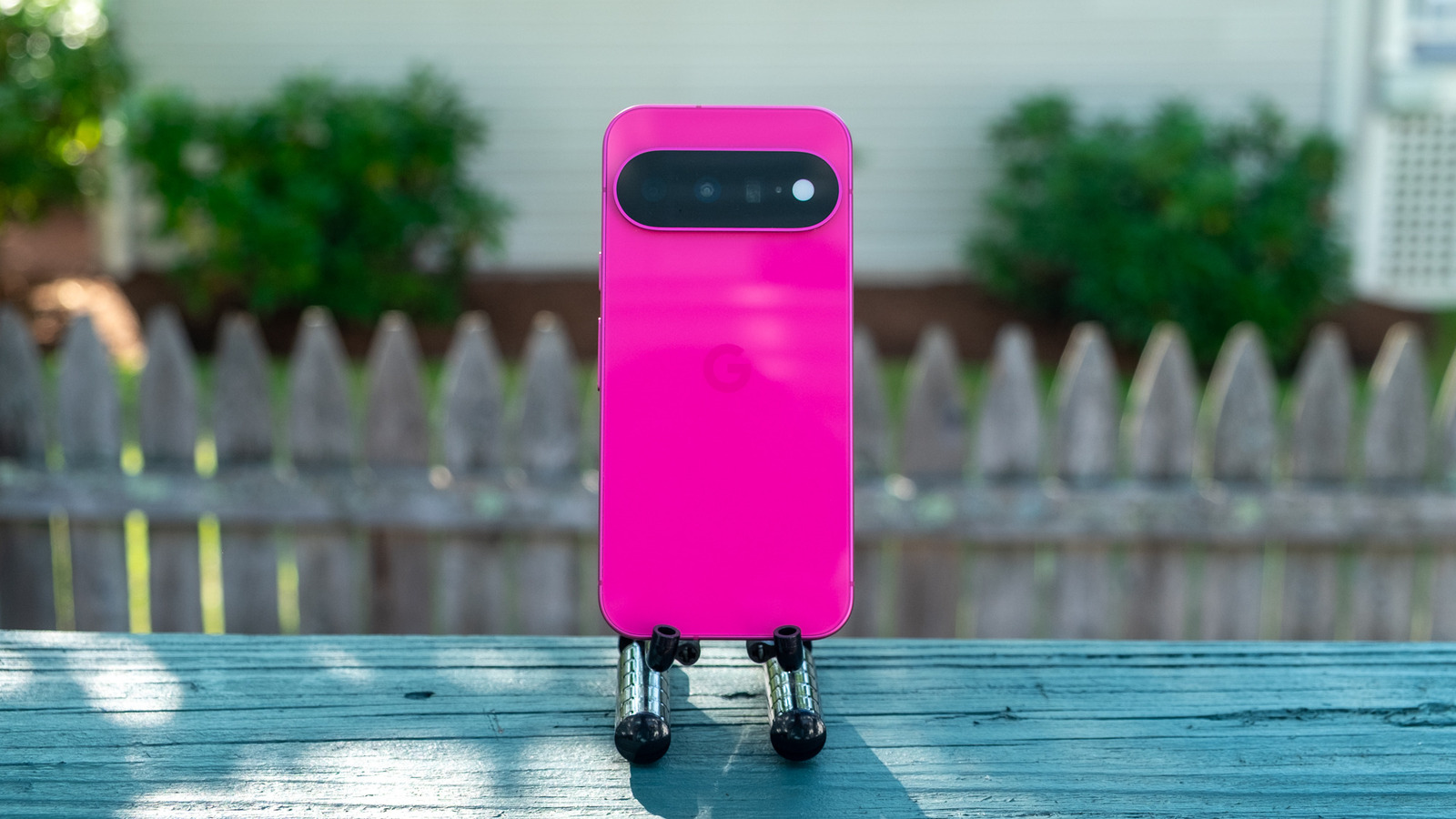
💡See whether Pixel 11’s higher price reflects meaningful AI progress or mostly incremental refinement.
⚡ 30-Second TL;DR
What Changed
The Pixel 11 is priced $100 above last year's model.
Why It Matters
The review suggests that incremental AI-enabled hardware upgrades may still command a premium when the overall product experience remains strong. AI builders should distinguish genuine capability improvements from price increases attached to mature products.
What To Do Next
Benchmark the Pixel 11's advertised Google AI workflows against last year's Pixel before approving it as a mobile AI test device.
Key Points
- •The Pixel 11 is priced $100 above last year's model.
- •The review says the phone did not change substantially.
- •It remains among the best smartphones available.
🧠 Deep Insight
AI-generated analysis for this event.
🔑 Enhanced Key Takeaways
- •The Pixel 11 utilizes the new Tensor G6 chipset, which focuses primarily on thermal efficiency and background AI processing rather than raw clock speed gains.
- •Google has integrated a new 'Adaptive Battery 2.0' system that leverages on-device machine learning to predict user app usage patterns more aggressively than previous generations.
- •The camera hardware retains the same primary sensor as the Pixel 10, relying on updated computational photography algorithms to improve low-light dynamic range.
- •The $100 price hike is attributed by industry analysts to rising costs in semiconductor manufacturing and the inclusion of a more advanced, power-efficient display panel.
- •Software support for the Pixel 11 is confirmed for seven years of OS and security updates, maintaining Google's commitment to long-term device longevity.
📊 Competitor Analysis▸ Show
| Feature | Pixel 11 | iPhone 18 | Galaxy S26 |
|---|---|---|---|
| Starting Price | $899 | $999 | $899 |
| Processor | Tensor G6 | A20 Bionic | Snapdragon 8 Gen 5 |
| Display | 120Hz LTPO OLED | 120Hz ProMotion | 144Hz Dynamic AMOLED |
| AI Focus | On-device Gemini | Apple Intelligence | Galaxy AI |
🛠️ Technical Deep Dive
- Chipset: Tensor G6 built on a 2nm process node, emphasizing NPU throughput for real-time generative AI tasks.
- RAM: Base configuration starts at 12GB LPDDR5X to accommodate larger on-device language models.
- Display: 6.3-inch Actua display with a peak brightness of 3000 nits and improved power efficiency.
- Connectivity: Updated modem architecture designed to reduce signal drop-offs in low-coverage areas compared to the Tensor G5.
- Storage: UFS 4.1 storage standard for faster read/write speeds during high-resolution video capture.
🔮 Future ImplicationsAI analysis grounded in cited sources
⏳ Timeline
Weekly AI Recap
Read this week's curated digest of top AI events →
👉Related Updates

AI-curated news aggregator. All content rights belong to original publishers.
Original source: Engadget ↗