Opus 4.7 Enables AI Code Self-Review
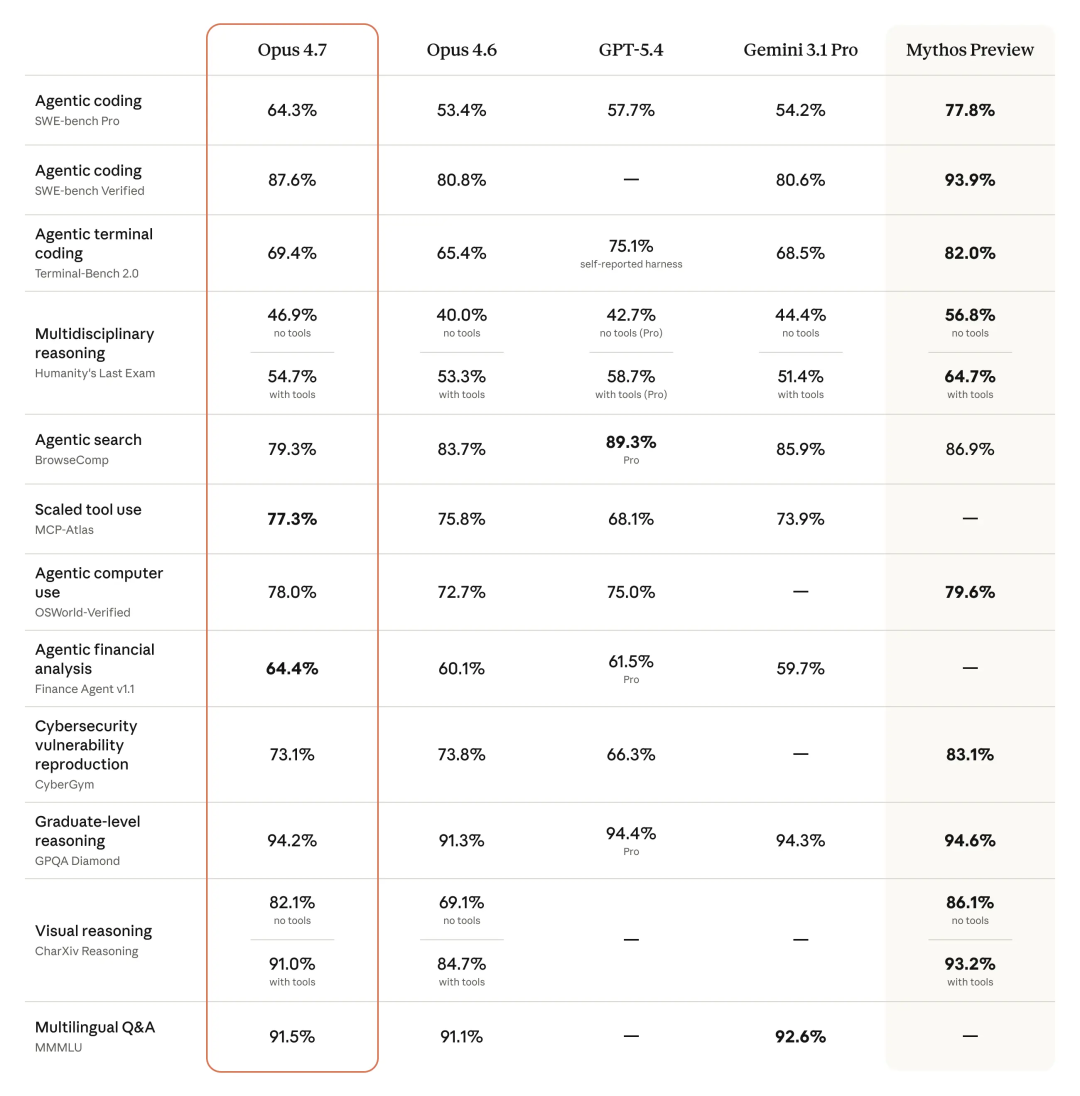
AI self-reviewing code could end legacy 'shit mountain' nightmares for devs
30-Second TL;DR
What Changed
Opus 4.7 allows AI to self-review code automatically
Why It Matters
This could significantly boost developer productivity by automating code audits on legacy systems, potentially reducing maintenance costs in large codebases.
What To Do Next
Test Opus 4.7's code self-review on a sample legacy module from your project.
Key Points
- •Opus 4.7 allows AI to self-review code automatically
- •Specifically designed to fix 'shit mountain' legacy code issues
- •Hints at even more powerful features beyond code review
Deep Insight
AI-generated analysis for this event — not the original article.
Enhanced Key Takeaways
- •Opus 4.7 utilizes a novel 'Recursive Verification Loop' architecture that allows the model to generate, execute, and debug its own code patches within a sandboxed environment before human review.
- •The update specifically targets technical debt reduction by integrating with CI/CD pipelines to automatically identify and refactor 'code smells' in legacy Java and C++ repositories.
- •Industry benchmarks indicate that Opus 4.7 reduces the time required for legacy system refactoring by approximately 40% compared to previous versions, specifically in high-complexity dependency scenarios.
Competitor Analysis
- Opus 4.7
- Native Recursive Loop
- GitHub Copilot Workspace
- Limited/Manual
- Cursor (Claude 3.5/Opus)
- Agentic Refactoring
- Opus 4.7
- High (Specialized)
- GitHub Copilot Workspace
- Medium
- Cursor (Claude 3.5/Opus)
- Medium
- Opus 4.7
- Enterprise Tier
- GitHub Copilot Workspace
- Per User/Month
- Cursor (Claude 3.5/Opus)
- Per User/Month
| Feature | Opus 4.7 | GitHub Copilot Workspace | Cursor (Claude 3.5/Opus) |
|---|---|---|---|
| Self-Review/Auto-Fix | Native Recursive Loop | Limited/Manual | Agentic Refactoring |
| Legacy Code Focus | High (Specialized) | Medium | Medium |
| Pricing | Enterprise Tier | Per User/Month | Per User/Month |
Technical Deep Dive
- •Architecture: Employs a multi-agent framework where the 'Reviewer' agent operates on a separate context window from the 'Generator' agent to prevent confirmation bias.
- •Execution Environment: Integrates with containerized ephemeral runtimes to validate code compilation and unit test coverage before suggesting commits.
- •Context Window: Optimized for large-scale repository ingestion, allowing the model to maintain state across thousands of files to resolve cross-module dependencies in legacy code.
Future ImplicationsAI analysis grounded in cited sources
Timeline
- 2025-03Opus 4.0 launch, introducing foundational agentic coding capabilities.
- 2025-11Opus 4.5 release, focusing on improved context window management for large repositories.
- 2026-04Opus 4.7 release, introducing the Recursive Verification Loop for self-review.
Weekly AI Recap
Read this week's curated digest of top AI events →
AI-curated news aggregator. All content rights belong to original publishers.
Original source: 钛媒体 ↗
This is a summary, not the original. Read the source, or get the weekly briefing.
The weekly digest
One email a week. Unsubscribe anytime.