OpenClaw Safety Scare Sparks Unloads
💡OpenClaw's safety fallout + costs expose real agent deployment pitfalls for builders
⚡ 30-Second TL;DR
What Changed
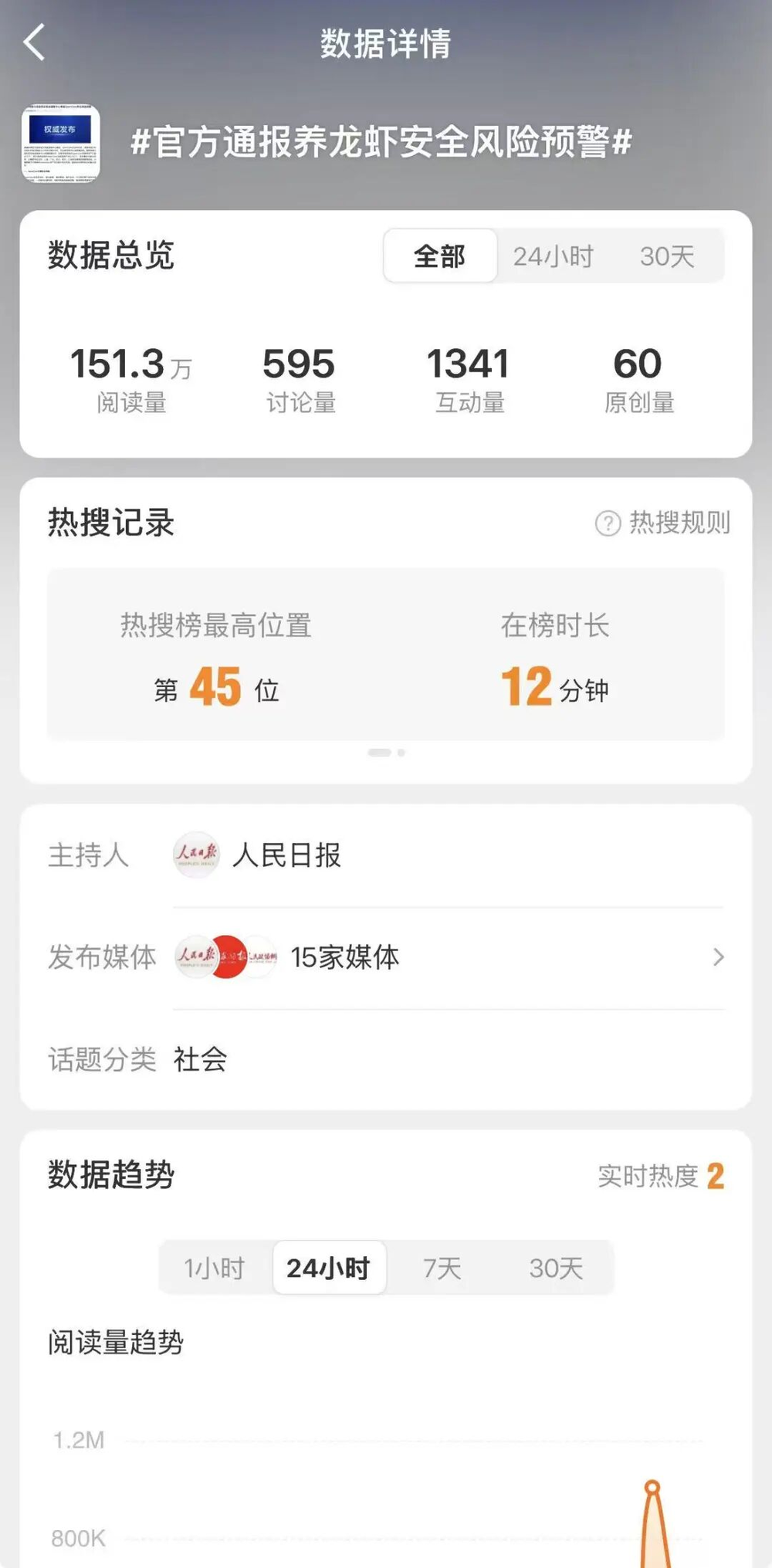
Safety risks hit hot search, prompting paid OpenClaw uninstalls
Why It Matters
Highlights AI agent maturity needs, shifting hype to sustainable ecosystems and cost controls for industry growth.
What To Do Next
Audit your AI agent's token usage and benchmark against optimized paths from big tech previews.
Key Points
- •Safety risks hit hot search, prompting paid OpenClaw uninstalls
- •Tencent announces self-developed, local, cloud, enterprise AI agents
- •Daily OpenClaw use consumes ~3.6 kWh electricity globally scaling to U.S.-level demand
- •Calls for optimized paths to reduce token burn in AI agents
🧠 Deep Insight
Background and context from public sources — not the original article. 7 sources cited.
🔑 Enhanced Key Takeaways
- •OpenClaw was acquired by OpenAI, transitioning to an OpenAI-backed foundation amid its viral adoption starting late 2025.[3][5]
- •Critical CVE-2026-25253 vulnerability (CVSS 8.8) enabled remote code execution via malicious JavaScript webpages, patched in version 2026.1.29.[2]
- •China's MIIT issued six dos (e.g., use latest version, minimize internet exposure) and six don'ts (e.g., avoid outdated versions, excessive permissions) for OpenClaw users.[3][4]
🛠️ Technical Deep Dive
- •OpenClaw uses 'skills' (plugins for actions like file access, web browsing, command execution) that the AI autonomously chains, amplifying risks from permission misconfigurations.[1]
- •Vulnerabilities include plaintext credential storage in skills, with Snyk finding 283 flawed ClawHub skills exposing API keys via LLM context windows.[2]
- •Prompt injection attacks manipulate agents via malicious instructions in data like webpages or messages, overriding original programming.[1][5]
🔮 Future ImplicationsAI analysis grounded in cited sources
⏳ Timeline
📎 Sources (7)
Factual claims are grounded in the sources below. Forward-looking analysis is AI-generated interpretation.
- fortune.com — Openclaw AI Agents Security Risks Beware
- pacgenesis.com — Openclaw Security Risks What Security Teams Need to Know About AI Agents Like Openclaw in 2026
- longbridge.com — 278837384
- scmp.com — China Issues New Safety Rules Openclaw Here Are Dos and Donts
- mastercard.com — Openclaw AI Security Standards
- securityweek.com — Openclaw Security Issues Continue As Secureclaw Open Source Tool Debuts
- darkreading.com — Critical Openclaw Vulnerability AI Agent Risks
Weekly AI Recap
Read this week's curated digest of top AI events →
👉Related Updates
AI-curated news aggregator. All content rights belong to original publishers.
Original source: 虎嗅 ↗
This is a summary, not the original. Read the source, or get the weekly briefing.
Weekly AI briefing
One email a week. Unsubscribe anytime.