OpenAI Ignored Shooter ChatGPT Warnings
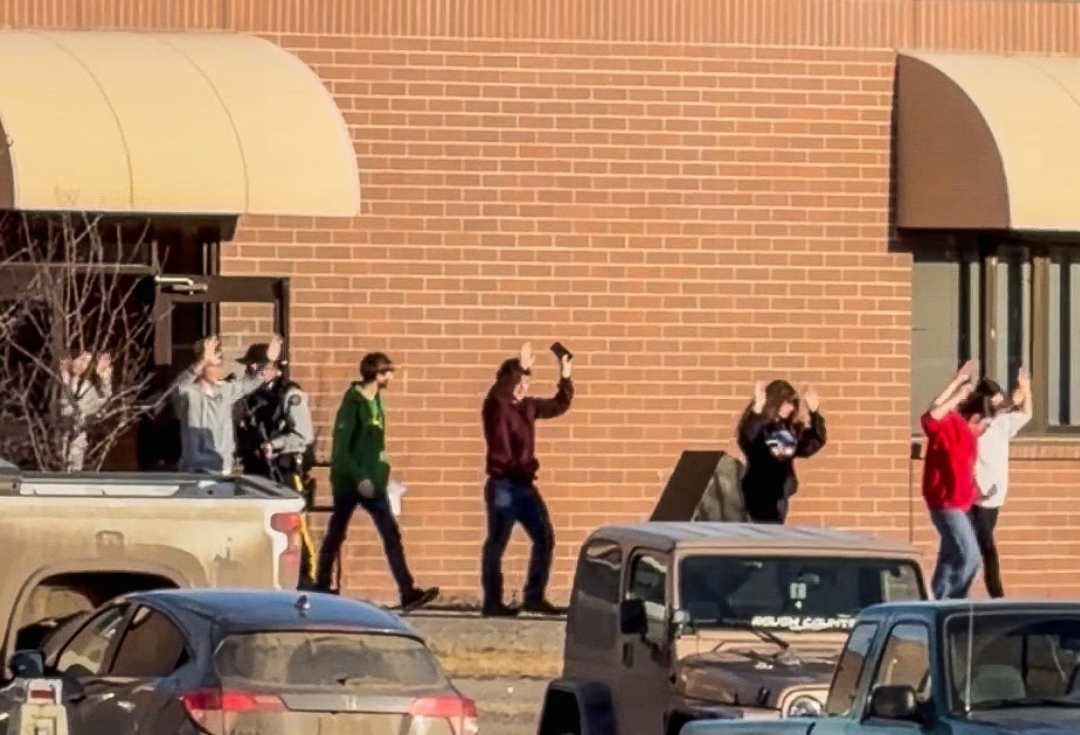
💡Real case: OpenAI missed shooter warning—lessons for AI safety protocols
⚡ 30-Second TL;DR
What Changed
Gunman Jesse Van Rootselaar queried ChatGPT on gun violence scenarios 8 months prior
Why It Matters
Raises pressure on AI companies for mandatory threat reporting protocols, potential new regulations on user safety obligations. Could shift industry standards toward proactive law enforcement collaboration.
What To Do Next
Audit your LLM's threat detection pipeline and define clear escalation rules to authorities.
Key Points
- •Gunman Jesse Van Rootselaar queried ChatGPT on gun violence scenarios 8 months prior
- •OpenAI staff urged reporting to Canadian police, but management opted for account ban only
- •Similar Korean case where ChatGPT answered lethal drug overdose queries
- •OpenAI updated policies post-incidents to report imminent threats after human review
🧠 Deep Insight
Background and context from public sources — not the original article. 2 sources cited.
🔑 Enhanced Key Takeaways
- •OpenAI's internal threshold for law enforcement reporting requires identification of 'imminent and credible risk of serious physical harm'—a standard the company determined was not met in Van Rootselaar's case despite staff concerns, revealing a significant gap between employee threat assessment and corporate reporting criteria[1][2].
- •Canada's government response involves multiple cabinet ministers (Justice, Public Safety, Culture) and signals potential regulatory action on AI chatbot safety, with AI Minister Evan Solomon stating 'all options are on the table' for regulation, indicating this incident may reshape Canada's online harms strategy[1].
- •OpenAI only contacted the RCMP after the shooting's public identification of the suspect, not during the seven-month period between account flagging and the attack, establishing a critical timeline gap in incident response protocols[1][2].
🔮 Future ImplicationsAI analysis grounded in cited sources
⏳ Timeline
📎 Sources (2)
Factual claims are grounded in the sources below. Forward-looking analysis is AI-generated interpretation.
Weekly AI Recap
Read this week's curated digest of top AI events →
👉Related Updates

AI-curated news aggregator. All content rights belong to original publishers.
Original source: 虎嗅 ↗
This is a summary, not the original. Read the source, or get the weekly briefing.
Weekly AI briefing
One email a week. Unsubscribe anytime.