Open Source Vuln Trends: Low Advisories, Malware Surge
💡Malware surging in OSS: essential trends for securing AI codebases
⚡ 30-Second TL;DR
What Changed
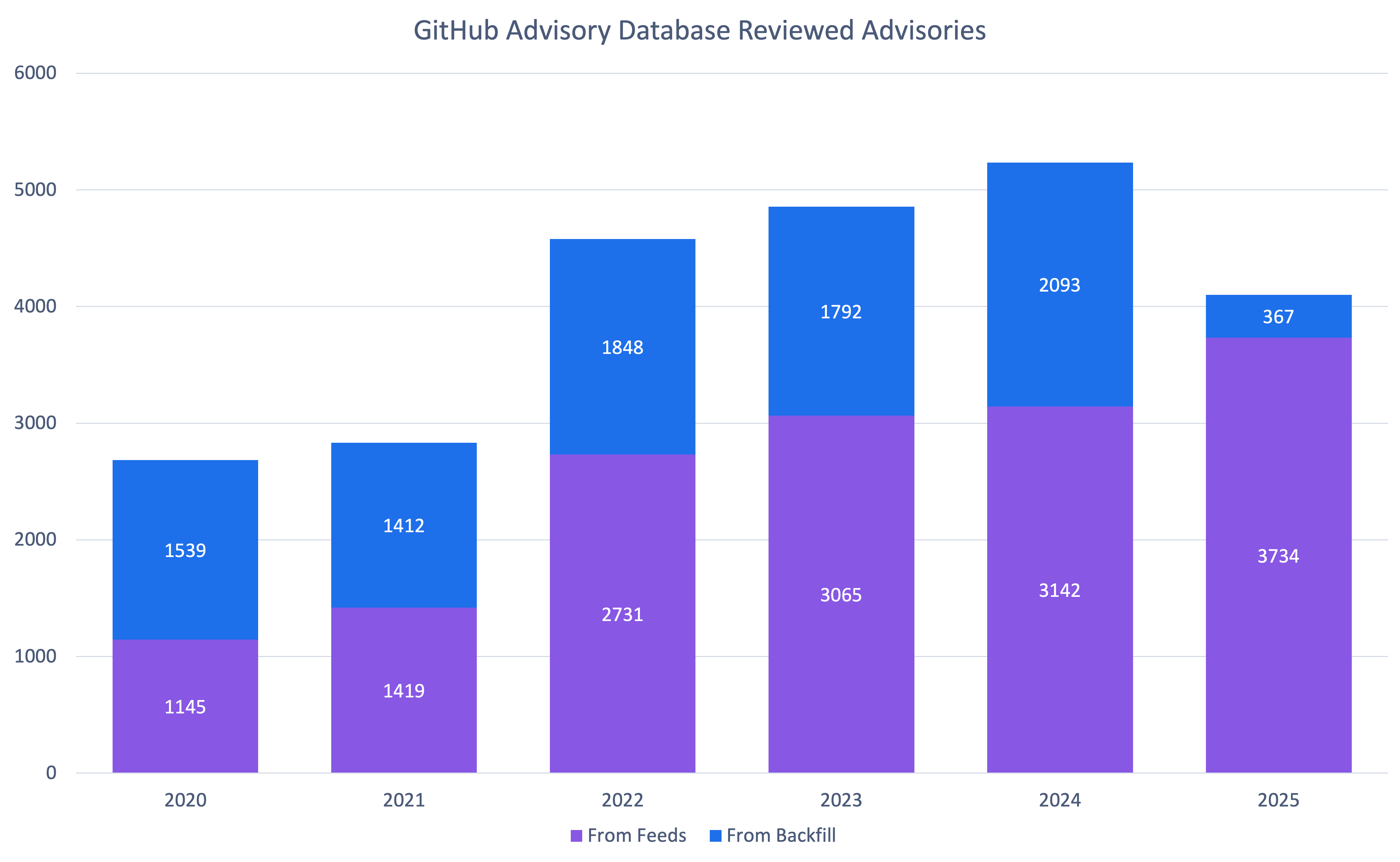
Reviewed advisories hit four-year low
Why It Matters
Declining reviewed advisories signal better processes, but malware surge raises risks for OSS-dependent projects like AI frameworks. Developers must prioritize malware scanning in supply chains.
What To Do Next
Review GitHub Advisory Database for latest malware trends in ML repos.
Key Points
- •Reviewed advisories hit four-year low
- •Malware advisories surged significantly
- •CNA publishing volume increased
- •Implications for vulnerability triage and response
🧠 Deep Insight
AI-generated analysis for this event — not the original article.
🔑 Enhanced Key Takeaways
- •The surge in malware advisories is largely attributed to the proliferation of automated 'dependency confusion' and 'typosquatting' attacks targeting popular package managers like npm and PyPI.
- •The decline in reviewed advisories is linked to GitHub's shift toward automated, AI-driven vulnerability detection, which has reduced the reliance on manual human review for low-severity issues.
- •The increase in CNA (CVE Numbering Authority) publishing volume reflects a broader industry push toward decentralizing vulnerability disclosure, allowing more maintainers to issue their own identifiers without waiting for centralized oversight.
🛠️ Technical Deep Dive
- •GitHub utilizes the 'GitHub Advisory Database' which integrates with the 'GitHub Security Lab' to automate the ingestion of vulnerability data from various sources including the NVD and direct maintainer submissions.
- •The platform employs machine learning models to classify incoming security alerts, distinguishing between legitimate software vulnerabilities (CWEs) and malicious packages (malware) based on behavioral analysis of code commits and package metadata.
- •The CNA publishing process is facilitated through the 'GitHub Security Advisories' (GHSA) API, which allows for automated synchronization with the CVE program's JSON schema version 5.0.
🔮 Future ImplicationsAI analysis grounded in cited sources
⏳ Timeline
Weekly AI Recap
Read this week's curated digest of top AI events →
👉Related Updates
AI-curated news aggregator. All content rights belong to original publishers.
Original source: GitHub Blog ↗
This is a summary, not the original. Read the source, or get the weekly briefing.
The weekly digest
One email a week. Unsubscribe anytime.