Office Rebrands Were Built to Drive Sales
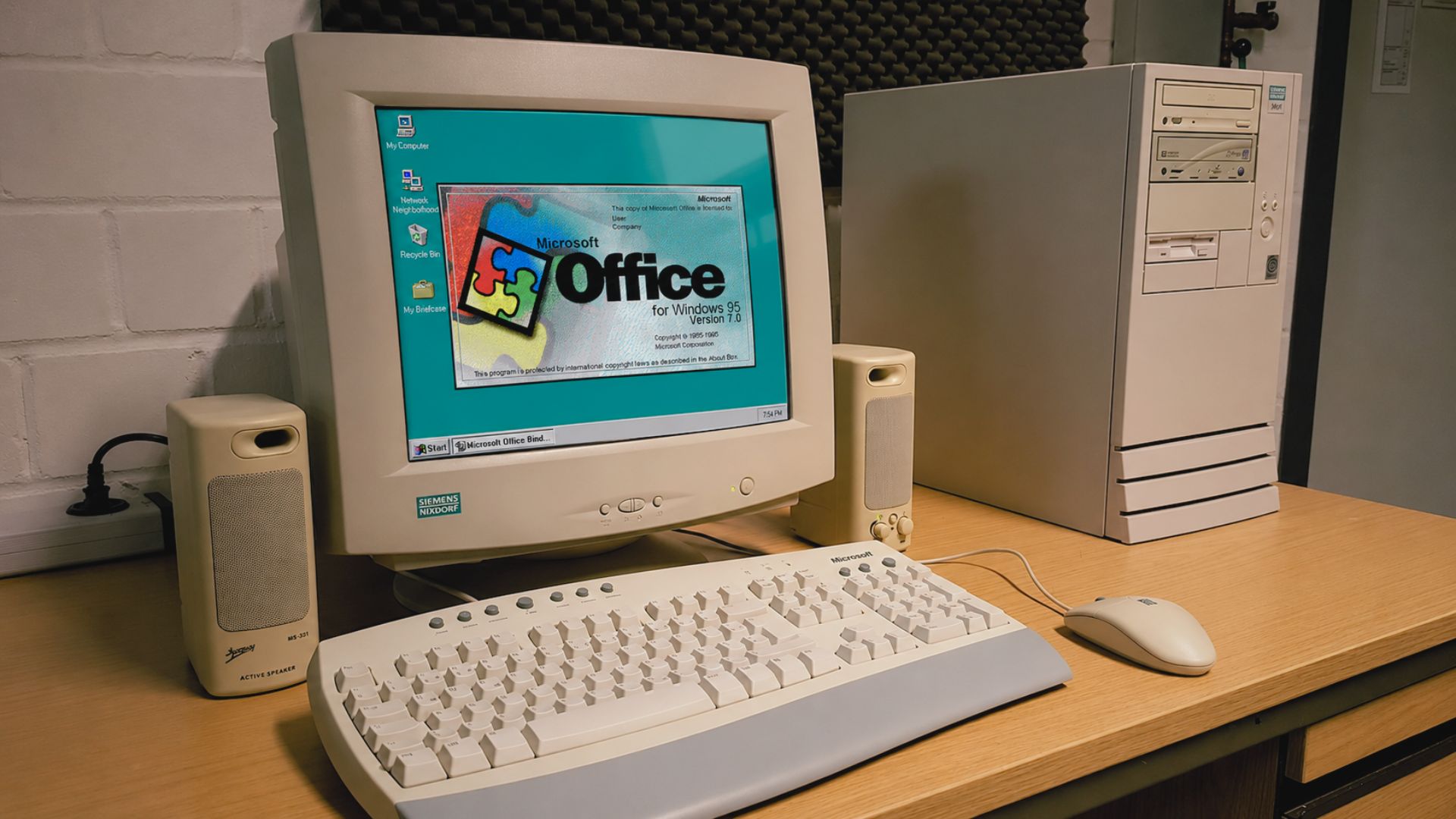
💡Learn how Microsoft used branding cycles to turn routine Office updates into sales opportunities.
⚡ 30-Second TL;DR
What Changed
Office branding changes typically occurred every 24 to 36 months.
Why It Matters
The disclosure highlights how enterprise software packaging can be used as a commercial lever rather than merely a design exercise. AI product teams can apply the same lesson when planning versioning, naming, and launch cycles for rapidly evolving tools.
What To Do Next
Audit your AI product’s naming and release cadence to ensure each major version communicates a concrete user benefit rather than only a visual refresh.
Key Points
- •Office branding changes typically occurred every 24 to 36 months.
- •Updates included product names, icons, logos, and packaging design.
- •Steven Sinofsky said the rebranding strategy was primarily designed to support software sales.
🧠 Deep Insight
AI-generated analysis for this event.
🔑 Enhanced Key Takeaways
- •The strategy relied on 'version-based' revenue models where customers were required to purchase new perpetual licenses to access updated features and branding, a model that shifted significantly with the introduction of Microsoft 365.
- •Steven Sinofsky's disclosures highlight how 'packaging' served as a psychological trigger for enterprise and retail customers to perceive the software as 'new' even when core functionality remained stable.
- •Internal Microsoft metrics often tracked 'shelf presence' in retail stores, where frequent icon and packaging refreshes were essential to maintain visibility against competing productivity suites.
- •The rebranding cycle was closely synchronized with the 'tick-tock' development cadence, ensuring that marketing efforts coincided with major service pack releases or minor feature updates.
- •This marketing strategy was heavily influenced by the 'boxed software' era, where physical shelf space in retailers like Best Buy or Staples dictated the necessity of visual differentiation to drive repeat purchases.
📊 Competitor Analysis▸ Show
| Feature | Microsoft Office (Historical) | Google Workspace | LibreOffice |
|---|---|---|---|
| Revenue Model | Perpetual License (Boxed) | Subscription (SaaS) | Free/Open Source |
| Branding Strategy | Frequent Rebranding/Packaging | Consistent/Minimalist | Static/Community-Driven |
| Update Cadence | 24-36 Months (Major) | Continuous (Cloud) | Periodic (Versioned) |
🔮 Future ImplicationsAI analysis grounded in cited sources
⏳ Timeline
Weekly AI Recap
Read this week's curated digest of top AI events →
👉Related Updates
Same topic
Explore #product-branding
Same product
More on microsoft-office
Same source
Latest from cnBeta (Full RSS)
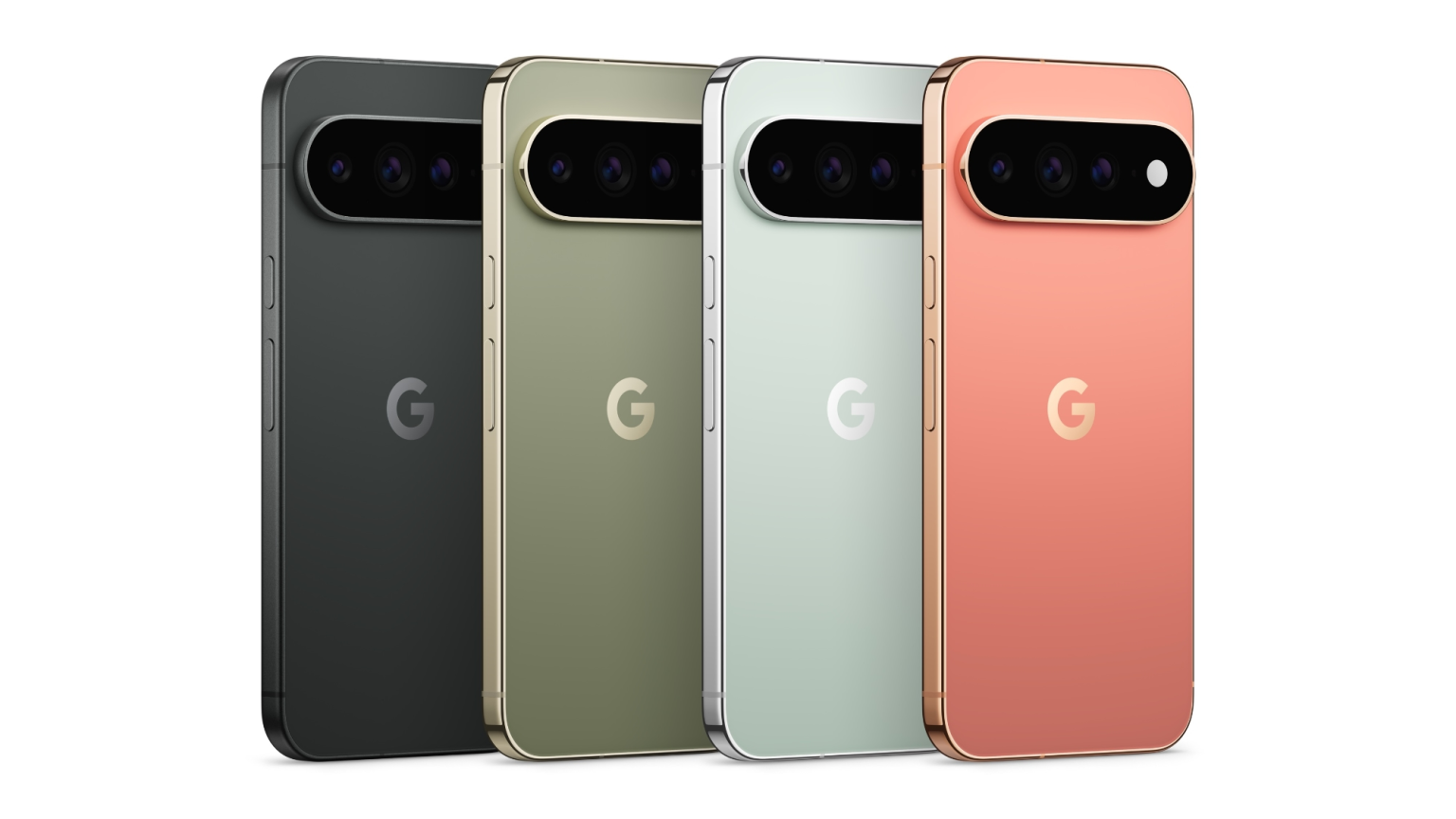
Google to Move Pixel Production Out of China by 2027
AI Slop Floods Search, Shopping, and Social Feeds

Camera-Equipped AirPods Demo Leaks Ahead of September

GLM-5.3 Adds Controlled Vulnerability Exploitation
AI-curated news aggregator. All content rights belong to original publishers.
Original source: cnBeta (Full RSS) ↗