Nuclear Revival Powers Next 20 Years of AI Growth
Nuclear boom addresses AI's massive power needs; SMRs key for data centers.
30-Second TL;DR
What Changed
COP28+ pledges triple nuclear capacity to 3x 2020 levels by 2050.
Why It Matters
Boosts AI infrastructure by providing scalable, clean energy amid data center power crunch. Accelerates SMR adoption tailored for hyperscalers like Microsoft and Google.
What To Do Next
Assess SMR vendors like NuScale for colocating with your AI training clusters.
Key Points
- •COP28+ pledges triple nuclear capacity to 3x 2020 levels by 2050.
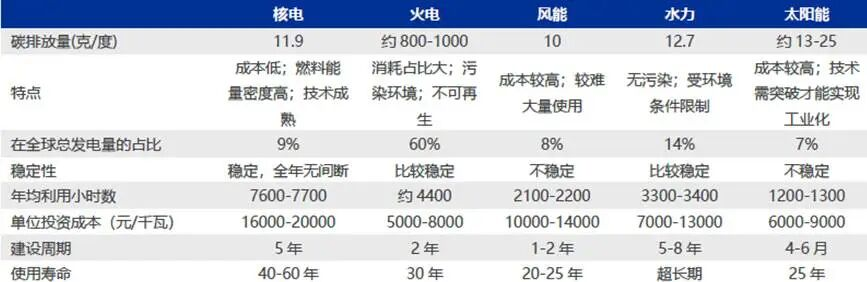
- •Nuclear's 93% capacity factor solves AI data center stability issues.
- •China's 37GW in-build leads; US restarts plants, pushes SMR for AI.
Deep Insight
AI-generated analysis for this event — not the original article.
Enhanced Key Takeaways
- •Tech giants are increasingly pursuing direct power purchase agreements (PPAs) and equity stakes in nuclear operators, such as Microsoft's deal to revive the Three Mile Island facility, to bypass grid congestion and ensure dedicated, carbon-free baseload power for hyperscale AI clusters.
- •The integration of Small Modular Reactors (SMRs) is shifting from theoretical deployment to active pilot phases, with companies like NuScale and GE Hitachi focusing on factory-fabricated designs to reduce the capital-intensive, multi-year construction timelines associated with traditional large-scale reactors.
- •Regulatory frameworks in the U.S. and EU are being streamlined via 'advanced reactor' licensing pathways, specifically designed to accelerate the deployment of non-light-water reactor technologies that offer higher thermal efficiency for industrial heat and data center cooling applications.
Technical Deep Dive
- •Capacity Factor Advantage: Nuclear power maintains a ~93% capacity factor compared to solar (~25%) and wind (~35%), providing the constant, high-voltage supply required for AI training clusters that cannot tolerate power fluctuations.
- •SMR Architecture: SMRs typically produce 50-300 MWe per module, utilizing passive safety systems (natural circulation/convection) that eliminate the need for active pumps or external power to maintain core cooling during emergencies.
- •Grid Integration: Data centers are exploring 'behind-the-meter' nuclear configurations to avoid transmission losses and grid-level regulatory hurdles, effectively creating microgrids that operate independently of the primary utility distribution network.
Future ImplicationsAI analysis grounded in cited sources
Timeline
- 2023-12COP28 nations pledge to triple global nuclear energy capacity by 2050.
- 2024-09Microsoft signs a 20-year PPA with Constellation Energy to restart the Three Mile Island Unit 1 reactor.
- 2025-05China officially commissions additional Hualong One units, solidifying its position as the world's largest nuclear construction market.
Weekly AI Recap
Read this week's curated digest of top AI events →
AI-curated news aggregator. All content rights belong to original publishers.
Original source: 虎嗅 ↗
This is a summary, not the original. Read the source, or get the weekly briefing.
The weekly digest
One email a week. Unsubscribe anytime.