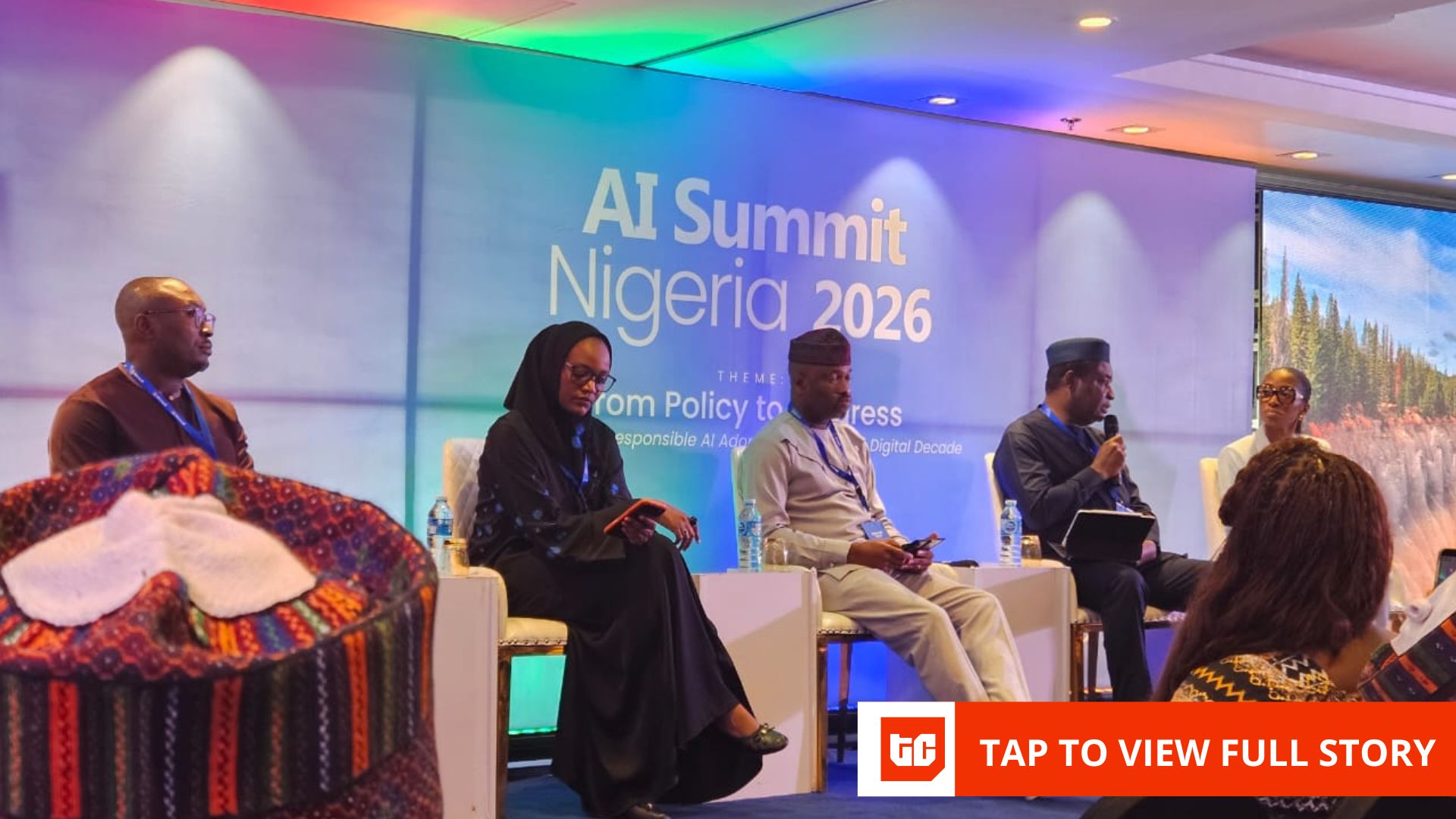
Nigeria's AI potential hindered by fragmented government data silos
💡Understand the critical infrastructure barriers preventing AI scaling in emerging African markets.
⚡ 30-Second TL;DR
What Changed
Eight major government agencies hold critical datasets but lack data sharing protocols.
Why It Matters
Without a unified data infrastructure, local AI developers cannot build models that rely on comprehensive national datasets. This limits the ability to deploy AI for public services, healthcare, and economic planning.
What To Do Next
If you are building AI solutions for the Nigerian market, focus on creating synthetic datasets to bypass current data access limitations.
Key Points
- •Eight major government agencies hold critical datasets but lack data sharing protocols.
- •Lack of interoperability prevents the creation of a unified national AI strategy.
- •Data silos are identified as the primary bottleneck for AI innovation in the region.
🧠 Deep Insight
Background and context from public sources — not the original article. 13 sources cited.
🔑 Enhanced Key Takeaways
- •The fragmentation of data spans critical agencies including the National Identity Management Commission (NIMC) with the National Identification Number (NIN) database, the Central Bank of Nigeria (CBN) with the Bank Verification Number (BVN) system, and others like the Nigerian Communications Commission (NCC), Nigeria Immigration Service (NIS), Federal Inland Revenue Service (FIRS), Federal Road Safety Corps (FRSC), Corporate Affairs Commission (CAC), and the Independent National Electoral Commission (INEC), each maintaining separate databases for various citizen records.
- •Beyond mere lack of interoperability, the core challenges include outdated data storage formats, inadequate data warehousing and management practices, a lack of standardized data storage policies across government agencies, and a significant skill gap among personnel responsible for data management.
- •Despite these data challenges, Nigeria launched a comprehensive National Artificial Intelligence Strategy (NAIS) in September 2025 and unveiled N-Atlas, Africa's first government-backed multilingual large language model, indicating that the current bottleneck is primarily in execution rather than strategic vision.
- •A significant 'architecture gap' exists, where data is siloed, ministries define metrics inconsistently, and agencies fail to integrate systems, resulting in a lack of cohesive data pipelines despite the generation of enormous data volumes daily.
- •While the Nigeria Data Protection Act (NDPA 2023) and the Nigeria Data Protection Commission (NDPC) are in place, civil society organizations warn of an 'implementation crisis,' noting that public institutions, despite being the largest holders of citizens' data, face less scrutiny regarding data protection compliance compared to private entities.
🛠️ Technical Deep Dive
- Outdated hardware and software, along with inadequate tools for data management, contribute to inefficiencies across government ministries and agencies.
- The absence of standardized data storage formats and policies leads to inconsistencies and difficulties in data utilization.
- The National Identity Management System (NIMS) was established in 2007 as a central identity framework, with efforts like the 2020 NIN-SIM linkage policy aiming to integrate telecom data with verified identities, though institutional rivalries hinder full unification.
- The National Information Technology Development Agency (NITDA) has developed frameworks such as the Nigerian e-Government Interoperability Framework (Ne-GIF) and the Nigeria Data Exchange framework to promote secure data sharing among Ministries, Departments, and Agencies (MDAs).
- Nigeria faces a critical shortage of data centers, possessing less than 7% of its required capacity, with no AI-ready data centers and a significant portion of government records, financial transactions, and security intelligence hosted abroad, compromising data sovereignty.
- The Integrated Data Sharing Portal (IDSP) is being developed to centralize macroeconomic statistical data and facilitate structured data exchange among participating government agencies to support policymaking.
🔮 Future ImplicationsAI analysis grounded in cited sources
⏳ Timeline
📎 Sources (13)
Factual claims are grounded in the sources below. Forward-looking analysis is AI-generated interpretation.
Weekly AI Recap
Read this week's curated digest of top AI events →
👉Related Updates
AI-curated news aggregator. All content rights belong to original publishers.
Original source: TechCabal ↗
This is a summary, not the original. Read the source, or get the weekly briefing.
Weekly AI briefing
One email a week. Unsubscribe anytime.