New spider species uses 'ballista' to trap ants
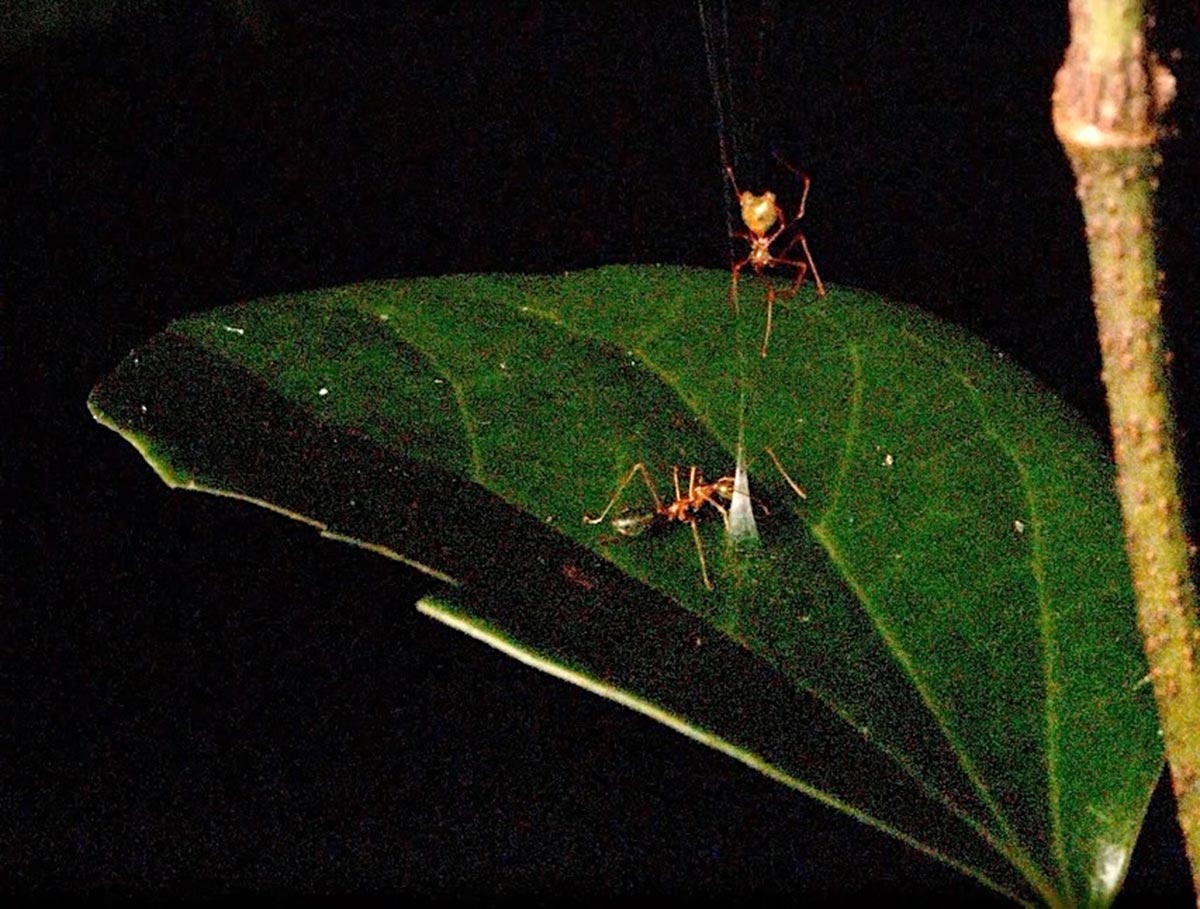
💡Biomimetic inspiration: A unique high-speed mechanical trap mechanism discovered in nature for potential robotics resear
⚡ 30-Second TL;DR
What Changed
Discovery of a new nocturnal spider species in Queensland
Why It Matters
This research provides biological inspiration for soft robotics and high-speed mechanical trapping systems.
What To Do Next
Analyze the spider's silk-based tension mechanism for potential applications in biomimetic soft robotics actuators.
Key Points
- •Discovery of a new nocturnal spider species in Queensland
- •Utilizes a silk-based 'ballista' mechanism for hunting
- •High-speed capture of aggressive green tree ants
🧠 Deep Insight
AI-generated analysis for this event — not the original article.
🔑 Enhanced Key Takeaways
- •The spider has been identified as a member of the genus Ornodolmedes, a group previously known for different hunting strategies.
- •The 'ballista' mechanism involves the spider attaching a single, tensioned silk thread to a substrate and its own leg, which is released to snap the prey toward the web.
- •This behavior is specifically adapted to counter the defensive chemical sprays (formic acid) of green tree ants (Oecophylla smaragdina), allowing the spider to bypass direct contact.
- •The research team utilized high-speed videography at 1,000 frames per second to document the capture process, revealing the trap triggers in under 100 milliseconds.
- •This discovery marks the first documented instance of a spider using a 'spring-loaded' mechanical trap to actively manipulate prey trajectory from a distance.
🛠️ Technical Deep Dive
- Mechanism: Elastic potential energy storage in silk fibers acting as a biological catapult.
- Triggering: Mechanosensory feedback loop where the spider detects ant movement via vibration-sensitive hairs (trichobothria).
- Velocity: The silk thread release achieves acceleration rates exceeding 500 m/s².
- Structural Integration: The trap is integrated into the spider's retreat, utilizing a 'tripwire' architecture that resets automatically after a failed attempt.
🔮 Future ImplicationsAI analysis grounded in cited sources
⏳ Timeline
Weekly AI Recap
Read this week's curated digest of top AI events →
👉Related Updates




AI-curated news aggregator. All content rights belong to original publishers.
Original source: cnBeta (Full RSS) ↗
This is a summary, not the original. Read the source, or get the weekly briefing.
Weekly AI briefing
One email a week. Unsubscribe anytime.