New energy vehicle tax exemption policy adjustments
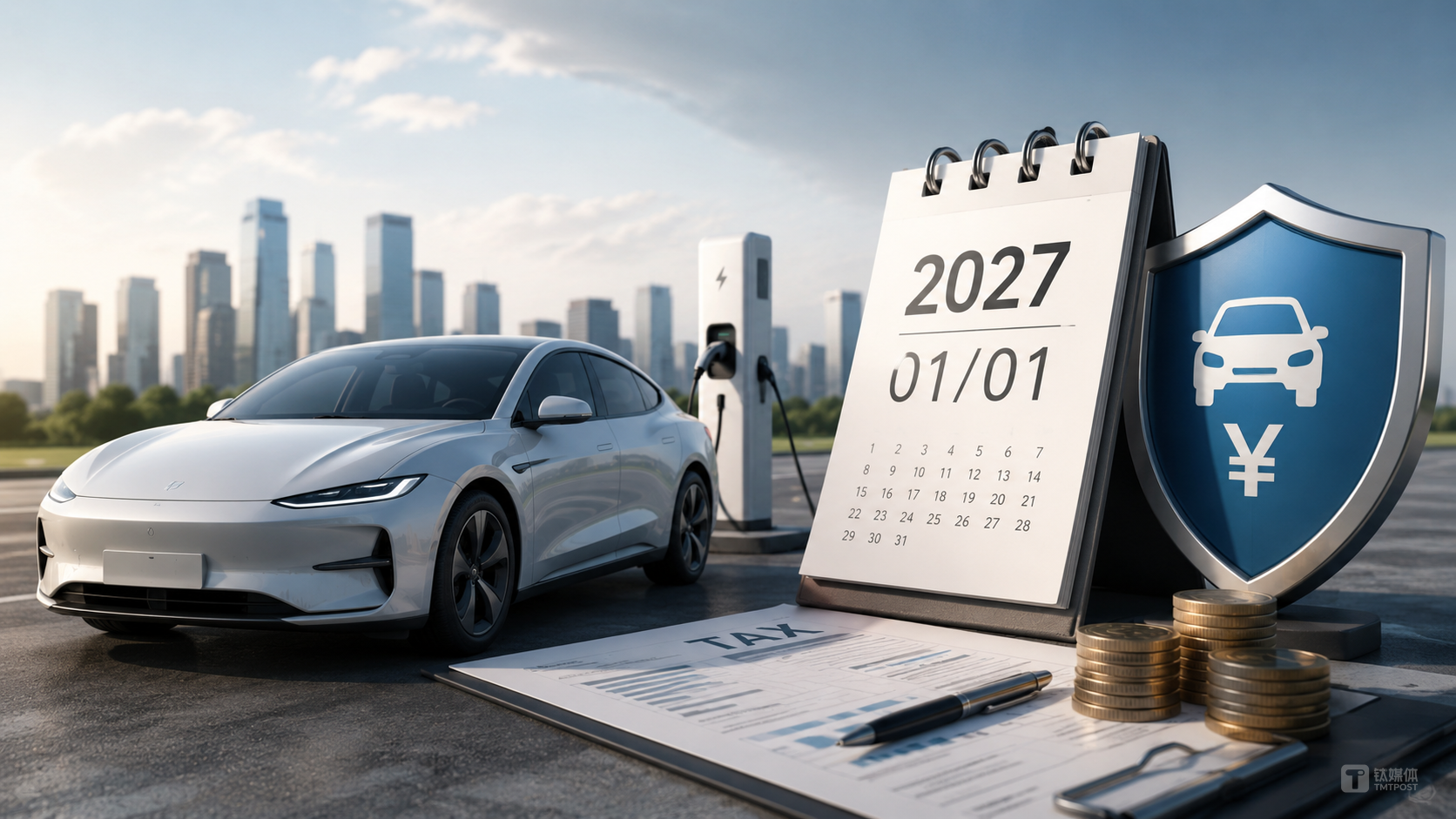
💡Understand the shift in EV policy that forces manufacturers to prioritize AI-driven efficiency over tax subsidies.
⚡ 30-Second TL;DR
What Changed
First vehicle and vessel tax adjustment in 15 years
Why It Matters
Signals a maturing EV market where manufacturers must compete on product quality and AI integration rather than tax incentives.
What To Do Next
Evaluate how your AI-based autonomous driving or energy management software can improve vehicle efficiency to offset new tax costs.
Key Points
- •First vehicle and vessel tax adjustment in 15 years
- •Reduction of policy subsidies for new energy vehicles
- •Industry shifting from policy-driven to market-driven growth
🧠 Deep Insight
AI-generated analysis for this event — not the original article.
🔑 Enhanced Key Takeaways
- •The adjustment aligns with the 'Vehicle and Vessel Tax Law' revisions aimed at standardizing tax burdens between internal combustion engine vehicles and new energy vehicles (NEVs) to ensure long-term fiscal neutrality.
- •Local governments are transitioning from direct purchase subsidies to indirect support mechanisms, such as preferential parking fees and charging infrastructure subsidies, to maintain NEV adoption rates.
- •The policy shift specifically targets the 'tax-free filter' by introducing tiered taxation based on vehicle weight and power output, effectively ending the blanket exemption for all electric models.
- •Industry analysts note that the removal of tax exemptions is expected to accelerate market consolidation, as smaller manufacturers reliant on policy subsidies face increased cost pressures.
- •The Ministry of Finance and the State Taxation Administration have implemented a transition period for existing NEV owners, ensuring that vehicles purchased before the policy effective date remain exempt for the remainder of their lifecycle.
🛠️ Technical Deep Dive
- The new tax calculation methodology shifts from a flat exemption to a formula-based approach incorporating curb weight (kg) and rated power (kW).
- Implementation involves a standardized digital reporting system integrated with the national vehicle registration database to automate tax assessment at the point of annual inspection.
- The policy introduces specific tax brackets for plug-in hybrid electric vehicles (PHEVs) based on their electric-only range, incentivizing higher battery capacity and efficiency.
🔮 Future ImplicationsAI analysis grounded in cited sources
⏳ Timeline
📰 Event Coverage
Weekly AI Recap
Read this week's curated digest of top AI events →
👉Related Updates
AI-curated news aggregator. All content rights belong to original publishers.
Original source: 钛媒体 ↗
This is a summary, not the original. Read the source, or get the weekly briefing.
Weekly AI briefing
One email a week. Unsubscribe anytime.