NEC, UTokyo, NTT Integrate AI Tech on 6G/IOWN
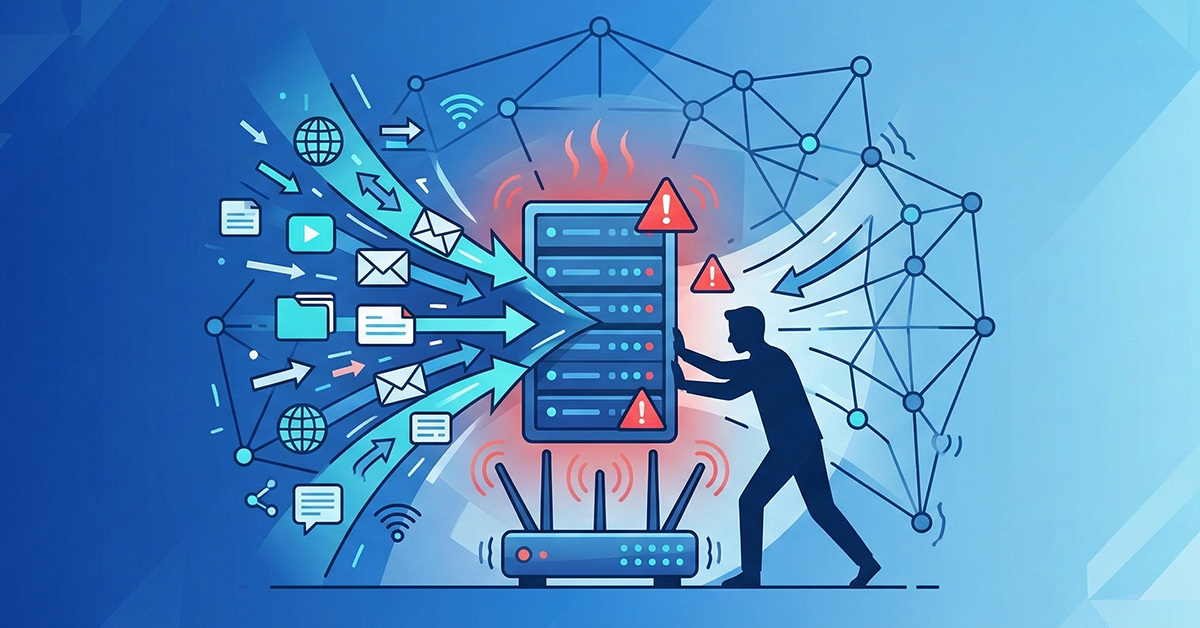
💡6G/IOWN solution tackles AI traffic surges for real-time AR—key for scalable agents.
⚡ 30-Second TL;DR
What Changed
NEC, UTokyo, NTT integrate AI agent tech on 6G/IOWN base
Why It Matters
This collaboration paves the way for scalable always-on AI agents in 6G networks, enabling real-time applications like AR without performance bottlenecks. It highlights Japan's push in AI infrastructure, potentially influencing global standards.
What To Do Next
Explore NTT's IOWN resources to optimize AI agent data pipelines for low-latency apps.
Key Points
- •NEC, UTokyo, NTT integrate AI agent tech on 6G/IOWN base
- •Optimizes communication and computation for massive data volumes
- •Demo proves low latency and accuracy in real-time AR support
- •Addresses traffic explosion from continuous AI operations
🧠 Deep Insight
Background and context from public sources — not the original article. 5 sources cited.
🔑 Enhanced Key Takeaways
- •The three technologies integrated are streaming semantic communication (UTokyo), AI-oriented media control (NEC), and In-Network Computing architecture (NTT).[2][4]
- •Collaboration conducted under The University of Tokyo’s Social Cooperation Program to advance 6G/IOWN for societal safety and security.[2][4][5]
- •Technologies to be showcased at Mobile World Congress 2026 in the Japan Pavilion for international presentation.[2][4][5]
- •Streaming semantic communication transmits only semantic differences to reduce wireless resource usage significantly.[2]
🛠️ Technical Deep Dive
- •Streaming semantic communication (UTokyo): Transmits only semantic differences in data, reducing wireless communication resource usage for high-volume sensor data.
- •AI-oriented media control (NEC): Assigns data identifiers to AI agents, selectively providing key sensor data to minimize computational load.
- •In-Network Computing (INC) architecture (NTT): Distributes small, specialized AI models across the network to enhance processing efficiency and scalability.
- •Trial used video dataset to measure end-to-end latency, confirming reductions in latency and computational load while preserving AI inference accuracy for real-time AR.
🔮 Future ImplicationsAI analysis grounded in cited sources
⏳ Timeline
📎 Sources (5)
Factual claims are grounded in the sources below. Forward-looking analysis is AI-generated interpretation.
Weekly AI Recap
Read this week's curated digest of top AI events →
👉Related Updates
AI-curated news aggregator. All content rights belong to original publishers.
Original source: ITmedia AI+ (日本) ↗
This is a summary, not the original. Read the source, or get the weekly briefing.
Weekly AI briefing
One email a week. Unsubscribe anytime.