NATO Approves iPhone/iPad for Secret Info
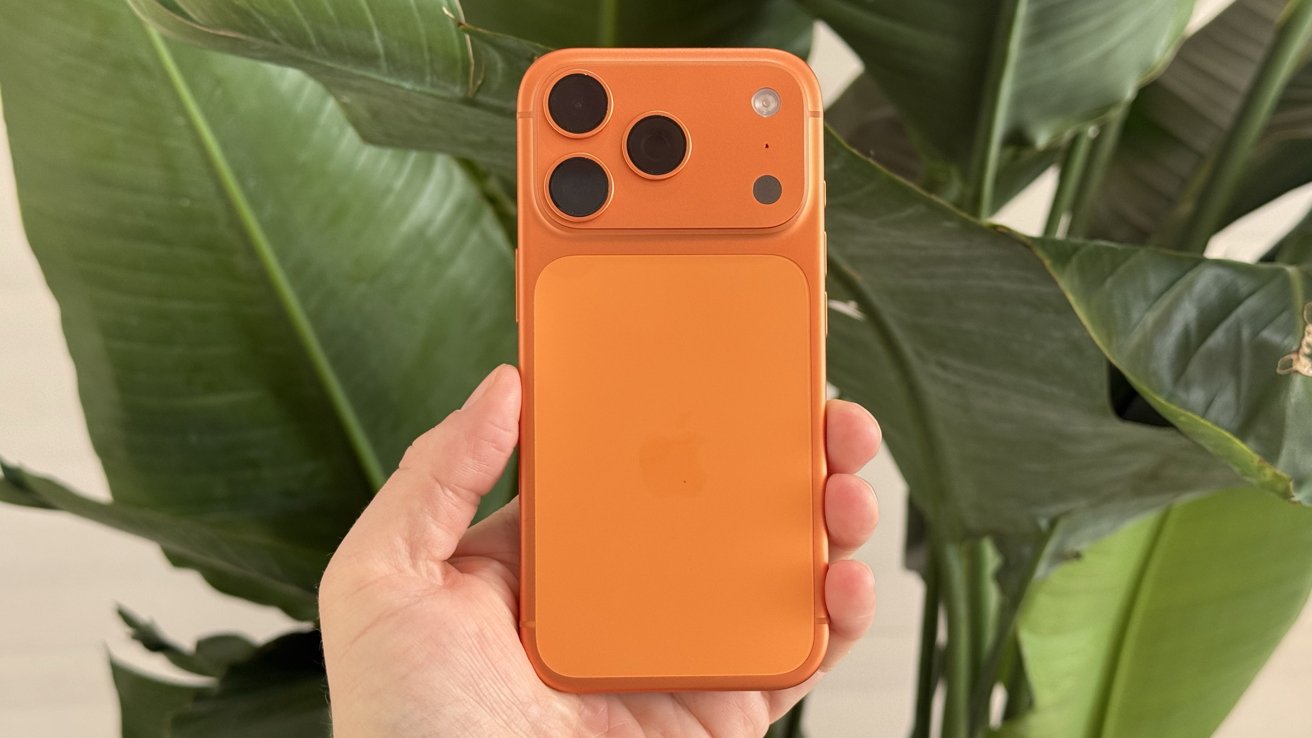
💡NATO certs Apple mobiles for secrets: secure edge for enterprise AI deployments
⚡ 30-Second TL;DR
What Changed
NATO certification for iPhone/iPad secret-level data processing
Why It Matters
Strengthens Apple's enterprise and defense market position for secure mobile deployments. Enables potential use in regulated environments needing confidential data handling.
What To Do Next
Evaluate iPhone Secure Enclave for compliant on-device AI inference in defense apps.
Key Points
- •NATO certification for iPhone/iPad secret-level data processing
- •Requires strict compliance with control measures
- •First consumer mobiles to achieve NATO secret standard
- •Builds on US iPhone classified approval from 10+ years ago
🧠 Deep Insight
Background and context from public sources — not the original article. 6 sources cited.
🔑 Enhanced Key Takeaways
- •iPhone and iPad are listed on the NATO Information Assurance Product Catalogue (NIAPC), a formal registry that validates compliance with NATO's stringent security standards across all 32 member nations[1][2].
- •The certification builds on a prior German government approval: iPhone and iPad were first validated by Germany's Federal Office for Information Security (BSI) for handling classified German government data, which then expanded to NATO-wide certification[1][2].
- •The devices achieve this certification using only native iOS 26 and iPadOS 26 security features—no specialized software, custom hardware modifications, or additional configurations are required, distinguishing this from traditional government-approved secure devices[1][2].
- •Core security mechanisms enabling NATO approval include Memory Integrity Enforcement (built into Apple Silicon), best-in-class encryption, and biometric authentication (Face ID and Touch ID), representing hardware-level protections integrated into the device architecture[2][3].
- •U.S. military authorization of iPhone for classified use dates to approximately 2013 when iOS 6 received IPS-2 Level 1 validation, though many early installations required Wi-Fi restrictions; this NATO approval represents a significant expansion of use cases across allied nations[5].
🛠️ Technical Deep Dive
- •Memory Integrity Enforcement: A hardware-level security feature built into Apple Silicon that protects against memory-based attacks and is a key component of NATO compliance[2].
- •Secure Enclave Processor: Apple's dedicated security processor that handles sensitive operations independently from the main CPU, supporting encrypted storage and verified boot chains required for classified data handling[4].
- •Biometric Authentication: Face ID and Touch ID provide multi-factor authentication mechanisms recognized as meeting NATO's stringent authentication requirements[2][3].
- •Native Encryption: iOS 26 and iPadOS 26 implement best-in-class encryption across the platform without requiring third-party solutions, enabling secure access to Mail, Calendar, and Contacts applications[3].
- •Supply Chain Validation: NATO compliance requires rigorous supply chain validation and verified boot chains to ensure device integrity from manufacturing through deployment[4].
🔮 Future ImplicationsAI analysis grounded in cited sources
⏳ Timeline
📎 Sources (6)
Factual claims are grounded in the sources below. Forward-looking analysis is AI-generated interpretation.
- apple.com — Iphone and Ipad Approved to Handle Classified Nato Information
- 9to5mac.com — Iphone and Ipad Approved to Handle Classified Nato Information Without Any Third Party Add on Solutions
- news.az — Iphone Ipad First Consumer Devices Approved for Nato Data
- techbuzz.ai — Apple Devices First Consumer Tech Cleared for Nato Secrets
- appleinsider.com — A Decade After US Authorization the Iphone Is Allowed to Handle Classified Data for Nato
- securityweek.com — Apple Iphone and Ipad Cleared for Classified Nato Use
Weekly AI Recap
Read this week's curated digest of top AI events →
👉Related Updates


AI-curated news aggregator. All content rights belong to original publishers.
Original source: cnBeta (Full RSS) ↗
This is a summary, not the original. Read the source, or get the weekly briefing.
Weekly AI briefing
One email a week. Unsubscribe anytime.