Microsoft’s Renaming Habit Frustrates Developers
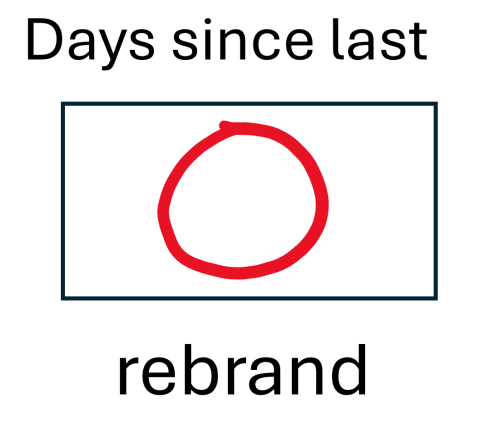
💡Product renames can break documentation, procurement, and AI platform decisions—learn how developers are tracking the ch
⚡ 30-Second TL;DR
What Changed
Microsoft frequently launches products, changes their names, or retires them soon afterward.
Why It Matters
Frequent renaming can increase documentation, integration, procurement, and training costs for teams that depend on Microsoft services. For AI builders, unstable product identity may complicate architecture records and make it harder to map changing cloud or AI offerings to existing systems.
What To Do Next
Audit Microsoft dependencies in your stack and pin each service to its stable product identifier, API version, and migration documentation.
Key Points
- •Microsoft frequently launches products, changes their names, or retires them soon afterward.
- •The company recently discontinued a feature that had only recently been renamed.
- •Developers created a dedicated website to document Microsoft’s product name changes over time.
🧠 Deep Insight
AI-generated analysis for this event.
🔑 Enhanced Key Takeaways
- •The phenomenon is frequently tracked by community-driven projects like 'Microsoft Graveyard' or 'The Microsoft Product Cemetery,' which catalog discontinued services, hardware, and software.
- •Microsoft's rebranding strategy often stems from internal organizational restructuring, where product groups are merged or dissolved, leading to the abandonment of legacy naming conventions.
- •Developers cite 'dependency hell' and broken documentation links as primary pain points, as rebranding often necessitates updates to API references, SDKs, and integration guides.
- •The rebranding cycle has historically impacted major platforms, including the transition from Azure Active Directory to Microsoft Entra ID, which required extensive migration efforts for enterprise IT administrators.
- •Industry analysts suggest that Microsoft's naming instability is a byproduct of its 'One Microsoft' initiative, which prioritizes unified branding over long-term product identity consistency.
🔮 Future ImplicationsAI analysis grounded in cited sources
⏳ Timeline
Weekly AI Recap
Read this week's curated digest of top AI events →
👉Related Updates
AI-curated news aggregator. All content rights belong to original publishers.
Original source: cnBeta (Full RSS) ↗