Microsoft's 10K-Year Glass Storage
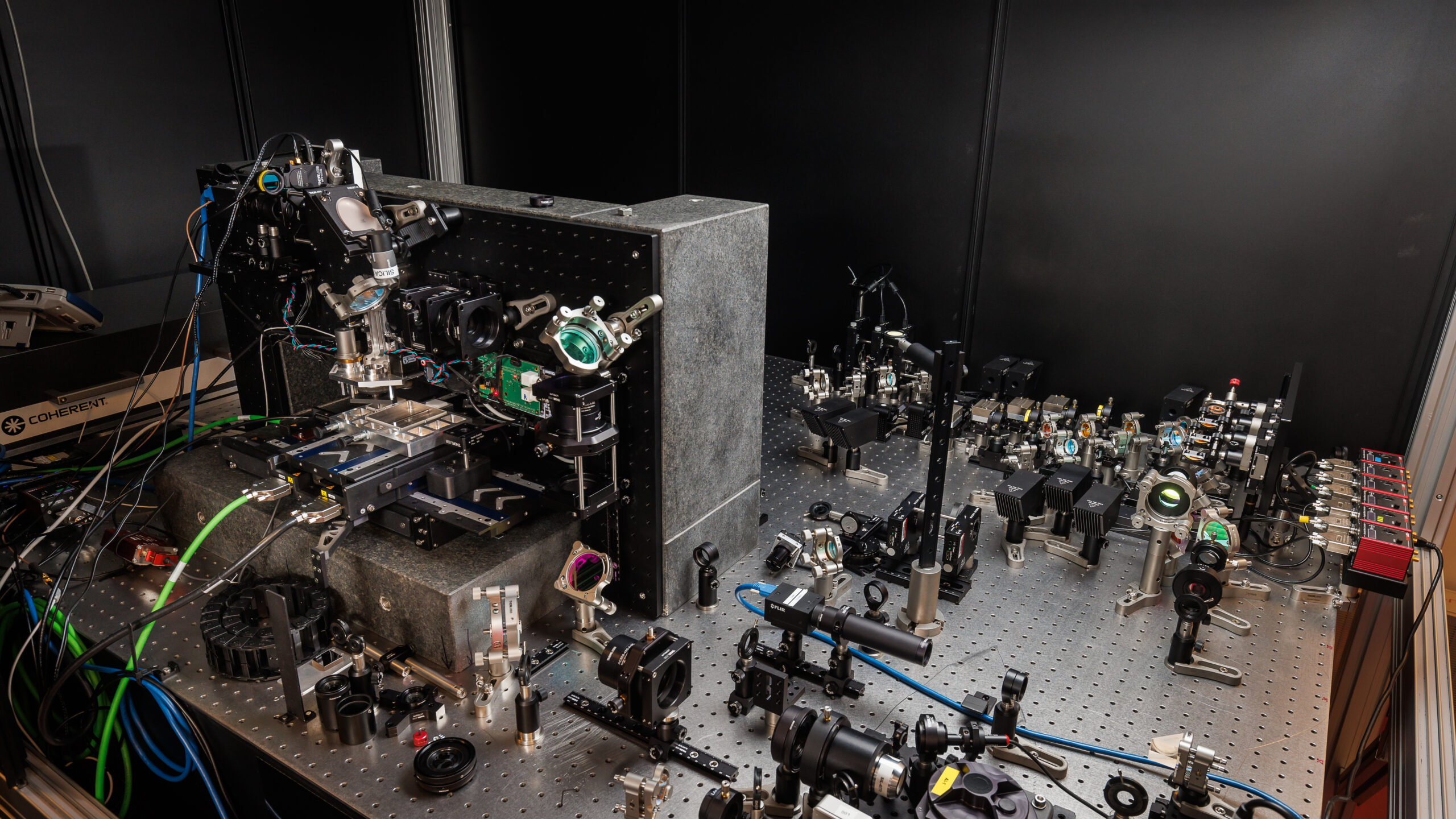
💡10k-year glass storage revolutionizes AI data hoarding and long-term model preservation
⚡ 30-Second TL;DR
What Changed
Glass medium for 10,000-year data storage
Why It Matters
Enables cost-effective, durable archival for massive AI datasets and models. Reduces reliance on tape or cloud for cold storage in AI infrastructure.
What To Do Next
Review Microsoft Research papers on femtosecond laser glass etching for AI archival prototypes.
Key Points
- •Glass medium for 10,000-year data storage
- •Data etched using femtosecond lasers
- •Designed for exceptional stability
- •Developed by Microsoft Research
🧠 Deep Insight
Background and context from public sources — not the original article. 2 sources cited.
🔑 Enhanced Key Takeaways
- •Microsoft Research's Project Silica uses femtosecond lasers to etch data into glass, enabling storage durable for 10,000 years due to resistance to water, heat, and dust.[1]
- •Breakthrough published in Nature extends technology from expensive fused silica to affordable borosilicate glass, like kitchen cookware.[1]
- •Innovations include hundreds of data layers in 2mm-thick glass, faster parallel writing with phase voxel method using single laser pulses, and simplified manufacturing.[1]
- •Reading simplified to one camera instead of three or four, reducing cost, size, and complexity.[1]
- •Addresses limitations of magnetic tapes and hard drives, which degrade within decades, for long-term archival needs.[1]
🛠️ Technical Deep Dive
- •Femtosecond laser pulses etch data inside glass, creating nanostructures for durable, immutable storage.[1]
- •New phase voxel method uses a single laser pulse per voxel, enabling faster parallel writing and reduced complexity.[1]
- •Stores hundreds of layers in 2mm-thick borosilicate glass.[1]
- •Reader uses one camera (down from three or four), simplifying hardware and lowering costs.[1]
- •Writing devices have fewer parts, easier calibration, and quicker data encoding.[1]
🔮 Future ImplicationsAI analysis grounded in cited sources
Project Silica advances long-term archival storage for datacenters and archivists, potentially replacing degrading media like tapes and drives with cost-effective, stable glass-based solutions that last millennia, enabling parallel writing and simplified hardware for broader adoption.[1]
⏳ Timeline
📎 Sources (2)
Factual claims are grounded in the sources below. Forward-looking analysis is AI-generated interpretation.
Weekly AI Recap
Read this week's curated digest of top AI events →
👉Related Updates
AI-curated news aggregator. All content rights belong to original publishers.
Original source: Ars Technica ↗
This is a summary, not the original. Read the source, or get the weekly briefing.
Weekly AI briefing
One email a week. Unsubscribe anytime.