Microsoft Pivots to Sell Copilot on Wall Street Advice
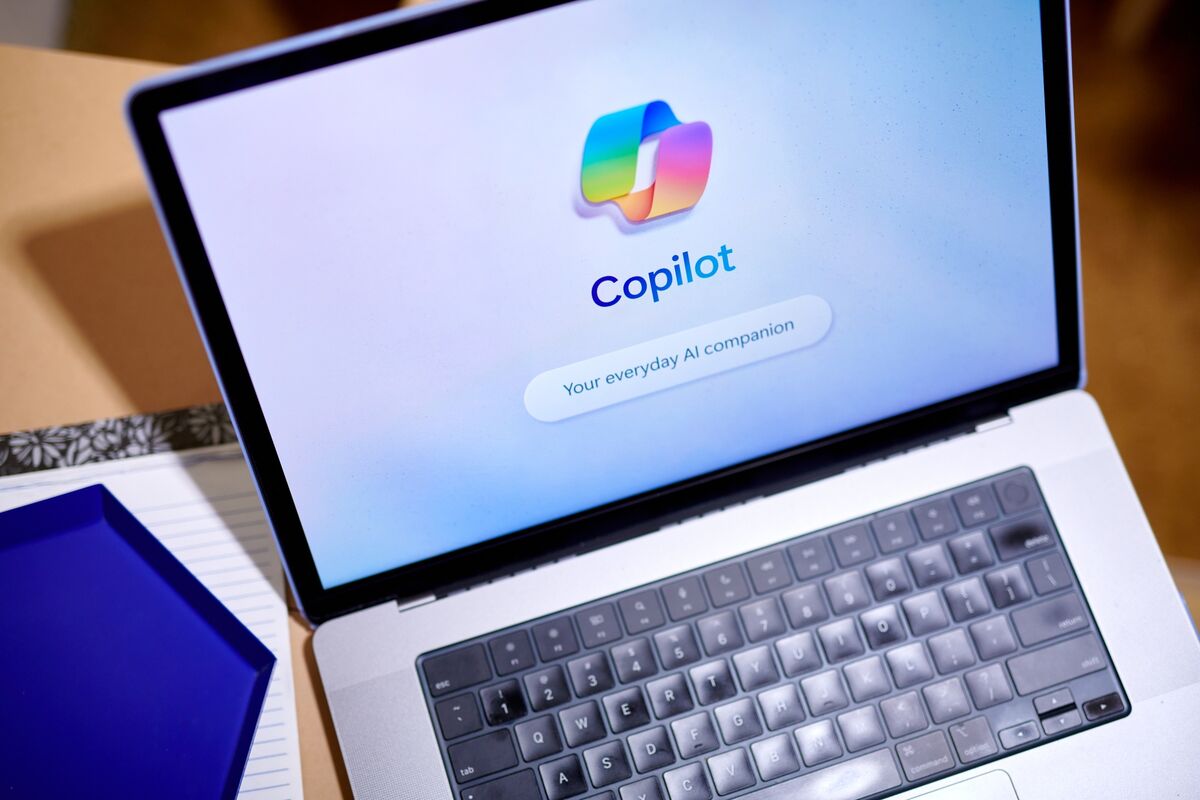
💡Microsoft's Copilot sales pivot hits goals—insights on AI monetization shift.
⚡ 30-Second TL;DR
What Changed
Microsoft pivoted Copilot from free bundle to direct sales
Why It Matters
This demonstrates investor pressure to monetize AI tools aggressively. It signals a broader trend in AI pricing strategies among big tech. Enterprises may see new paid Copilot options impacting budgets.
What To Do Next
Evaluate Copilot standalone licensing for enterprise AI productivity tools.
Key Points
- •Microsoft pivoted Copilot from free bundle to direct sales
- •Strategy change driven by Wall Street investor input
- •Company successfully hit 'audacious' Copilot adoption goals
🧠 Deep Insight
AI-generated analysis for this event — not the original article.
🔑 Enhanced Key Takeaways
- •The shift to a direct-sales model for Copilot was specifically designed to improve Microsoft's operating margins, which had been pressured by the high compute costs associated with scaling AI infrastructure.
- •Wall Street analysts had expressed concerns regarding the 'return on investment' for Microsoft's massive capital expenditure in Azure AI data centers, prompting the company to prioritize revenue-generating subscriptions over user-acquisition bundling.
- •Microsoft implemented a tiered pricing strategy for Copilot, moving away from a 'one-size-fits-all' approach to capture higher average revenue per user (ARPU) from enterprise clients requiring advanced security and compliance features.
📊 Competitor Analysis▸ Show
| Feature | Microsoft Copilot | Google Gemini for Workspace | Salesforce Einstein |
|---|---|---|---|
| Primary Focus | Productivity/Office Integration | Search/Cloud Ecosystem | CRM/Sales Automation |
| Pricing Model | Per-user subscription (Tiered) | Per-user subscription | Per-user/Usage-based |
| Key Benchmark | High integration with M365 | Strong Google Workspace synergy | Deep CRM data context |
🛠️ Technical Deep Dive
- •Copilot utilizes a multi-modal architecture leveraging OpenAI's GPT-4o and o1-series models, optimized via Microsoft's proprietary 'Grounding' technique.
- •The system employs Retrieval-Augmented Generation (RAG) to connect LLMs with enterprise data stored in Microsoft Graph, ensuring responses are contextually relevant to specific user permissions.
- •Infrastructure relies on custom-built Azure Maia AI accelerators to reduce inference latency and lower the cost-per-token compared to standard GPU clusters.
- •Security architecture includes 'Content Safety' filters and 'Data Boundary' enforcement to prevent cross-tenant data leakage during model training or inference.
🔮 Future ImplicationsAI analysis grounded in cited sources
⏳ Timeline
Weekly AI Recap
Read this week's curated digest of top AI events →
👉Related Updates
AI-curated news aggregator. All content rights belong to original publishers.
Original source: Bloomberg Technology ↗
This is a summary, not the original. Read the source, or get the weekly briefing.
The weekly digest
One email a week. Unsubscribe anytime.