Microsoft Limits Windows 10 Feature Updates
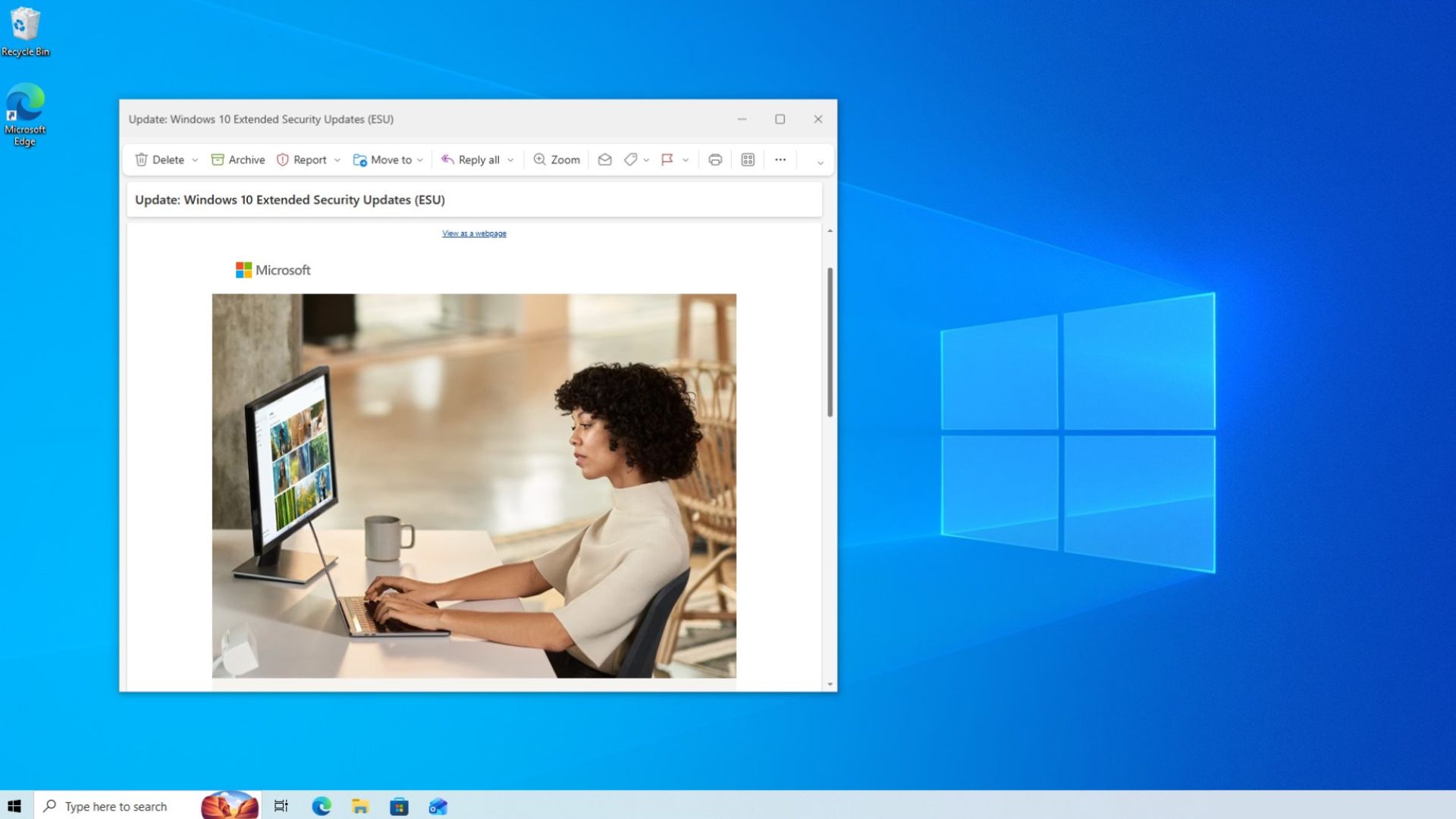
💡Windows 10 support changes could affect Microsoft-based AI development and automation environments.
⚡ 30-Second TL;DR
What Changed
The final major Microsoft 365 feature update for Windows 10 is scheduled for August.
Why It Matters
AI teams running Microsoft-based development, automation, or productivity workflows may face a growing gap between Windows 10 and newer platform capabilities. Migration planning will become more important for maintaining access to current Microsoft tooling.
What To Do Next
Inventory your AI development machines and test critical Microsoft 365, OneDrive, and automation workflows on Windows 11 before the August cutoff.
Key Points
- •The final major Microsoft 365 feature update for Windows 10 is scheduled for August.
- •Office applications will continue receiving security maintenance after feature updates end.
- •The policy increases pressure on organizations and developers to migrate Windows 10 environments to Windows 11.
🧠 Deep Insight
AI-generated analysis for this event.
🔑 Enhanced Key Takeaways
- •This policy change aligns with the broader Windows 10 end-of-support lifecycle, which is officially scheduled to conclude on October 14, 2025.
- •Microsoft is incentivizing the Extended Security Update (ESU) program for enterprise and individual users who remain on Windows 10 beyond the final support date.
- •The cessation of feature updates for Microsoft 365 on Windows 10 is part of a strategic effort to reduce the technical debt associated with maintaining legacy OS compatibility for modern cloud-connected apps.
- •Hardware requirements for Windows 11, specifically the TPM 2.0 and CPU generation restrictions, remain a primary friction point for organizations unable to migrate despite the end of feature updates.
- •Microsoft has confirmed that while feature updates cease, the underlying Microsoft 365 apps will remain functional and receive critical security patches until the OS reaches its absolute end-of-life.
🛠️ Technical Deep Dive
- Microsoft 365 apps on Windows 10 will be pinned to a specific version or build, preventing the installation of newer feature-rich updates delivered via the Click-to-Run (C2R) service.
- Security maintenance will continue to be delivered through the standard Microsoft Update channel, ensuring that CVEs (Common Vulnerabilities and Exposures) are addressed without altering the application feature set.
- The transition involves a shift in the update channel architecture, where Windows 10 clients will effectively be moved to a 'frozen' state for feature releases while maintaining a 'dynamic' state for security definitions.
🔮 Future ImplicationsAI analysis grounded in cited sources
⏳ Timeline
Weekly AI Recap
Read this week's curated digest of top AI events →
👉Related Updates



AI-curated news aggregator. All content rights belong to original publishers.
Original source: cnBeta (Full RSS) ↗