Microsoft Adds Passkey Support to Entra ID
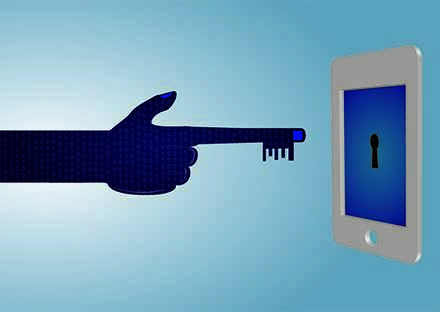
💡Entra ID passkeys in preview: secure Azure AI apps with passwordless auth now.
⚡ 30-Second TL;DR
What Changed
Passkey authentication now supported in Entra ID
Why It Matters
This bolsters enterprise security with passwordless options, reducing phishing risks for Microsoft cloud users. AI practitioners building on Azure can adopt it to secure access to AI services and apps.
What To Do Next
Enable passkeys in your Entra ID tenant public preview to test secure auth for Azure AI apps.
Key Points
- •Passkey authentication now supported in Entra ID
- •Public preview available immediately for testing
- •General rollout scheduled for later this year
🧠 Deep Insight
Background and context from public sources — not the original article. 9 sources cited.
🔑 Enhanced Key Takeaways
- •Passkey profiles are replacing the legacy FIDO2 configuration model, enabling administrators to create multiple profiles with granular group-based controls rather than applying settings tenant-wide[1][2]
- •Microsoft is automatically enabling passkey profiles for all Entra ID tenants starting in March 2026, with mandatory migration for non-compliant tenants by late May 2026[1][2]
- •Synced passkeys—stored in cloud providers like Apple iCloud Keychain and Google Password Manager—are now reaching General Availability, enabling users to sign in from any device without re-registration and achieving 14x faster authentication than password+MFA (3 seconds vs 69 seconds)[1][4]
- •Organizations must implement Authentication Strength policies and Conditional Access rules to enforce passkey adoption, as the default migration may not align with security requirements[5]
- •Source of Authority conversion is now generally available, allowing administrators to convert synced on-premises users to cloud-managed identities without legacy infrastructure dependencies[2]
🛠️ Technical Deep Dive
- •Device-Bound vs. Synced Passkeys: Device-bound passkeys store the private key locally on a single device (FIDO2 security keys or Microsoft Authenticator); synced passkeys encrypt the private key via HSM and store it in cloud providers, enabling cross-device access[1][4]
- •Attestation Enforcement: When enabled at the passkey profile level, attestation verifies passkey legitimacy through Apple and Google services; however, attestation excludes synced passkeys and only permits device-bound credentials[4][6]
- •Sign-In Flow: Microsoft Entra ID sends a cryptographic challenge (nonce) to the authenticator, which locates the key pair using hashed RP ID and credential ID, performs biometric/PIN verification, signs the challenge with the private key, and returns the signature for verification[4]
- •Registration Success Metrics: 99% of users successfully register synced passkeys; 95% sign-in success rate with synced passkeys vs. 30% with legacy authentication methods[4]
- •Conditional Access Integration: Passkey enforcement requires the built-in 'Phishing-resistant MFA' authentication strength, which supports Windows Hello, certificate-based authentication, and Passkey/FIDO2 but excludes Temporary Access Pass (TAP) for sign-in[5]
🔮 Future ImplicationsAI analysis grounded in cited sources
⏳ Timeline
📎 Sources (9)
Factual claims are grounded in the sources below. Forward-looking analysis is AI-generated interpretation.
- lazyadmin.nl — Auto Enabled Passkey Profiles in March 2026
- entra.news — Microsoft Is Auto Enabling Passkeys
- youtube.com — Watch
- learn.microsoft.com — Concept Authentication Passkeys Fido2
- agderinthe.cloud — Passkey Onboarding in Entra What Microsoft Doesnt Tell You
- learn.microsoft.com — How to Enable Authenticator Passkey
- neowin.net — Microsoft Entra Id to Auto Enable Passkey Profiles and Synced Passkeys in March 2026
- learn.microsoft.com — Concept Fido2 Compatibility
- ignite.microsoft.com — Thr745
Weekly AI Recap
Read this week's curated digest of top AI events →
👉Related Updates



AI-curated news aggregator. All content rights belong to original publishers.
Original source: iTNews Australia ↗
This is a summary, not the original. Read the source, or get the weekly briefing.
Weekly AI briefing
One email a week. Unsubscribe anytime.