Meta's AI Age Assurance for Teens
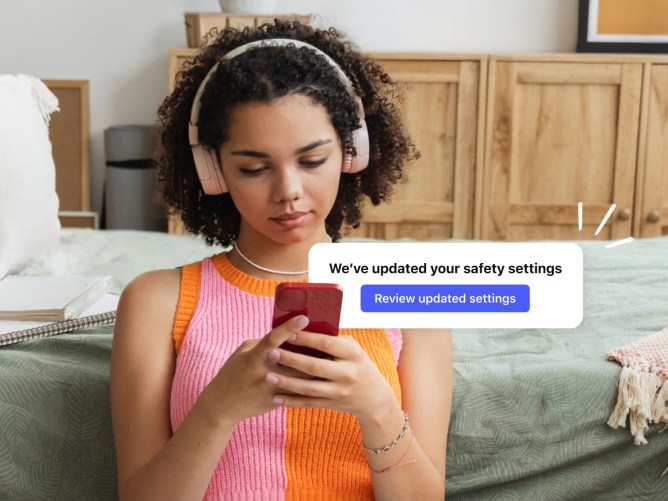
💡Meta's AI auto-places teens in safe zones—blueprint for AI safety in social apps
⚡ 30-Second TL;DR
What Changed
Introduces AI for accurate age assurance
Why It Matters
Meta's AI initiative may influence industry standards for child safety online, pushing competitors to adopt similar tech. It highlights AI's role in proactive moderation, potentially reducing regulatory pressures on platforms.
What To Do Next
Integrate similar AI age detection into your app's moderation pipeline using open-source facial analysis libraries like DeepFace.
Key Points
- •Introduces AI for accurate age assurance
- •Places teens in tailored, safe experiences
- •Strengthens overall underage enforcement measures
🧠 Deep Insight
AI-generated analysis for this event.
🔑 Enhanced Key Takeaways
- •Meta is utilizing 'age-prediction' machine learning models that analyze user behavior patterns, such as account creation date, follower lists, and interaction history, to estimate age rather than relying solely on self-reported data.
- •The system integrates with Meta's existing 'Age Verification' tools, which include video selfie uploads analyzed by third-party partner Yoti to estimate age via facial geometry analysis.
- •These measures are part of Meta's broader compliance strategy to address increasing regulatory pressure from the EU's Digital Services Act (DSA) and various US state-level child safety legislation.
📊 Competitor Analysis▸ Show
| Feature | Meta (Age Assurance) | TikTok (Age Gate) | Snap (Age Verification) |
|---|---|---|---|
| Primary Method | Behavioral ML + Video Selfie | Self-declaration + ML flagging | Self-declaration + Account history |
| Third-Party Partner | Yoti | Internal ML / Third-party | Internal heuristics |
| Enforcement | Restricted content/messaging | Account suspension/shadowban | Feature gating (e.g., My AI) |
🛠️ Technical Deep Dive
• Model Architecture: Employs a multi-modal approach combining behavioral metadata (graph analysis of social connections) and computer vision for facial age estimation. • Facial Analysis: Uses Yoti’s privacy-preserving AI, which processes images locally or via secure API to estimate age without storing the actual image or identifying the user. • Behavioral Heuristics: The system flags discrepancies between self-reported birthdates and behavioral signals (e.g., language usage, interest clusters, and interaction frequency with known age-verified accounts).
🔮 Future ImplicationsAI analysis grounded in cited sources
⏳ Timeline
📰 Event Coverage
Weekly AI Recap
Read this week's curated digest of top AI events →
👉Related Updates
AI-curated news aggregator. All content rights belong to original publishers.
Original source: Meta Newsroom ↗