Meta Signs for Tens of Millions of Graviton 5 Cores
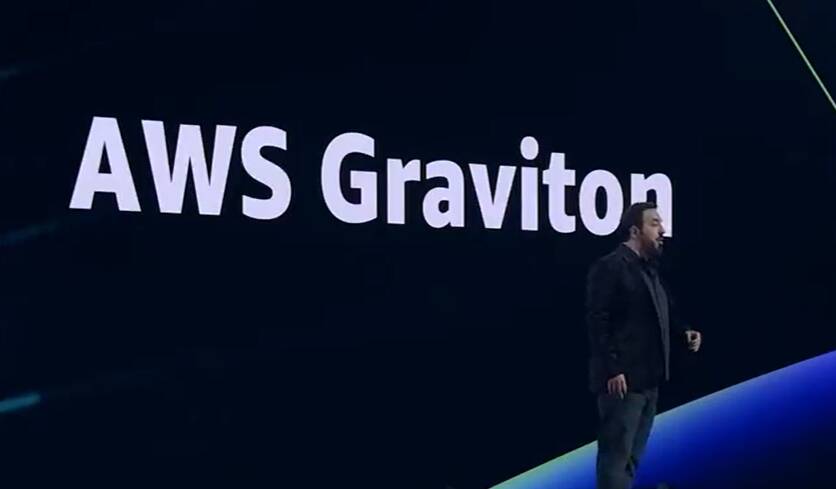
💡Meta's huge Graviton bet signals Arm's rise in AI cloud infra
⚡ 30-Second TL;DR
What Changed
Meta to deploy tens of millions of Graviton 5 cores
Why It Matters
This massive commitment underscores Arm-based CPUs' efficiency for AI workloads at scale. It may pressure competitors to optimize for Graviton, lowering costs for AI practitioners using AWS.
What To Do Next
Benchmark AWS Graviton5 instances against x86 for your AI training workloads.
Key Points
- •Meta to deploy tens of millions of Graviton 5 cores
- •Multi-year collaboration with AWS
- •Becomes largest-ever AWS silicon consumer
- •Shift from Metaverse to Neoverse embrace
🧠 Deep Insight
AI-generated analysis for this event — not the original article.
🔑 Enhanced Key Takeaways
- •The Graviton 5 architecture utilizes TSMC's 2nm process node, marking a significant leap in power efficiency and transistor density compared to the 3nm Graviton 4.
- •Meta's massive deployment is specifically targeted at offloading inference workloads for its Llama 4 and subsequent large language models, aiming to reduce reliance on expensive GPU clusters for non-training tasks.
- •This deal represents a strategic shift in Meta's infrastructure spending, prioritizing custom silicon partnerships over building out proprietary, in-house data center CPU designs.
📊 Competitor Analysis▸ Show
| Feature | AWS Graviton 5 | Google Axion | Microsoft Cobalt 100 |
|---|---|---|---|
| Architecture | Arm Neoverse (Custom) | Arm Neoverse V2 | Arm Neoverse CSS |
| Process Node | 2nm | 3nm | 5nm |
| Primary Use Case | General Purpose/AI Inference | Cloud-native/Data Analytics | General Purpose/Cloud Services |
| Availability | AWS Cloud | Google Cloud | Azure Cloud |
🛠️ Technical Deep Dive
- •Graviton 5 features a redesigned memory controller supporting HBM3e, significantly increasing memory bandwidth for memory-bound AI inference tasks.
- •The chip incorporates enhanced Matrix Multiply Engine (MME) units specifically tuned for FP8 and INT8 precision, optimizing performance for Transformer-based model architectures.
- •Implementation utilizes a chiplet-based design to improve yield and allow for modular scaling of core counts across different instance types.
- •Enhanced security features include hardware-based memory encryption and improved side-channel attack mitigation at the silicon level.
🔮 Future ImplicationsAI analysis grounded in cited sources
⏳ Timeline
📰 Event Coverage
Weekly AI Recap
Read this week's curated digest of top AI events →
👉Related Updates
AI-curated news aggregator. All content rights belong to original publishers.
Original source: The Register - AI/ML ↗
This is a summary, not the original. Read the source, or get the weekly briefing.
The weekly digest
One email a week. Unsubscribe anytime.